
Striving to remove barriers that prevent us from building Vibrant, Diverse, Inclusive, Accessible Communities!
People with Disabilities in the United Kingdom face systemic, recurring failures in public transportation and physical infrastructure that deny them access to ordinary life. A wheelchair user who had pre-arranged rail assistance to attend the United Kingdom's largest annual disability conference arrived at the platform to find that assistance was absent, leaving her to contend with closing train doors and no support. She noted that People with Disabilities grow accustomed to this kind of failure because it happens so reliably. The government has directed its public messaging on disability primarily toward fraud concerns rather than toward the barriers to full participation that People with Disabilities navigate every day.
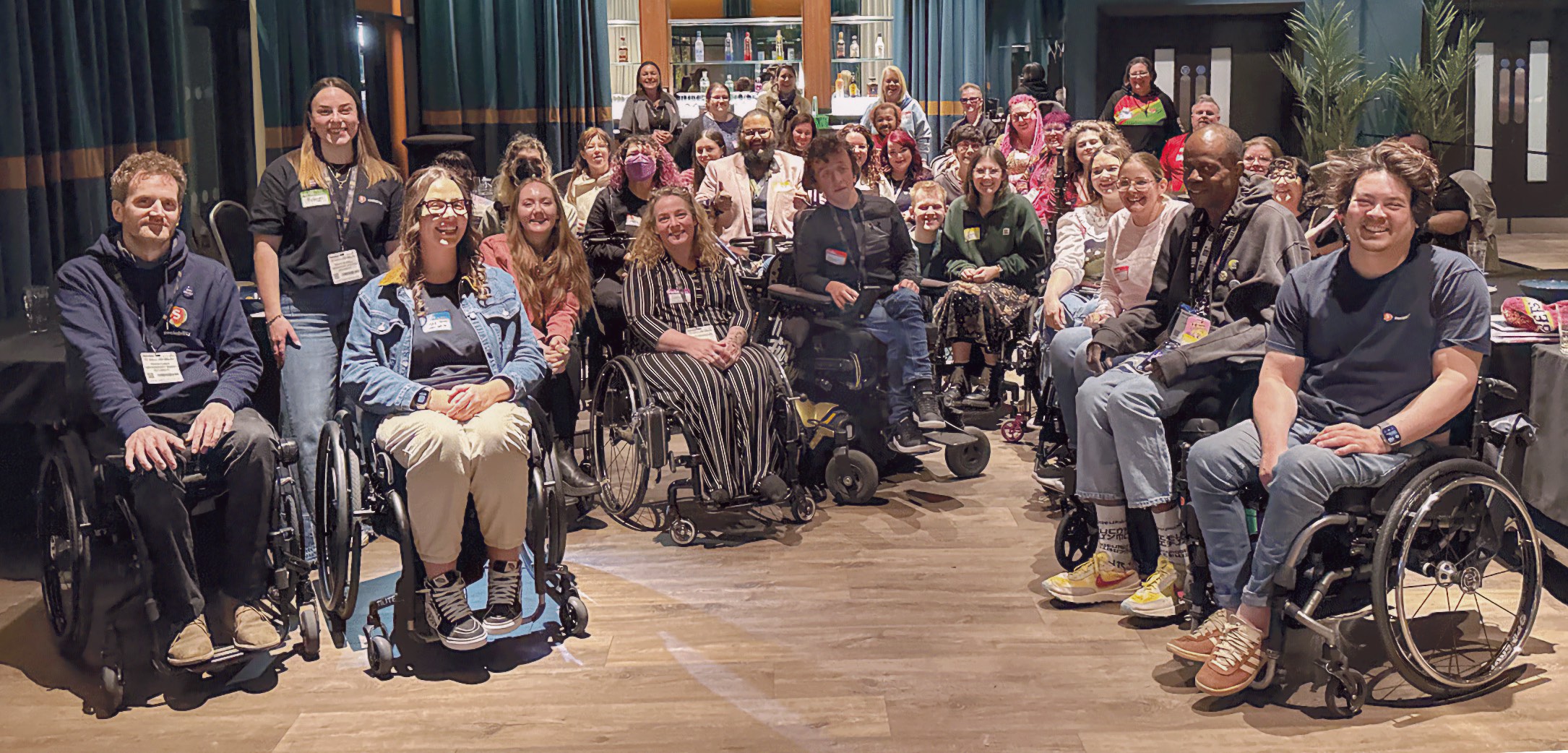
The Sociability app operates as a navigation tool for People with Disabilities, providing detailed accessibility information about cafes, bars, restaurants, and other venues. Users access data on accessible toilet facilities, noise levels, and lighting so they can plan visits with confidence rather than uncertainty, with real-time updates and filters tailored to different access needs. More than 100,000 individuals accessed the platform at no cost over the course of a single year. Its founder had a spinal cord injury at age 15 and, after working as a lawyer, pursued further study at Oxford University, where the absence of fully accessible colleges was a direct source of inspiration for the app. The platform has also built a social community for People with Disabilities who have long been locked out of the social gatherings that others take for granted, organizing the only social event connected to the United Kingdom's largest annual disability conference.
Physical access failures are not the only barrier People with Disabilities face; the attitudes of people without disabilities often cause harm that eclipses any structural obstacle. A trained first aider described a colleague who declined his assistance for no reason other than that he uses a wheelchair, a direct example of how deeply ingrained assumptions about capability can run. A wheelchair user was told by a rail worker that people in her situation deserved to have fun, a remark that treated her enjoyment as a remarkable exception rather than an ordinary right. For many People with Disabilities, this daily exposure to condescension and dismissal weighs on them far more than physical barriers, as People with Disabilities who live with both make clear.
The path to genuine inclusion for People with Disabilities requires action on two fronts. The first is building accessible infrastructure and pushing governments to prioritize the access rights of People with Disabilities rather than directing public attention toward fraud concerns. The second, and harder, front is attitudinal: it requires people without disabilities to actively begin listening to People with Disabilities. People with Disabilities are highly capable, adaptable problem solvers whose strengths serve them well across a wide range of careers, yet this is persistently disregarded by a society that continues to underestimate them. As the app's founder noted, disability is unique among minority statuses in that any person without one today might find themselves with one at any point, which is why the removal of barriers as a shared responsibility rather than an act of charity is the obligation every Community Builder must own.
Read the Full Article: How the Sociability app puts accessibility on the map to help disabled people break down barriers.
By: Josh Sandiford
