
Striving to remove barriers that prevent us from building Vibrant, Diverse, Inclusive, Accessible Communities!
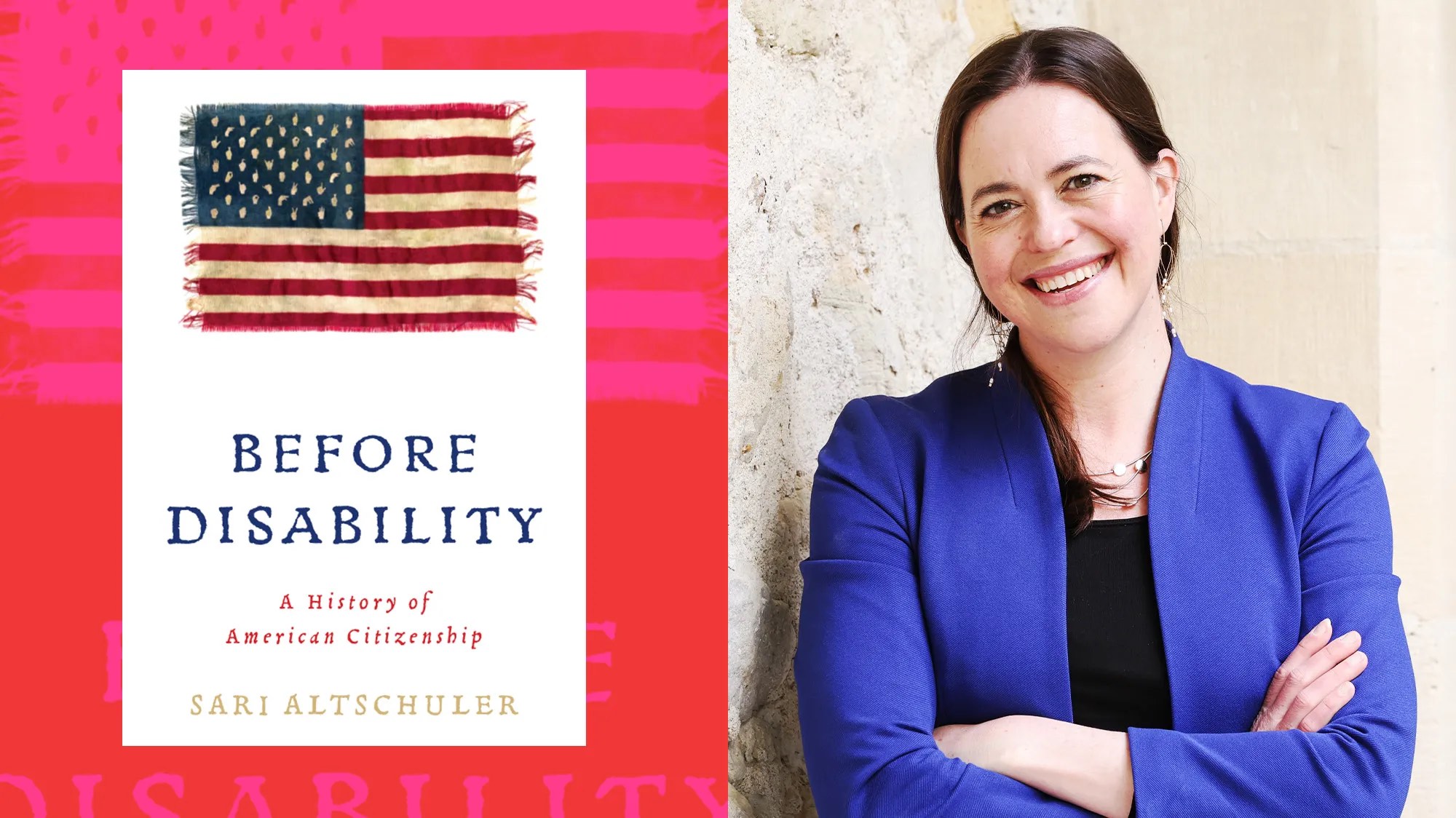
A newly published book turns attention to a chapter of United States history that most readers have never considered: how the rights and ideas born from the American Revolution offered some white People with Disabilities an early place within citizenship, before that same framing was turned into a tool of racial exclusion. Northeastern University professor Sari Altschuler shows that disability and citizenship have been intertwined since the nation's founding, long before the disability rights movements of the twentieth century. One of her central findings is that the harmful linking of race and disability was never inevitable. In the early decades of the republic, mental and physical differences were largely understood as situational and changeable, but over time they were recast as fixed and biological conditions that marked entire groups as unfit, a shift driven by deliberate choices rather than by nature.
Government data has at times been turned into a weapon against Black Americans. In 1840, a national population count falsely suggested that Black Americans living in freedom had far higher rates of deafness and mental or cognitive disabilities than those still enslaved in the South, and supporters of slavery seized on those numbers as proof that freedom itself caused disability and that Black Americans were unfit for citizenship. People at the time knew the figures were false. The same data even placed Black Deaf residents in towns that had no Black population at all. Despite public objections raised when the count appeared, the flawed record was never corrected, leaving a fabricated link between Blackness and disability embedded in the official record of the nation.
Disability advocacy itself has not always been free of racial exclusion. In the 1850s, a Deaf graduate of the nation's first school for Deaf students proposed founding an entirely separate state in the American West reserved exclusively for white Deaf citizens, insisting that Deaf Americans could never reach full citizenship within existing states. His vision offered no place at all for Black Deaf People, enslaved or free. The very school that taught him told a different story, since it enrolled both Black and white students for decades, interrupted only when one state temporarily barred Black students from beyond its borders. This history exposes how some advocates pursued inclusion for themselves while leaving Black Deaf People outside the community they were building, a pattern that still demands vigilance whenever a push for inclusion narrows rather than widens who belongs.
Recognition for People with Disabilities in this era was never distributed evenly. Just weeks after independence was declared, the new nation committed to providing financial support to veterans with disabilities, a group whose sacrifice was treated as a symbol of patriotism worth honoring in public. Yet that same support was reserved overwhelmingly for white men, while Blind, Deaf, and other Americans with Disabilities outside the military received no comparable support or resources, even as more Blind Americans could read and write than ever before. By 1840 the very veterans once celebrated for their sacrifice were being scrutinized for suspected fraud rather than supported. This uneven history is a reminder that inclusion for People with Disabilities cannot be left to chance or reserved for a favored few. It must be embraced as a shared responsibility, owned personally by every Community Builder and carried out together rather than offered as charity at our convenience.
Read the Full Article: How Disability Shaped American Citizenship.
By: Julia Métraux
