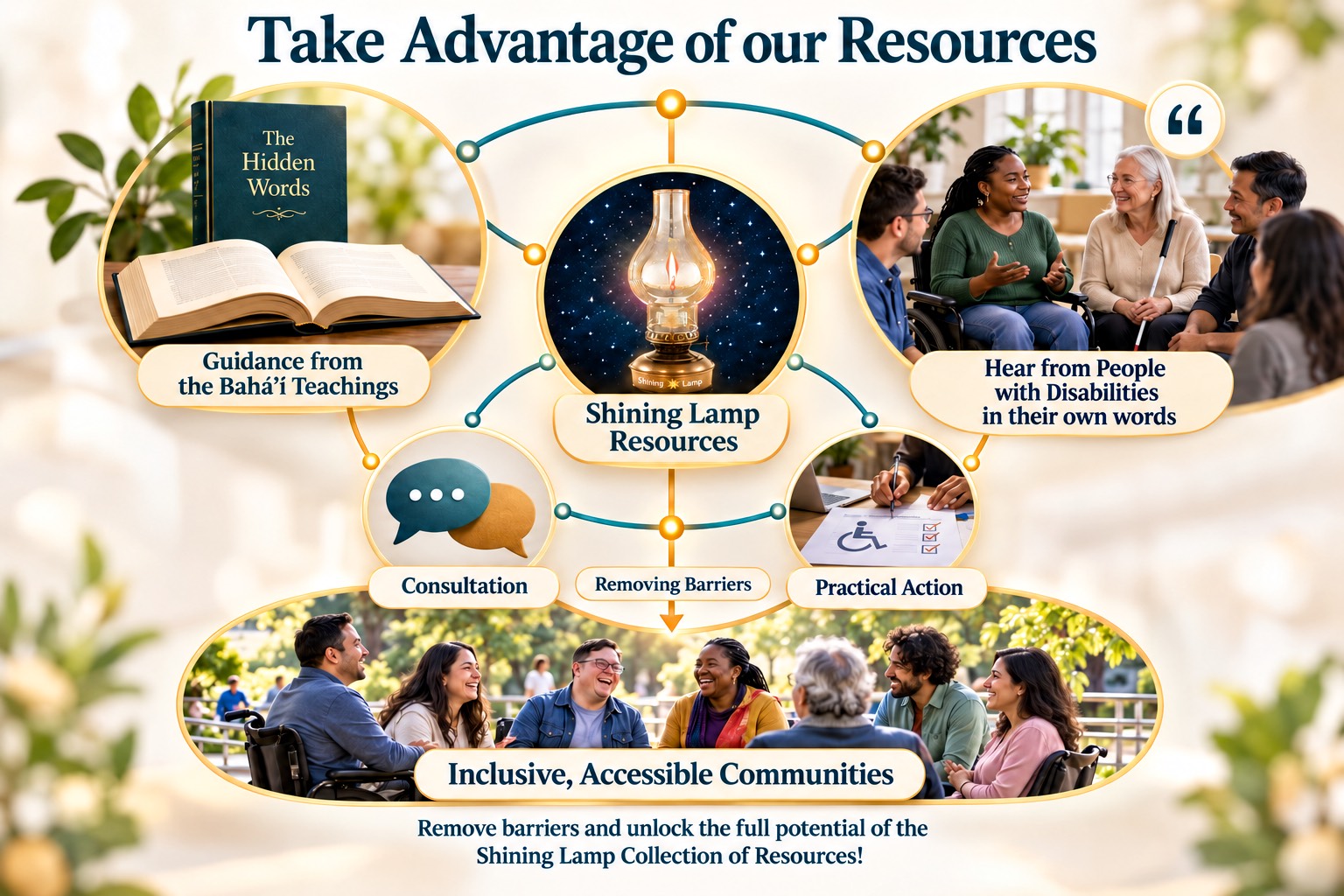
Network graphic connects Bahá’í teachings and people with disabilities speaking in their own words through Shining Lamp Resources. Linked nodes show consultation and practical action toward removing barriers, leading to a diverse group, including wheelchair users, participating together in an inclusive, accessible community.

Resources starting with A

How to find a resource

  • Choose a letter or number to see resources that start with it. The number beside each shows how many there are. Resources starting with A show first.
  • Dimmed letters and numbers have no resources yet.
  • Prefer a keyword? Use the search box above.
  • Use List View for titles only, or Summary View for an image and summary of each resource.
  • Use the page links below the results to see more.
  • (1)
  • # (1)
  • ' (1)
  • 1 (4)
  • 2 (1)
  • 3 (3)
  • 4 (2)
  • 5 (5)
  • 8 (1)
  • A (37)
  • B (23)
  • C (18)
  • D (19)
  • E (7)
  • F (14)
  • G (7)
  • H (23)
  • I (31)
  • J (3)
  • K (1)
  • L (9)
  • M (18)
  • N (9)
  • O (8)
  • P (9)
  • R (11)
  • S (18)
  • T (35)
  • U (2)
  • W (31)
  • Y (2)
  • “ (1)
  • Accessibility Works When We Stop Treating Disability As Defect with Daniel Hodges

    Daniel Hodges, a Blind nonprofit leader and advocate, is specific: the barriers Blind People face come from inaccessible materials, stigma, and ongoing demands to prove competence. Not from blindness itself. Growing up Blind in rural America, the attention and resources around him went toward hoped for cures and medical procedures rather than Braille, white cane training, or access technology. His Pieces of Me Foundation tackles this through disability education, organized professional training, and access to resources that work to dismantle misconceptions, and the Access Opportunity Tour delivers Zoom based real time guidance for leaders making workplaces, churches, nonprofits, and websites fully accessible. Building fully accessible and inclusive communities for Blind People and People with Disabilities is a personal and collective obligation owned by each of us. Hit play and hear Daniel Hodges speak for himself.

  • Accessible Forms

    If you are creating any kind of document that uses one or more forms to collect information, it is critical that you follow the International Accessibility Standards when creating your forms. Some important considerations are: Labeling Controls Grouping Controls Form Instructions Validating Input User Notifications Multi-Page Forms Custom Controls Time Limits Avoiding CAPTCHA Here are some of the top resources for creating Accessible Forms that will help you learn how to handle each of these things correctly so that they will be Accessible: WCAG International Accessibility Standards Forms…

  • A custom-made stander that centers comfort, adjustability, and everyday dignity—an example of human-centered adaptive design featured in the exhibition.

    ADAPT/EVOLVE Artists and Work

    The exhibition presents a cross-disciplinary exploration of adaptive and inclusive design, gathering work from faculty, students, alumni, and invited collaborators at the Art and Design Gallery. It frames design as care—craft that responds to real needs through co-creation and practical problem-solving grounded in inclusive design principles. Visitors encounter a wide range of objects and projects, from bespoke mobility aids and wearables to furniture and social practice installations. The page highlights how many pieces are developed with end-users from the start, echoing design-with-not-for…

  • Adults with Disabilities: Ethnicity and Race

    from: The Centers for Disease Control and Prevention - Adults with Disabilities: Ethnicity and Race The Centers for Disease Control and Prevention have highlighted significant health disparities among people with disabilities from various racial and ethnic groups. Non-white individuals with disabilities are affected at a higher rate than white individuals, as evident from the data. For instance, American Indian/Alaska Native has the highest rate of disability, with 3 in 10 adults having a disability, followed by Black, where 1 in 4 adults have a disability. Meanwhile, White has 1 in 5 adults…

  • Brittanie Hernandez-Wilson — photographed at Lake Merritt — remembers Alice Wong; the article gathers friends describing organizing, mentorship, public storytelling, and how they will continue the work.

    After Alice Wong’s Death, Her Friends Vow to Keep Fighting for Disability Justice

    Friends and collaborators remember Alice Wong and say they will keep fighting for disability justice; the story recounts organizing rooted in mentorship, public storytelling, and steady relationships among people with disabilities, including Brittanie Hernandez-Wilson reflecting at Lake Merritt on grief, love, and resolve to carry the work forward. The reporting includes the subhead “Centering the most marginalized” and names ableism as an everyday barrier; friends describe barriers in clinics, programs, and public spaces, and emphasize participation by people with disabilities as the point…

  • All Walks - Limiting cars in cities can help People with Disabilities, too.

    Failures to consider Accessibility in Community Development have far-reaching consequences for People with Disabilities, preventing their ability to participate in public spaces. Dani Izzie’s experience in Miami, where the lack of curb cuts blocked her access to public transit, highlights how even small oversights can have devastating impacts. These barriers erode autonomy and reinforce systemic discrimination, excluding People with Disabilities from vibrant and inclusive communities. Addressing such failures requires proactive efforts to integrate accessibility into Community planning.…

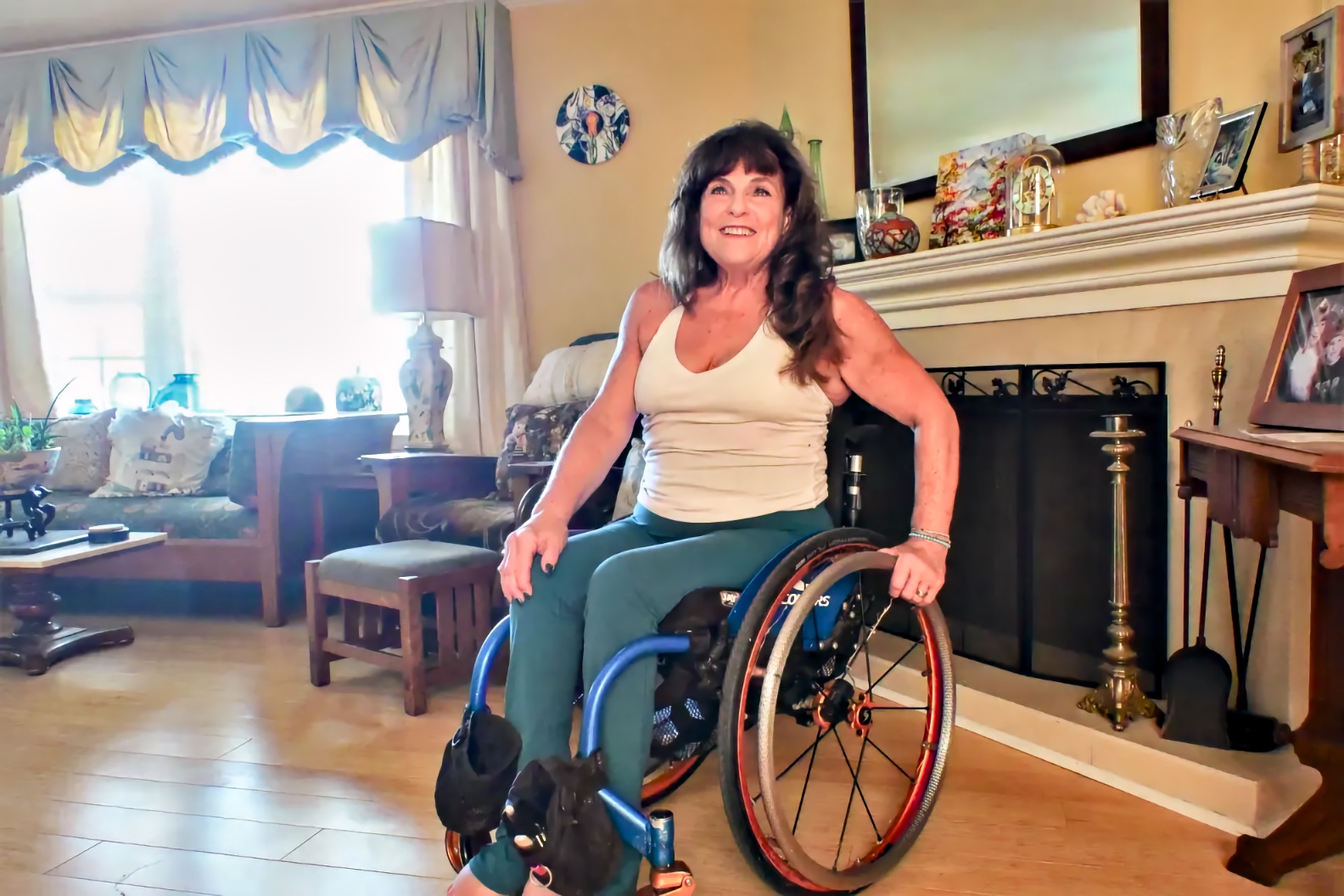
  • Julienne Dallara, who has built her life around advocating for People with Disabilities, at her Camarillo, California home on August 13, 2026. She woke up paralyzed from the waist down thirty years ago because of transverse myelitis, a rare neurological condition, and served as Ms. Wheelchair California in 2024.

    Always a way: Camarillo woman who woke up paralyzed advocates for others

    Thirty years after waking up paralyzed from the waist down because of transverse myelitis, a rare neurological condition, a Camarillo woman has built her life around advocating for People with Disabilities, propelling herself up the ramp at her own home, serving as Ms. Wheelchair California in 2024, and filling her garden with cherry tomatoes and the milkweed she planted hoping monarch butterflies would come, a full life she can live because her home was built to carry her, which is the standing question she puts to every gathering we plan, since the setup of a gathering decides who can take part in it long before anyone arrives.

  • American Sign Language (
ASL) Interpreters and Captioning Services

    If you are planning a Baha'i event or gathering and you are in need of an American Sign Language ( ASL) Interpreter or Captioning Services, the first thing to do is contact the Deaf and Hard of Hearing Task Force for the Baha’i community. This Task force was appointed by he National Spiritual Assembly of the Baha’is of the United States. The task force focuses on two groups. One is the Deaf community, members of which belong to a unique culture with a unique language—American Sign Language (ASL) in the United States. For many Deaf people, English is a second language, so ASL interpretation is…

  • Care and connection go together: a UC Health clinician listens to a patient’s heart, echoing the article’s call to design communities where people with developmental disabilities can belong and lead.

    America’s loneliness epidemic is even worse for people with disabilities

    The Surgeon General warns that loneliness harms health like heavy smoking, and for people with developmental disabilities it’s driven by systems—not personal shortcomings. The piece argues that Disability Doesn’t Have To Mean Isolation: segregation in housing, day programs, and service models keeps people apart, so the public task is to redesign for connection and belonging. Cincinnati shows the stakes: adults with developmental disabilities experience some of Ohio’s lowest employment and participation rates because our systems prize placement over purpose. Employers, funders, and agencies…

  • Anti-Ableism Fast Facts - Ways to Combat Ableism:

    In a community where diversity should be celebrated, it's crucial to correct the pervasive problem of ableism. Did you know that according to the 2012 U.S. Census, 1 in 5 Americans has a disability? This staggering statistic highlights the importance of understanding and combatting ableism, a set of beliefs and practices that devalue and discriminate against individuals with disabilities. Anti-Ableism isn't just a buzzword; it's a vital set of strategies, theories, and actions aimed at correcting and countering ableism. It encompasses a wide range of efforts to remove barriers, inequalities…

  • Security layers shown over a website interface, stressing the article’s warning that anti-scraping tactics can block access for users with disabilities.

    Anti-Scraping Tools Undermine Web Accessibility for Disabled Users

    Websites increasingly deploy anti-scraping techniques like dynamic loading to protect data from bots, but these “often block accessibility for users with disabilities by breaking compatibility with screen readers and assistive tools.” The article names this a “silent trade-off” that “erects barriers for human users relying on assistive technologies,” and presses for inclusive web design that balances protection and access. Concrete barriers are spelled out: “rendering text as images or using canvas elements” that screen readers cannot interpret; JavaScript-heavy patterns and dynamic loading…

  • Mixed-media works on view in Arapahoe Community College’s Shared Visions Exhibition, a multi-sensory show presented with the Colorado Center for the Blind. Photo: Isabel Guzman/Littleton Independent.

    Appreciating art beyond sight at the Shared Visions Exhibition

    Arapahoe Community College’s Shared Visions Exhibition, in partnership with the Colorado Center for the Blind (CCB), is the 11th annual multi-sensory show inviting visitors to engage through touch, sound, taste, and smell. Running until Dec. 3, with the gallery closed Nov. 24–30, it features a brightly knitted wall piece, bumpy, half-baked clay cups, music, jelly bean tasting, and a walk-in simulation of a night in the mountains in New York; this year’s gallery includes works from about 30 ACC art students and about 10 CCB artists.

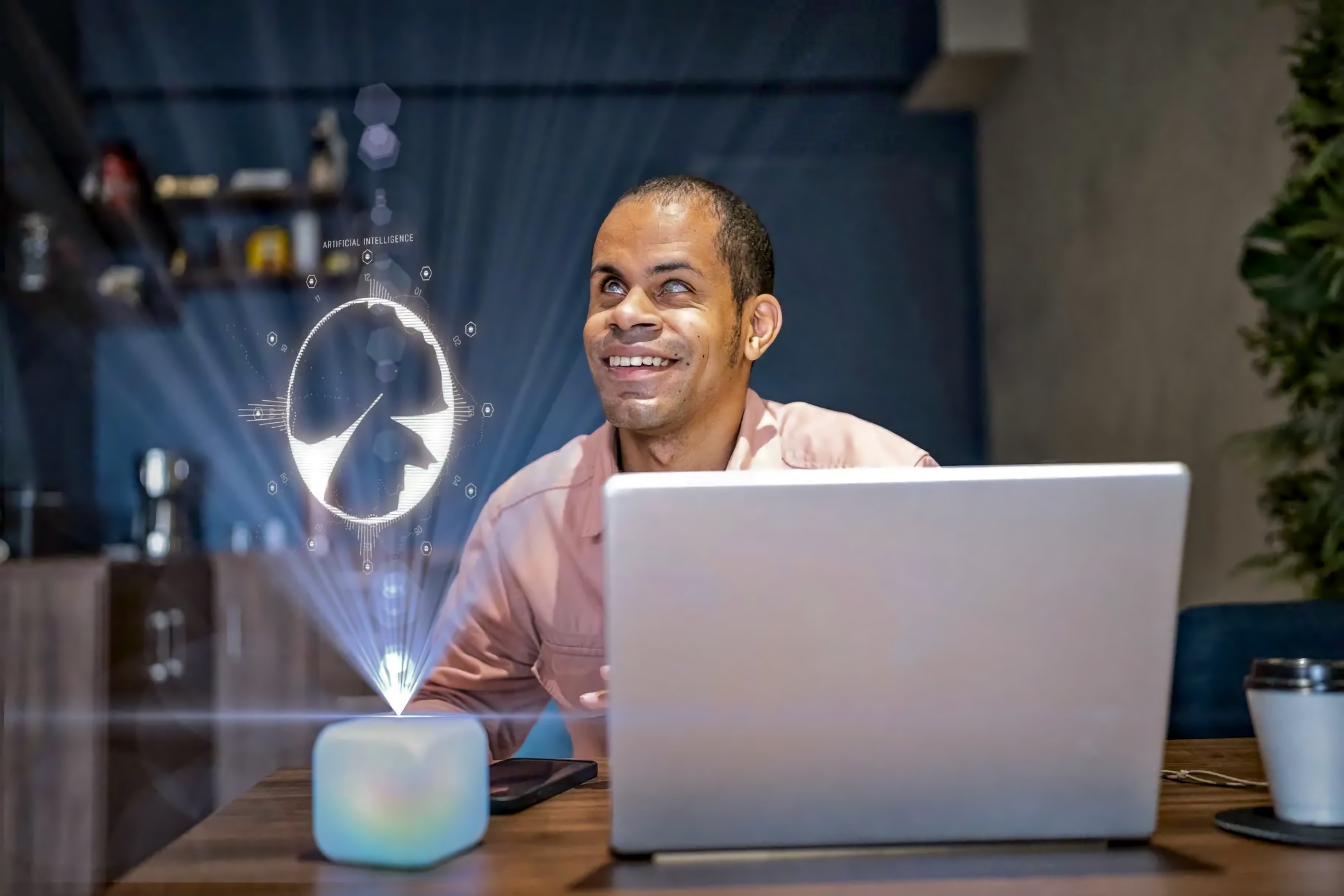
  • A Blind person at work with AI technology, representing the 1.3 billion People with Disabilities worldwide whose access to the digital future depends on whether AI companies build accessibility in by default.

    Artificial Intelligence Has One Chance To Get Accessibility Right

    Artificial intelligence is now writing a growing share of the world's production code, and the same failure to build in accessibility that excluded People with Disabilities from the digital web for three decades is being reproduced at far greater scale through a handful of foundation models whose defaults will shape millions of products simultaneously. Public benchmarking through AIMAC, the AI Model Accessibility Checker, has forced measurable improvement in some AI models, yet persistent failures including low contrast text on roughly 85 percent of AI generated pages show that accountability is not yet standard practice across the industry. When People with Disabilities hold genuine decision making authority from the start, as blind developers Taylor Arndt and Jeff Bishop demonstrated by building the Accessibility Agents project because AI tools kept producing interfaces they could not use, the products that result address real access barriers. Removing barriers so that People with Disabilities can participate fully as both creators and users of digital technology is the shared responsibility that defines this moment for every Community Builder.

  • Artificial Intelligence, History, and Blindness: Lessons and Musings

    The most credible guide to what artificial intelligence (AI) means for Blind People is the testimony of Blind People themselves, who have invented and adopted transformative tools, from the typewriter to print reading machines, long before the wider world caught up. Today AI is tearing down barriers to the visual world that Blind People have faced for years, describing photographs, reading mail, and narrating what stands in front of someone wearing smart glasses, while Blind People are also writing their own software through a practice called vibe coding, only to be swarmed online for using AI and to inherit the same neglect of Blind users that human developers long treated as acceptable. The way forward is for Blind People to sit at the center of how these systems are trained and governed, not at the edges, because Blind People creating solutions for Blind People is the surest path to technology that serves rather than sidelines the people it claims to help.

  • Caption: Participants in a Disability Pride parade celebrate the enduring impact of the Americans with Disabilities Act (ADA) with a sign proclaiming "The ADA is here to stay," highlighting the ongoing commitment to disability rights and accessibility.

    As the ADA Celebrates Its 34th Anniversary, Digital Accessibility Must Be Our Next Priority

    As we celebrate the 34th anniversary of the Americans with Disabilities Act (ADA) on July 26, it's essential to acknowledge its profound impact on millions of lives by enhancing accessibility to public spaces, employment, transportation, and vital services. Despite these successes, a significant gap persists in the realm of digital accessibility as our society becomes increasingly digital. It's crucial to address this problem to ensure that digital platforms, which have revolutionized how we live and work, do not create barriers for People with Disabilities. In the digital age, the barriers…

  • Mobility devices make long distances and transfers manageable during multi-stop journeys, especially in dense urban hubs.

    At 72, this wheelchair user travels the world on her own

    This story spotlights a 72-year-old solo traveler who uses a wheelchair and treats careful preparation as a path to independence. The piece frames travel as doable with realistic planning—choosing routes thoughtfully, pacing days, and using tools that make unfamiliar places easier to navigate—while showing how accessible destinations can expand what’s possible, as seen in an overview of national parks that prioritize accessibility. The traveler explains how methodical checks reduce stress: confirming step-free access, communicating with airlines about assistance and mobility equipment, and…

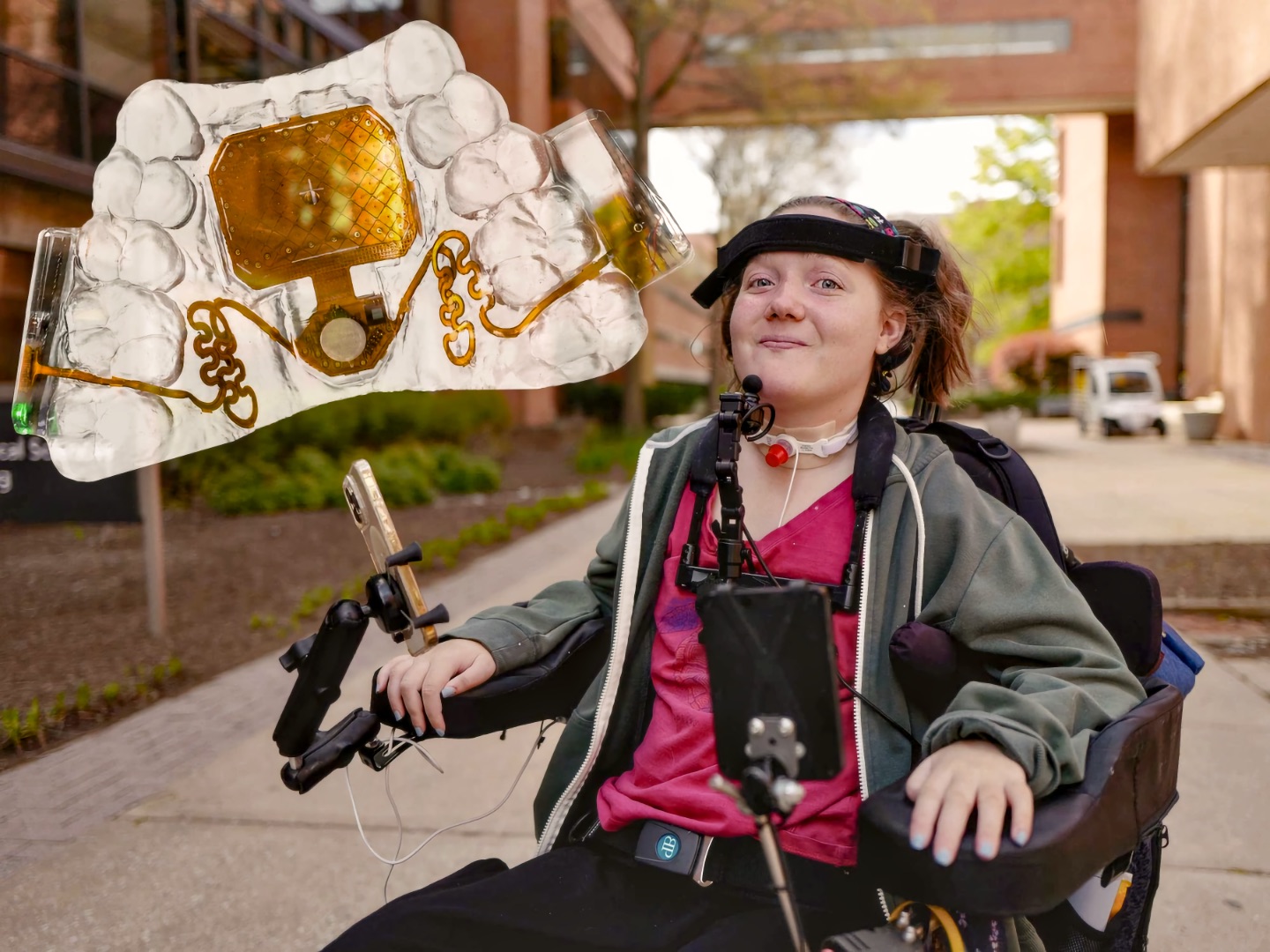
  • Keely Horch, an engineering student at the University of Maryland, Baltimore County (UMBC), uses Mouthpad to interact with computers independently.

    Augmental's Mouthpad Is a Touchpad for Your Tongue

    An engineering student at a public university runs a computer independently using a thin retainer worn against the roof of her mouth, which reads the pressure of her tongue, her sip gestures, and the tilt of her head. That device went on public sale this past July after roughly six years of development built around what People with Disabilities said they wanted, and it delivers hands free Bluetooth control of laptops, phones, tablets, and powered wheelchairs. A designer and disability advocate who has no hands and no shoulder sockets now steers a cursor with his head, clicks with his tongue, and works away from his desk for the first time in his life, and the same team is working toward silent speech for People who can move the mouth and tongue but cannot speak aloud. Access on that scale builds careers and social life at once, and it lands as a duty on our communities every time we produce an email, a flyer, or an event handout to make certain it is accessible and follows the International Accessibility Standards.

  • Avoid PDF for On-Screen Reading

    Using PDFs for on-screen reading is a common practice that often leads to frustration and inefficiency for users compared to standard web pages. Despite the convenience of PDFs for printing, they are not optimized for online viewing, causing usability problems such as difficulty navigating, slow download times, and lack of accessibility features. As Jakob Nielsen and Anna Kaley emphasize, PDFs are meant for distributing documents for printing, not for online consumption. The heavy text and graphics in PDFs increase file size and hinder navigation, making it challenging for users to find…

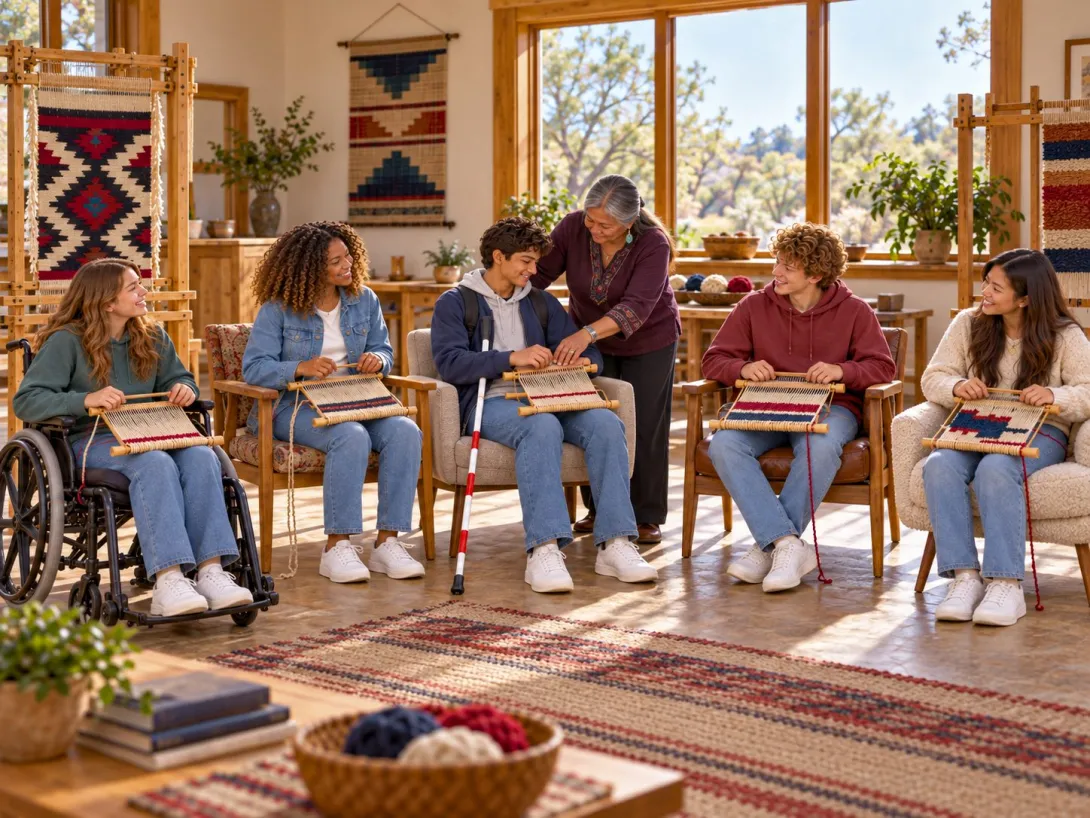
Five diverse youth practice beginner lap-loom weaving in a warm art studio as an elder Diné artist guides the blind young man’s hands through the weaving technique. Each student’s piece is at a different stage of progress, with finished woven work displayed around the studio.

In the close social network forged in a vibrant community, elders offer deepening, wise counsel, and distinctive example. Others step in as spiritual aunts and uncles to share affection and concern for the progress of young people and provide support that reinforces the labours and lofty aspirations of parents. -The Universal House of Justice 19 March 2025

Question: Is this example of inclusive practices the norm in your community? If not, what barriers need to be removed which prevent inclusive and welcoming participation?


"The challenge facing the friends serving at the grassroots is essentially the same in every place. They must be able to read their own reality and ask: what, in light of the possibilities and requirements at hand, would be fitting objectives to pursue in the coming cycle or series of cycles?"  -- December 30, 2021 UHJ to Conference of Counselors Introducing Nine Year Plan


Explore More Compelling Insights:

Learn about topics related to People with Disabilities, Accessibility, Anti-Ableism, Removing Barriers, and the Disability Community? Tap the Explore button to discover something new and intriguing with each tap!