Striving to remove barriers that prevent us from building Vibrant, Diverse, Inclusive, Accessible Communities!
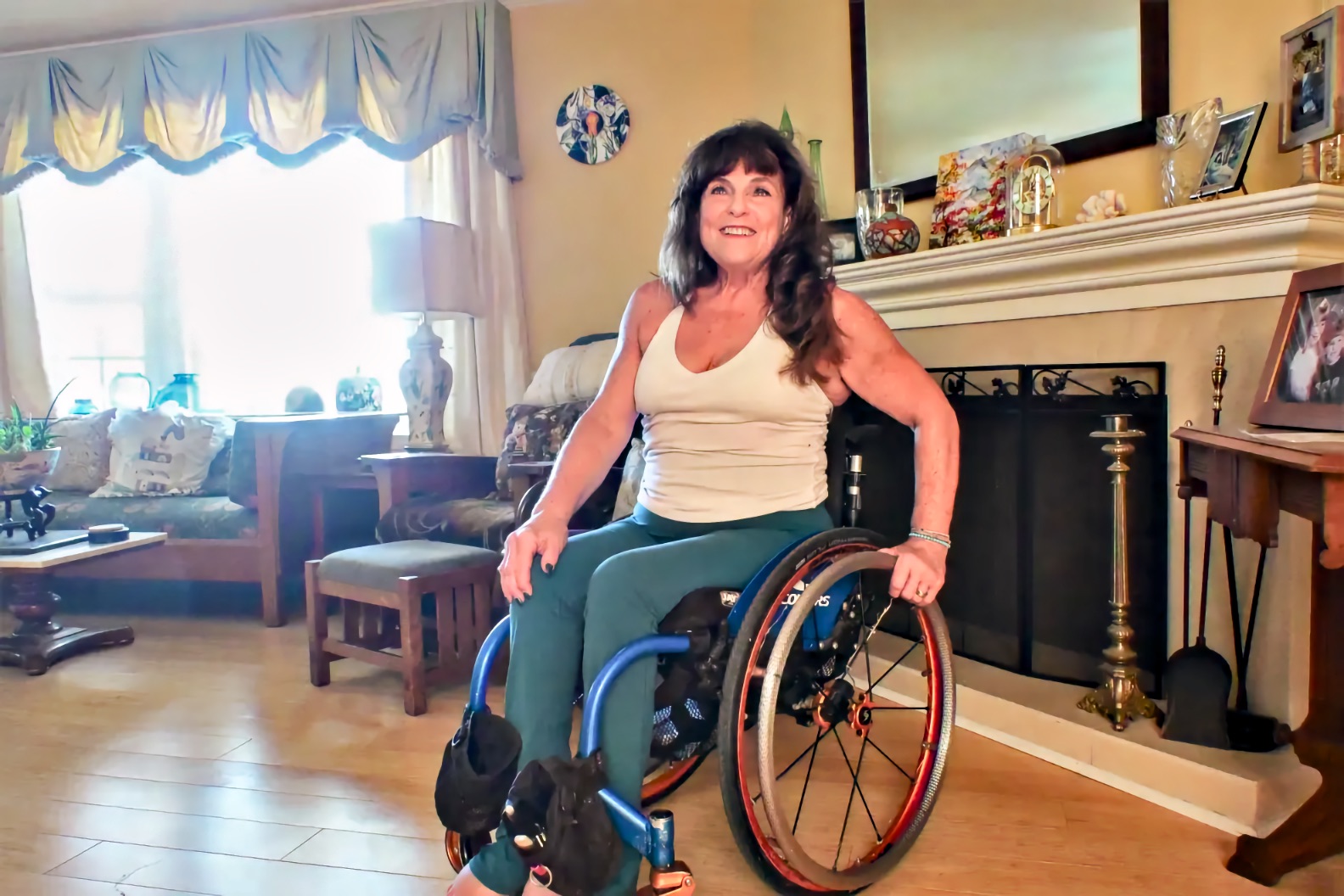
Thirty years ago a woman in Camarillo, California woke up paralyzed. The cause was transverse myelitis, a rare neurological condition, and it left her paralyzed from the waist down. What came after was not a retreat from public life. She has built her life around advocating for People with Disabilities, and she does that work and speaks about it from her own home.
There is a ramp at that home, and she propels herself up it under her own power. That ramp is the whole difference between a space she can move through and a space that would shut her out. Paralysis from the waist down is not what settles the question of where she can go on any given day. The construction of the place settles it, every time, and someone decided how that place would be built.
In 2024 she served as Ms. Wheelchair California, a public title held by a woman who uses a wheelchair. Titles like that carry weight because People with Disabilities are so seldom seen holding public roles at all. When a wheelchair user occupies a visible position, the emptiness of every other stage becomes impossible to miss. Presence ends the quiet assumption that People with Disabilities were never going to be in the room in the first place.
Paralysis took her legs, it never took her voice, and she has spent thirty years using it. At home she grows everything from cherry tomatoes to milkweed, and she planted that milkweed hoping monarch butterflies would find her garden. Butterfly decorations fill the house. She has made a place where she can move, plant, tend and be delighted, and she could do that because the route through her own home was built to carry her. Here is what we already know and keep setting aside: a person's Disability is not the thing that keeps them out of our gatherings, the way we set those gatherings up is. She has a ramp at her front door, and the halls, parks and meeting rooms we book have a step at theirs that nobody checked for.
Before we lock in a venue this week, let's travel the whole route ourselves, from the parking space to the door, the door to the room, and the room to the restroom. If any leg of that trip has a step in it, we book somewhere else instead of asking anyone to make do once they arrive. That one habit is how our communities actually become Vibrant, Diverse, Inclusive and Accessible Communities for People with Disabilities rather than communities that mean well.
She got a ramp and the world got an advocate, and the next voice we are missing is waiting on a route we have not walked yet.
Read the Full Article: See the Camarillo advocate who woke up paralyzed 30 years ago.
By: Tom Kisken
