Explore More Compelling Insights:
Learn about topics related to People with Disabilities, Accessibility, Anti-Ableism, Removing Barriers, and the Disability Community? Tap the Explore button to discover something new and intriguing with each tap!
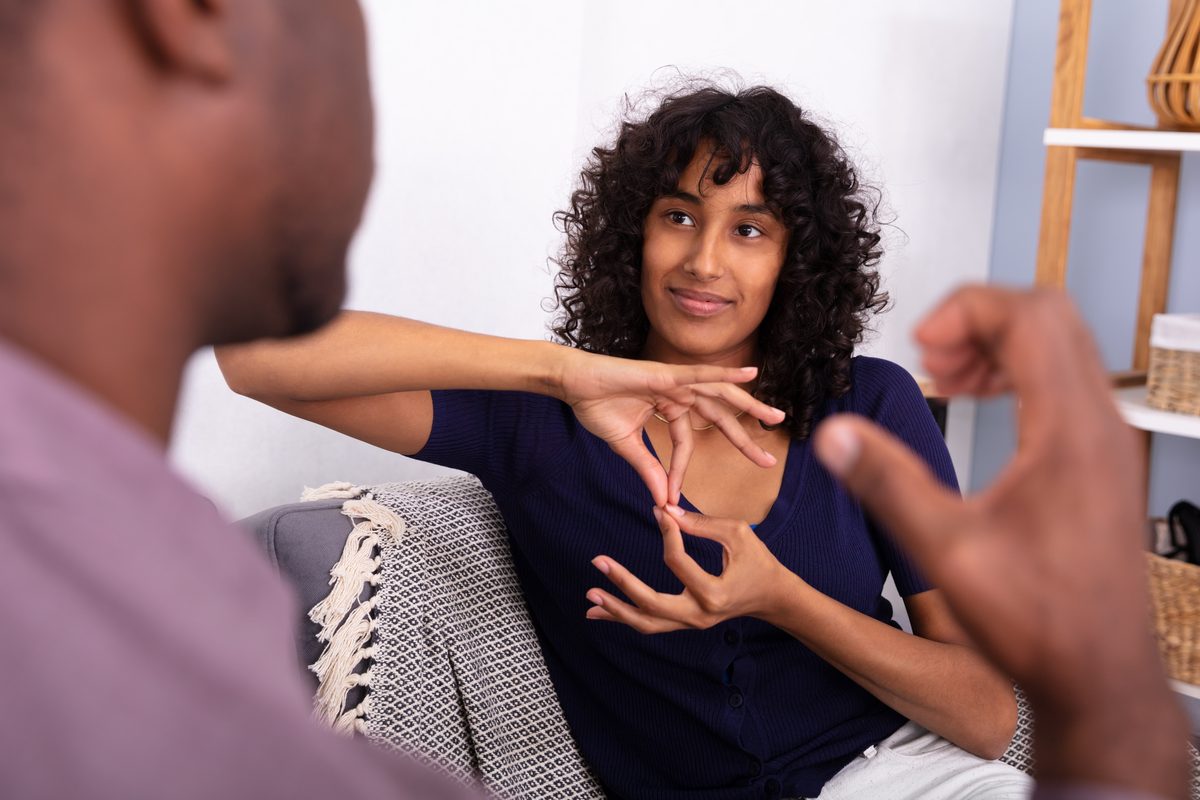
A national task force is pressing Baha’i communities to plan gatherings with Deaf Baha’is and Baha’is who are Hard of Hearing from the first conversation. Back in the 1990s the group saw that Deaf Baha’is usually stayed involved for roughly three months, and at an online devotional Zoom’s automatic captions mangled sacred words from Arabic and Persian, while interpreters who sign in American Sign Language (ASL) carried the readings well. We should ask Deaf People and People who are Hard of Hearing what they want before we plan our next program, service, or event.

Scotland’s Parliament heard renewed criticism of transport provision for people with disabilities after Members of the Scottish Parliament raised concerns that too few accessible taxis are available. The debate, held on the International Day of Persons with Disabilities, highlighted mobility barriers that persist despite longstanding commitments to provide access. Speakers described long waits routinely faced by people who use wheelchairs when trying to book accessible taxis. A Member told the chamber that people with disabilities are forced to wait excessive periods because the supply of…
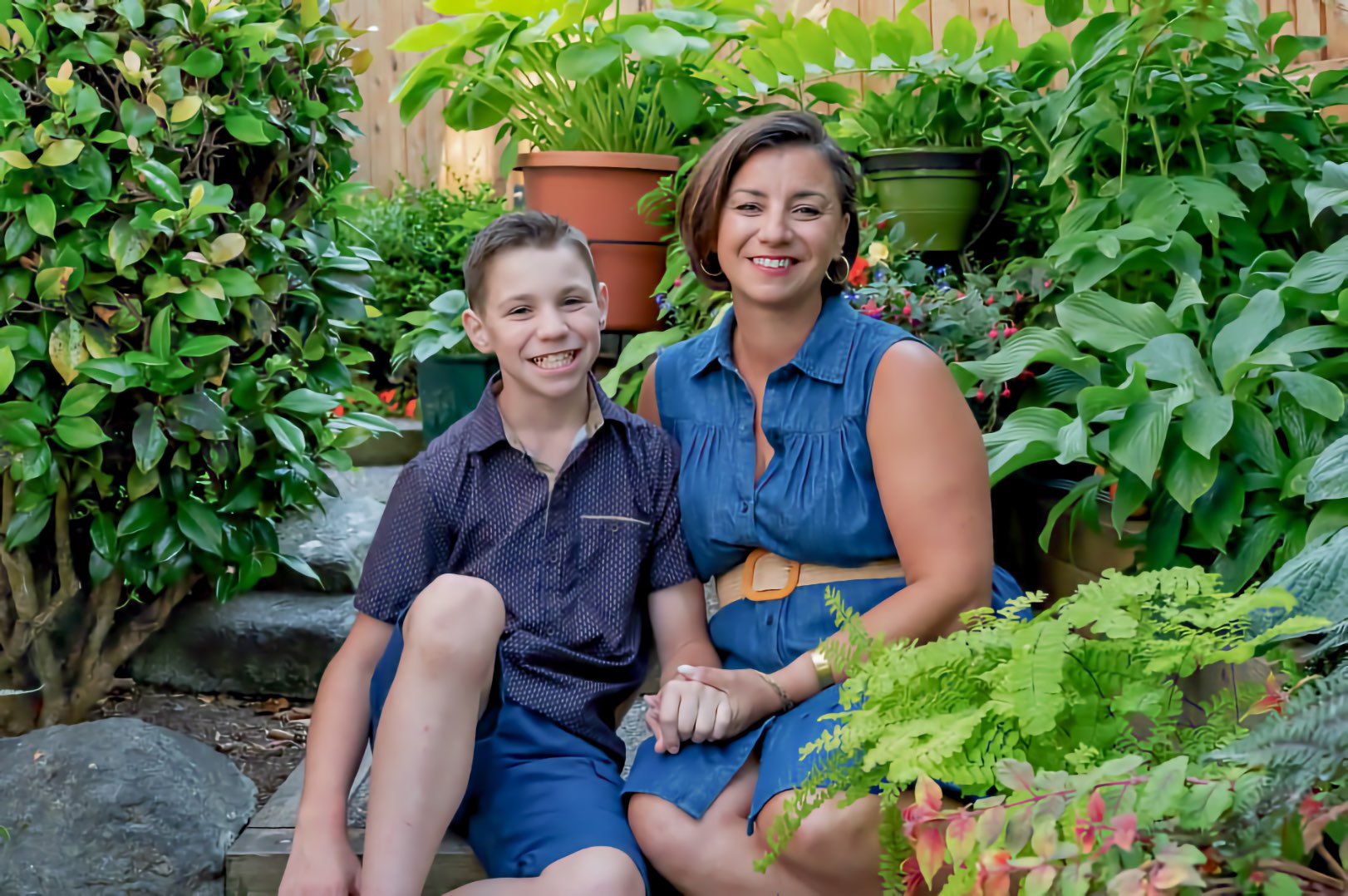
Every Oct. 6, a Delta school marks World Cerebral Palsy Day because one family has spent eight years teaching about 4,000 students and parents what physical diversity means. Royce Sloane, 11, plays sledge hockey with SportAbility, stands a single belt short of black at Tsawwassen Martial Arts, and shows how far a child with a physical disability can go when programs plan for him. Inclusion takes more than a seat in a classroom. It takes resources, equipment, partnership, and understanding.

In his 2024 banquet address to the National Federation of the Blind, President Mark A. Riccobono says dignity is equal for Blind People and others, yet grabbing hands, inaccessible forms and low expectations threaten it every day. He asks Blind People and allies to uphold dignity through autonomy, choice and respect, and to carry that work forward through the organized blind movement.
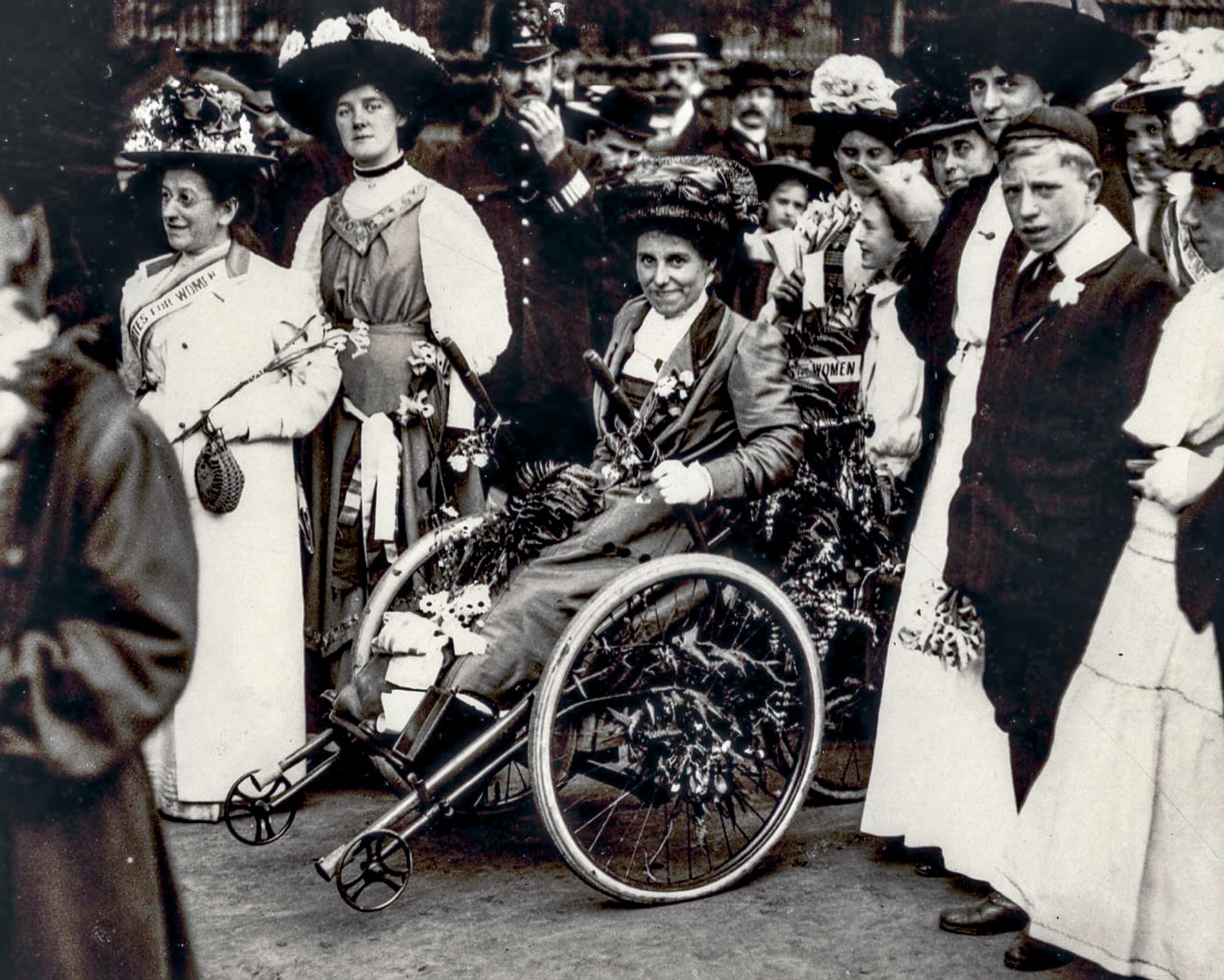
David Turner's new history argues that although public attitudes toward People with Disabilities in Britain have barely improved across centuries, People with Disabilities themselves have repeatedly won progress through their own organized efforts, from a Deaf aristocrat who turned period prejudice about deafness into public fame, to a suffrage campaigner who drove her hand operated tricycle into police lines, to a 1960s campaigner who fought for a disability payment granted on the basis of disability alone, recovering figures whose resistance has too often been erased.
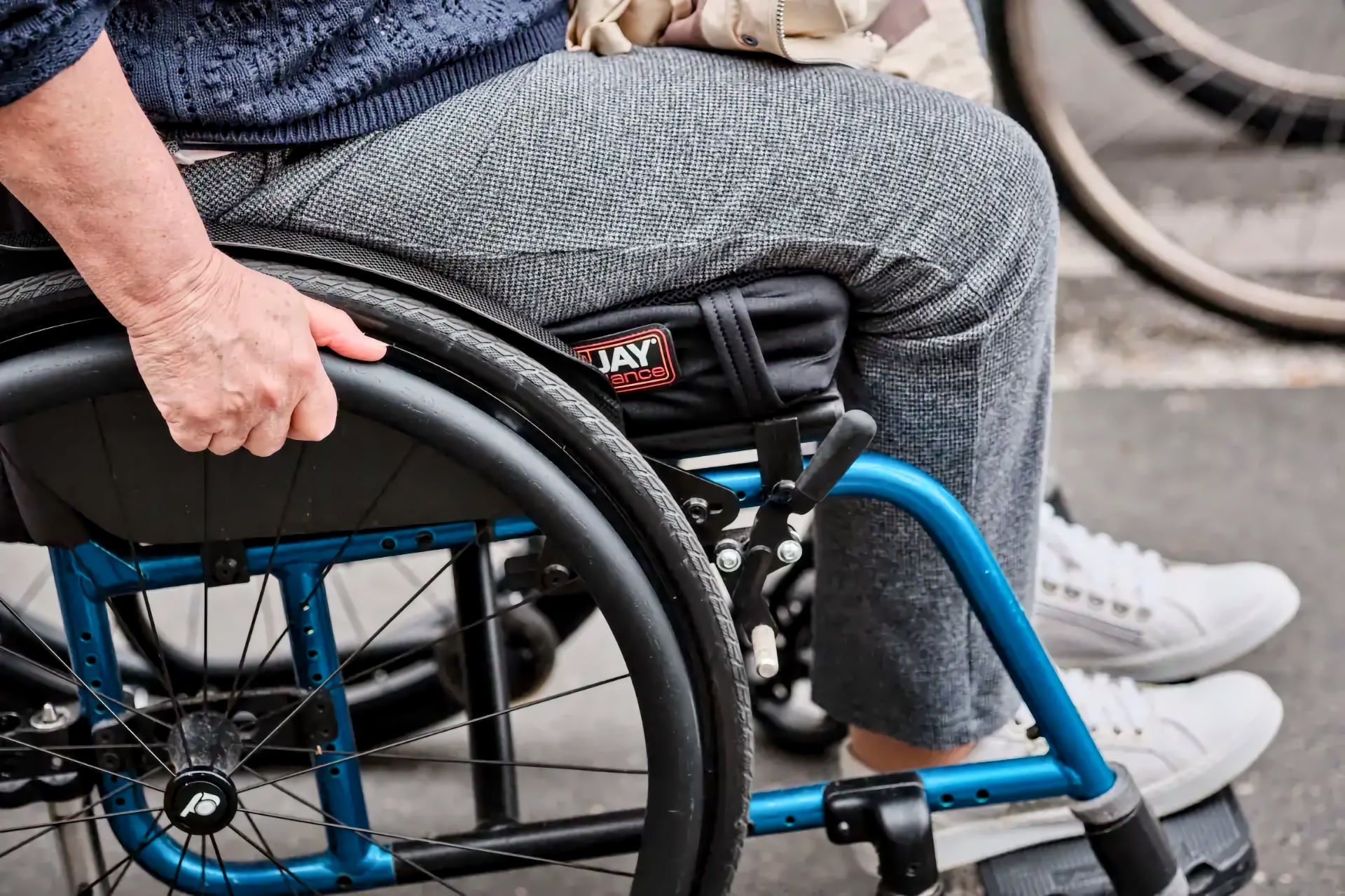
Joni Eareckson Tada, who has lived with quadriplegia for nearly 60 years, writes that loneliness falls with special weight on People with Disabilities and that community is the answer. She tells how Rebecca, a woman with cerebral palsy, found friends by serving others, and she asks readers to remove barriers and plan welcoming, inclusive, accessible gatherings.

Meredith Englander Polsky, who cofounded Matan 25 years ago, writes that Jewish communities have made real progress on disability inclusion, yet families are still turned away, and inclusion must move from a side program to the center of community life.

The article rejects the exclusionary stance of “we don’t do disability,” showing that Jewish institutions already serve people with disabilities wherever they engage in education, social justice, poverty alleviation, community building or Jewish engagement. Framing disability as a niche excludes students, congregants, volunteers, co-workers and loved ones who are already present and entitled to belong. The author names the breadth of disability — visible and invisible, including mental health, neurodivergence, learning disabilities and chronic illness — and shows how exclusion compounds…

The United Nations (UN) Disability Inclusion Strategy frames disability exclusion as a rights failure that institutions must stop normalizing, stating that “when we secure the rights of persons with disabilities,” the world moves closer to the core values and principles of the United Nations Charter. The article positions disability inclusion as a standard across peace and security, human rights, and development, making clear that leaving barriers in place is a structural choice that blocks People with Disabilities from full participation.
The Strategy directly confronts institutional inaction by establishing a policy and an accountability framework with benchmarks to assess progress and accelerate change. It specifies that senior leadership must champion disability inclusion, strategic planning must take People with Disabilities into account, disability-specific policies or strategies must be developed, and expertise must be formally assigned. These requirements exist because exclusion persists when responsibility is vague and consequences are absent.

Alice Wong, who founded the Disability Visibility Project and was a MacArthur Fellow, died in San Francisco on 14 November 2025 at 51. Born with muscular dystrophy, she gathered People with Disabilities’s own stories with StoryCorps from 2014, co founded #CripTheVote, was a National Council on Disability member and wrote Year of the Tiger, her memoir, a life of advocacy. Communities that share these stories would make room for Vibrant, Diverse, Inclusive, Accessible Communities for People with Disabilities.

Bob Kafka, an organizer with ADAPT and a Vietnam veteran who was paralyzed in a 1973 car crash, died at 79. His friend Mark Johnson remembers him as a policy wonk who changed laws and lives, and who spent 50 years claiming his full identity, a life of advocacy.

The Americans with Disabilities Act became law 35 years ago. Coloradans reflect on our state's pivotal role and on the progress still to be made. Then, ahead of a special session of the state legislature, a look at a bad budget gap and some bad behavior. Plus, the season three premiere of Systemic, CPR's podcast about changemakers. “They blocked buses in Denver, busted up curbs, crawled up the US. Capitol steps. Activism that led to the Americans with Disabilities Act. 35 years later, it can still be a daily battle. Listen to the Podcast: Disability rights movement sprouted in Colorado -CPR…
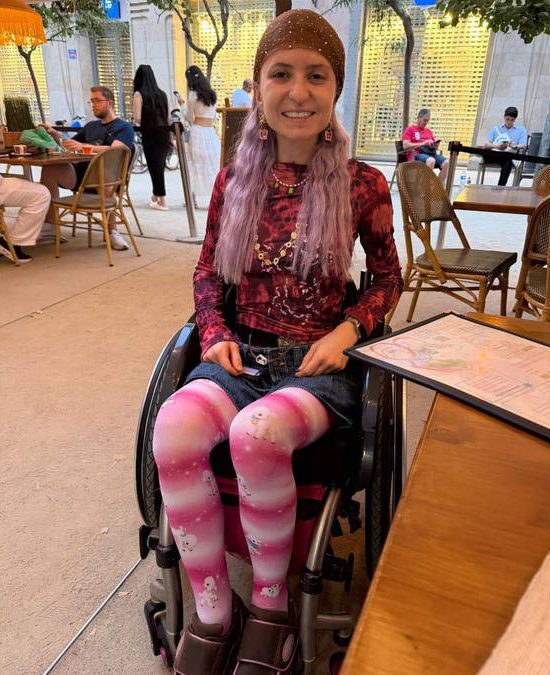
Jessica, a disabled woman and wheelchair user from north London, is stranded when the ramp on London's new electric buses sticks halfway, which happens in roughly six of every ten trips. The fault has cost her medical and physiotherapy appointments, and her reports to the operators go unanswered. Tube stations without lifts, a booked out Dial A Ride and costly taxis leave her no other road. Bus access is a matter of rights, and no favor is being asked. We should ask each person how they are getting to our door and settle our start time early.
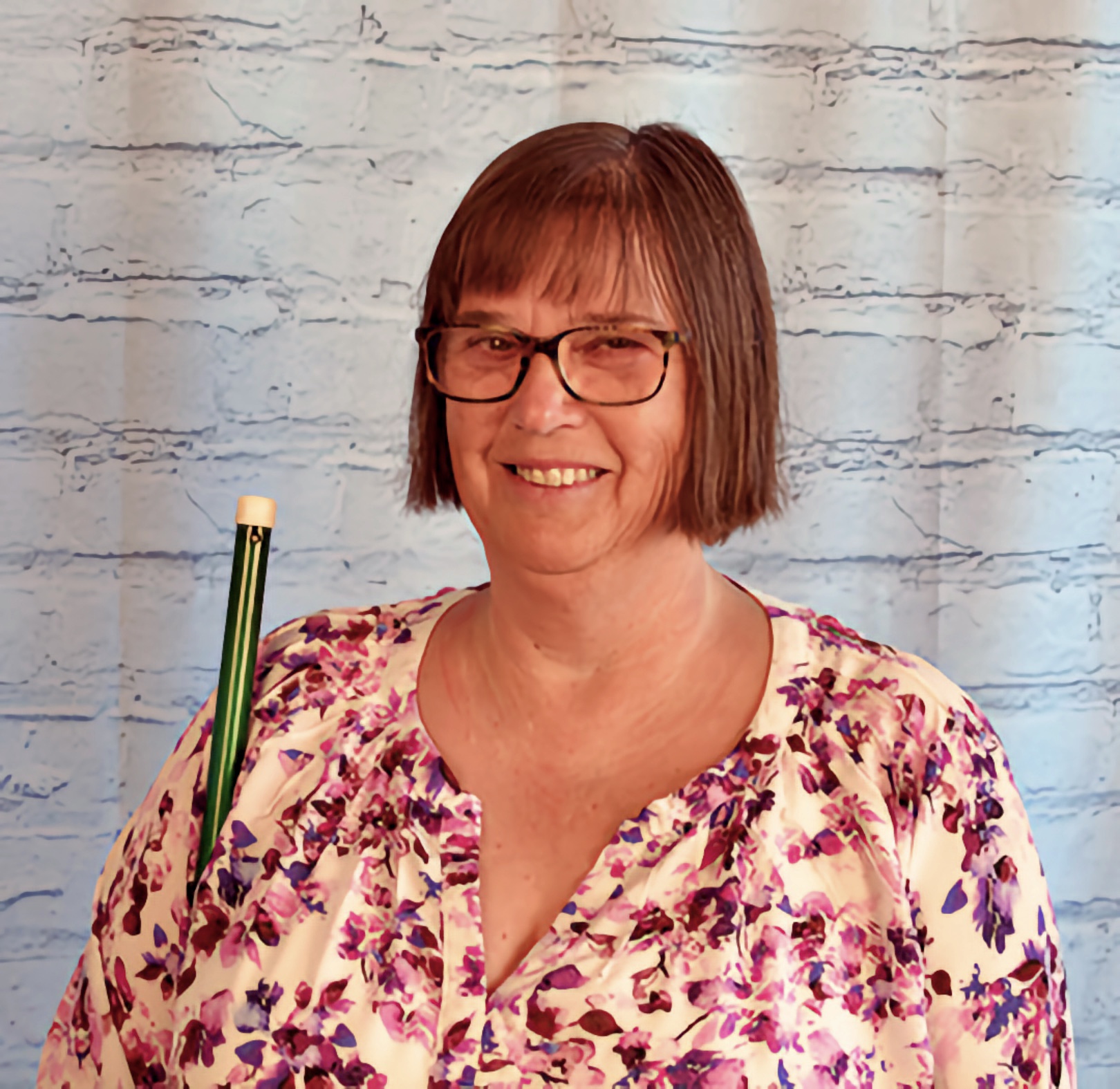
When an explosion during a training exercise he had led at Camp Lejeune in February 1944 took the sight of Marine Lieutenant Thomas Hasbrook, ableist assumptions about blind people closed in immediately. Tom himself had absorbed the belief that blindness excluded him from meaningful work and contribution, and he told his wife of eleven months, Mary Jane, to divorce him — for perhaps the hundredth time. Mary Jane refused every time. Rather than accept those barriers, she brought a typewriter to the hospital and taught him to type. His mother began learning Braille herself and taught Tom as she…
by Ellen Stumbo Delve into Ellen Stumbo's thought-provoking piece as she delves into the crucial question: "Do churches care about the less privileged and disabled?" In theory, they do. Christian and religious organizations often spearhead relief efforts globally, offering aid and resources to underprivileged communities worldwide. Yet, on a local scale, churches sometimes overlook people with disabilities, relegating them to the sidelines. Despite having funds set aside for those in need, efforts to reach out to People with Disabilities are lacking. This neglect stems from misconceptions…
By Judith Graham As we reflect on the demographic composition of our current communities and contemplate building Diverse, Vibrant, Inclusive, Accessible Communities, it's essential to acknowledge potential limitations in the diversity of their content or the absence of diverse perspectives. Recognizing the presence of People with Disabilities and the predominant representation of older individuals within our communities, we must confront any inadequacies in the inclusivity of our initiatives. Despite our efforts to engage representatives from various communities, there might be problems in…
By Elizabeth Cooney In a thought-provoking piece titled "Doctors call out ableism in cancer care: 'The biggest barrier is attitude'", the article highlights the pervasive problem of ableism in cancer treatment, revealing how People with Disabilities face significant problems right from the diagnosis stage. It underscores the barriers marginalized individuals encounter due to biased assumptions and outdated practices in medical care. The narrative delves into the intricate problems faced by individuals with disabilities, particularly in navigating the complex landscape of cancer care. Through…
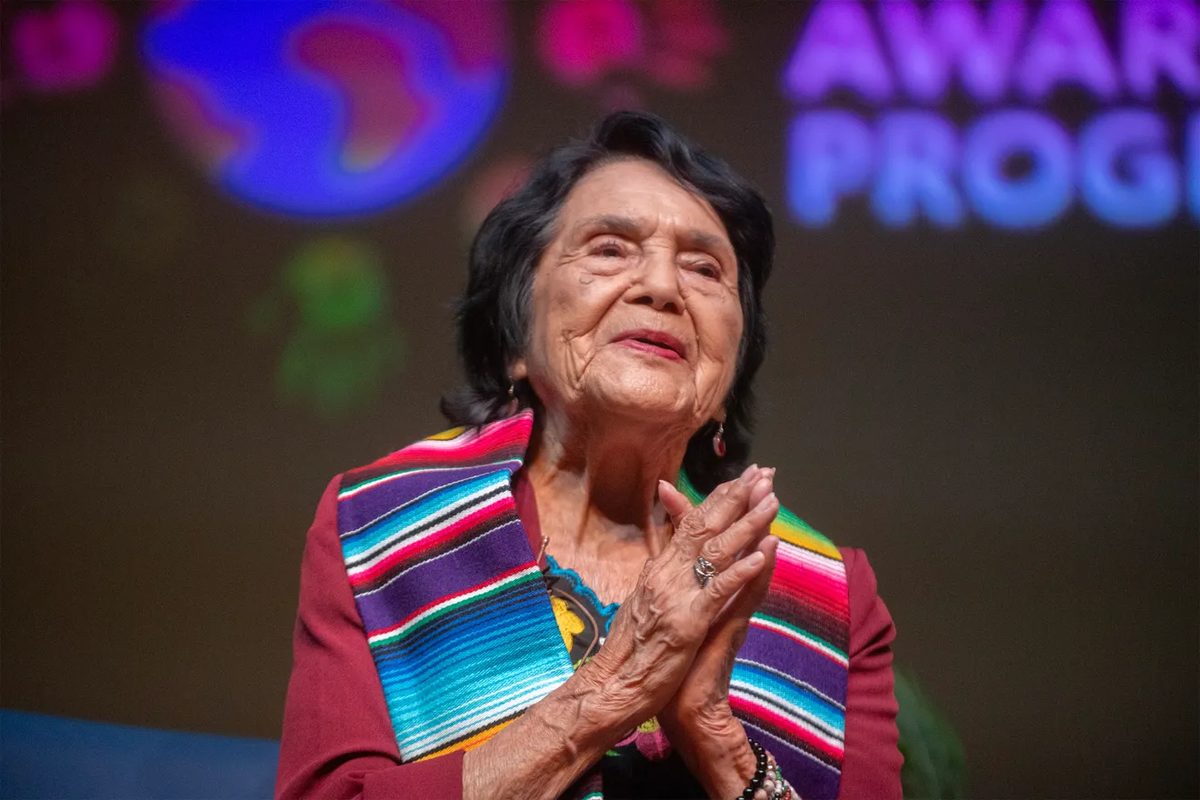
Dolores Huerta died at 96 on Oct. 28. She shared leadership of the farm worker struggles with César Chávez, kept workers' spirits high on the picket line, drew more women into the strike, and led the table grape boycott outside California. As chief negotiator for the farm workers' union, United Farm Workers (UFW), Huerta would not be intimidated, and her tenacity won signed contracts, a first in U.S. history for agricultural workers. Later she spearheaded a foundation in her own name, the Dolores Huerta Foundation, to build a new generation of Latino community leaders. Her mantra, "Si se puede," means it can be done, and it asks us to plan so that people who face a barrier lead the work of removing it.

by Nishal Desai PDFs are a common go-to for sharing information online, but their use by public bodies often leads to accessibility barriers. Public sector websites frequently rely on PDFs for presenting information, especially about physical activities. This needs to change to ensure everyone, including People with Disabilities, has equal access to essential information. Moving away from PDFs to more accessible web technologies can help achieve this goal. Using PDFs can limit the reach and effectiveness of information dissemination. They are static, challenging to update, and often not…
Learn about topics related to People with Disabilities, Accessibility, Anti-Ableism, Removing Barriers, and the Disability Community? Tap the Explore button to discover something new and intriguing with each tap!