
Striving to remove barriers that prevent us from building Vibrant, Diverse, Inclusive, Accessible Communities!
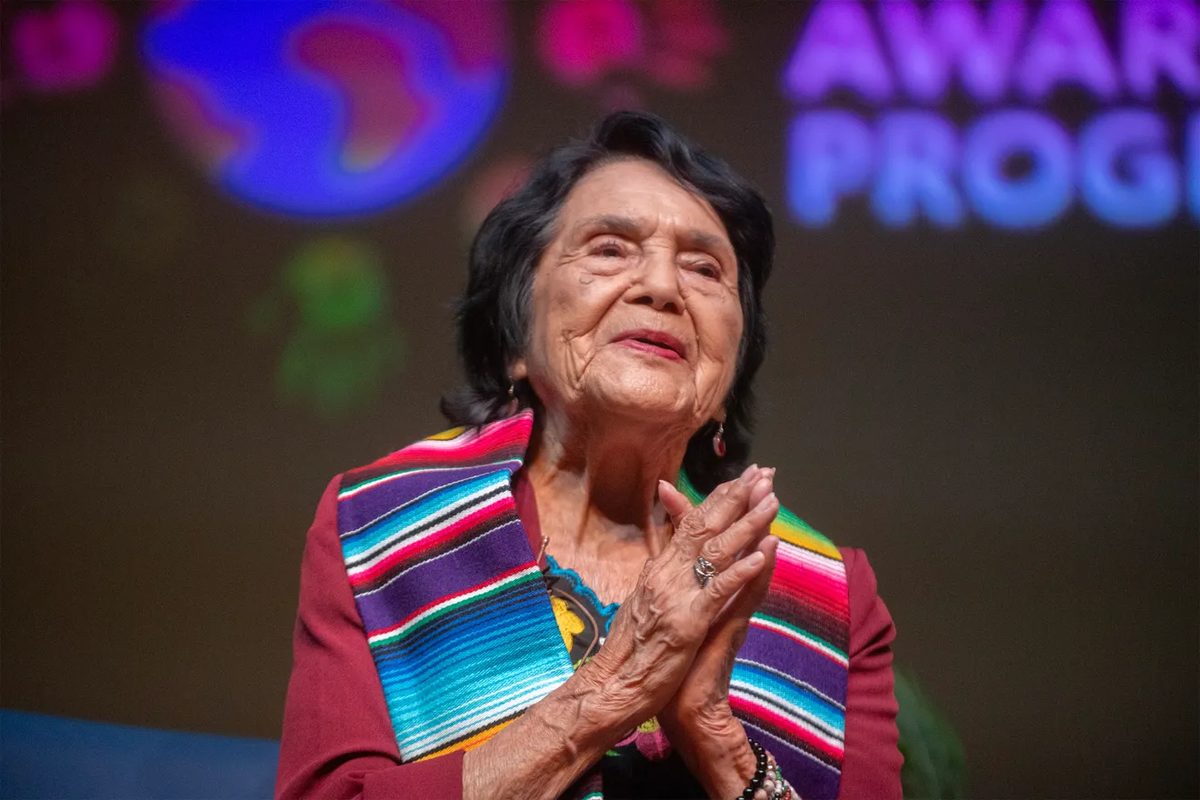
Dolores Huerta died at 96 on Oct. 28, and her life showed what her mantra promised. "Si se puede" means it can be done. A New Mexico native born in April 1930, she shared leadership of the farm worker struggles with César Chávez and became a role model for Chicana and Latina women across several generations. Her work reached civil rights, the feminist movement, peace, and environmental causes. Known as "La Pasionaria," which means the passionate one, she stood for decades beside people pushed down and shut out of power, and she stayed active into her 90s.
In the 1960s, Chávez served as the movement's public face while Huerta did the daily work that held it together. On the picket line she kept the workers' spirits high. She also drew more women into the strike, and their influence kept the struggle tied to nonviolence. When the union took its pressure nationwide and overseas with a table grape boycott, Huerta led the work outside California, organizing in cities like New York.
By the late 1960s Huerta served as vice president in United Farm Workers (UFW), which she cofounded with Chávez, and she became its chief negotiator once the other side finally agreed to talk. She sat across from a table of men and would not be intimidated. Her tenacity led to signed contracts, and those contracts marked the first time agricultural workers won a union drive in U.S. history. The work did not end there. For decades afterward Huerta stayed in the trenches so that farm workers would win respect as human beings.
Doors open when people who are shut out keep organizing together. Once she left the union around the year 2000, Huerta spearheaded a foundation in her own name, the Dolores Huerta Foundation, which aims to build a new generation of Latino community leaders. A devout Catholic, she said her faith kept her going, and she held an unshakable belief that poor and oppressed people can reach justice and hold their democratic rights. Barriers related to race, gender, and disability last in our communities when the people who live with them are left out of the planning. Huerta's record points to where this work starts, with people who face the barrier leading it. For us as Community Builders, that means our own programs, events, and services.
In our planning, the people who face a barrier should lead pieces of the work, as Huerta spearheaded the table grape boycott outside California. We should also invite newer planners to lead a piece of the plan, since the Dolores Huerta Foundation aims to build a new generation of Latino community leaders. "Si se puede" would then be a plan we carry out, and Vibrant, Diverse, Inclusive, Accessible Communities for Marginalized People and Groups would be what it builds.
That is the lesson of "Si se puede": the people at the barrier should lead, and we should build beside them.
Read the Full Article: Dolores Huerta changed America. She proved 'Si se puede' right.
By: Mario T. García
Questions for Reflection
- Huerta did the daily work that held the movement together while someone else was its public face. Who does that work in our programs, and how do we make sure they have a voice in our decisions?
- She drew more women into the strike, and their influence kept it tied to nonviolence. Whose influence is missing from our planning, and what would change if they stood in the middle of it?
- She led a table grape boycott outside California, in cities like New York. Where could our work reach beyond the places and people we already know?
- She sat across from a table of men and would not be intimidated. In the meetings we hold, who does the table leave out, and how would we notice?
- The Dolores Huerta Foundation aims to build a new generation of Latino community leaders. Which newer planners in our community could lead a piece of our next program, and what would we ask them to lead?
- "Si se puede" means it can be done. Which barrier in our community have we treated as too large to remove, and who already knows how to remove it?
