
Striving to remove barriers that prevent us from building Vibrant, Diverse, Inclusive, Accessible Communities!
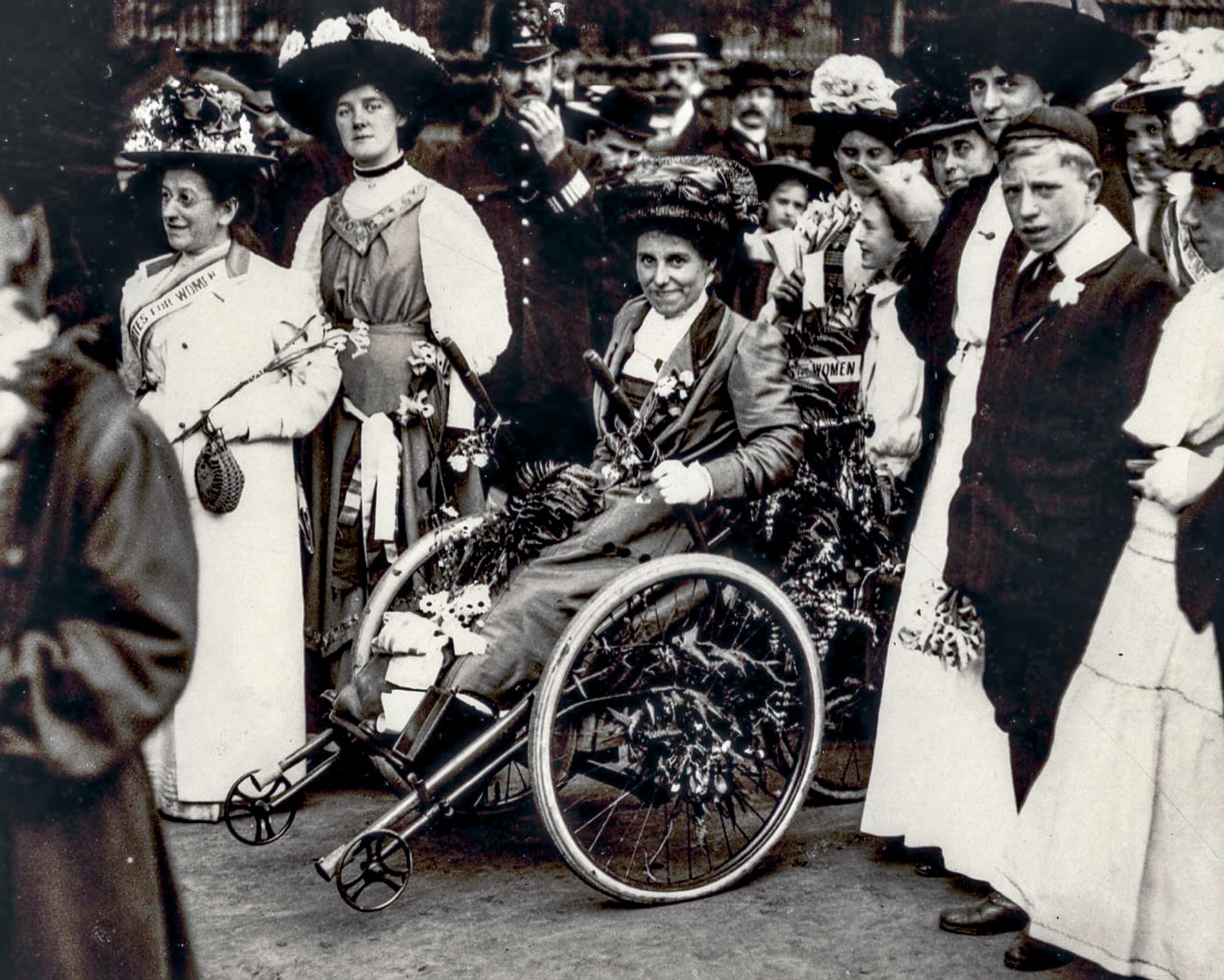
Historian David Turner’s new history of disability in the United Kingdom teaches two lessons that seem to clash, Lucy Webster writes in her Guardian review in June 2026. Little has changed for People with Disabilities since the start of the modern age: in the 17th century, men and women had to prove their disability was severe enough to earn parish relief and avoid starvation, a test anyone who has claimed the personal independence payment will recognize. Yet everything has changed too, from the closing of asylums to prosthetics to disability rights written into law.
Turner, a professor at Swansea University, reconciles the two: public and political attitudes stayed poor, but People with Disabilities pushed back against them at every stage. Progress, he shows, was never bestowed from on high; it was won by People with Disabilities and their communities. Webster calls the picture one of ingenuity, determination and grit, not of a downtrodden minority, and says members of the disability community will recognize themselves and their friends in people who lived centuries ago, because those people rejected the assumptions attached to them.
The book is anchored in personal stories. Duncan Campbell, an aristocrat, became a sensation as a Deaf psychic at the turn of the 18th century, when deafness was equated with being childlike and unable to learn. Two centuries later, May Billinghurst, the “cripple suffragette,” used her custom hand operated tricycle to break through police lines in acts of civil disobedience. In the 1960s Megan du Boisson campaigned for the first disability benefits based on disability alone, when existing schemes covered only people injured at work or in war and left out almost all Women with Disabilities. Each of them claimed rights society had refused them.
None of these names is widely known, which Webster reads as a sign of how disability history has been devalued. Vic Finkelstein, an anti-apartheid activist, brought what he learned in South Africa to the UK disability rights movement and first set out what became the social model of disability in the early 1970s; William Hay, an 18th century member of parliament, was the first, Turner writes, to describe disability as a personal identity; and Barbara Lisicki and Alan Holdsworth started the 1980s and 1990s campaign for the UK’s first comprehensive disability rights law. The book rejects the false story that People with Disabilities are passive recipients of discrimination and charity. Our own community can learn this history and keep removing barriers alongside the people who have always led that work.
Our community should learn and share the history of People with Disabilities who won their own rights, from Billinghurst to Finkelstein. We should follow the lead of People with Disabilities in removing barriers, instead of treating them as passive recipients. Knowing the people who fought before us would move us toward Vibrant, Diverse, Inclusive, Accessible Communities for People with Disabilities.
Rights were never handed down; they were won.
Read the Full Article: Disability by David Turner review: a revelatory new history.
By: Lucy Webster, The Guardian, June 19, 2026
Questions for Reflection
- Which People with Disabilities from history have we never heard of, and why?
- How could our community learn the history of the disability rights movement together?
- Where do we still treat People with Disabilities as passive recipients instead of leaders?
- What does the story of May Billinghurst teach us about who gets remembered?
- Which barriers in our community could we remove by following the lead of members who face them?
