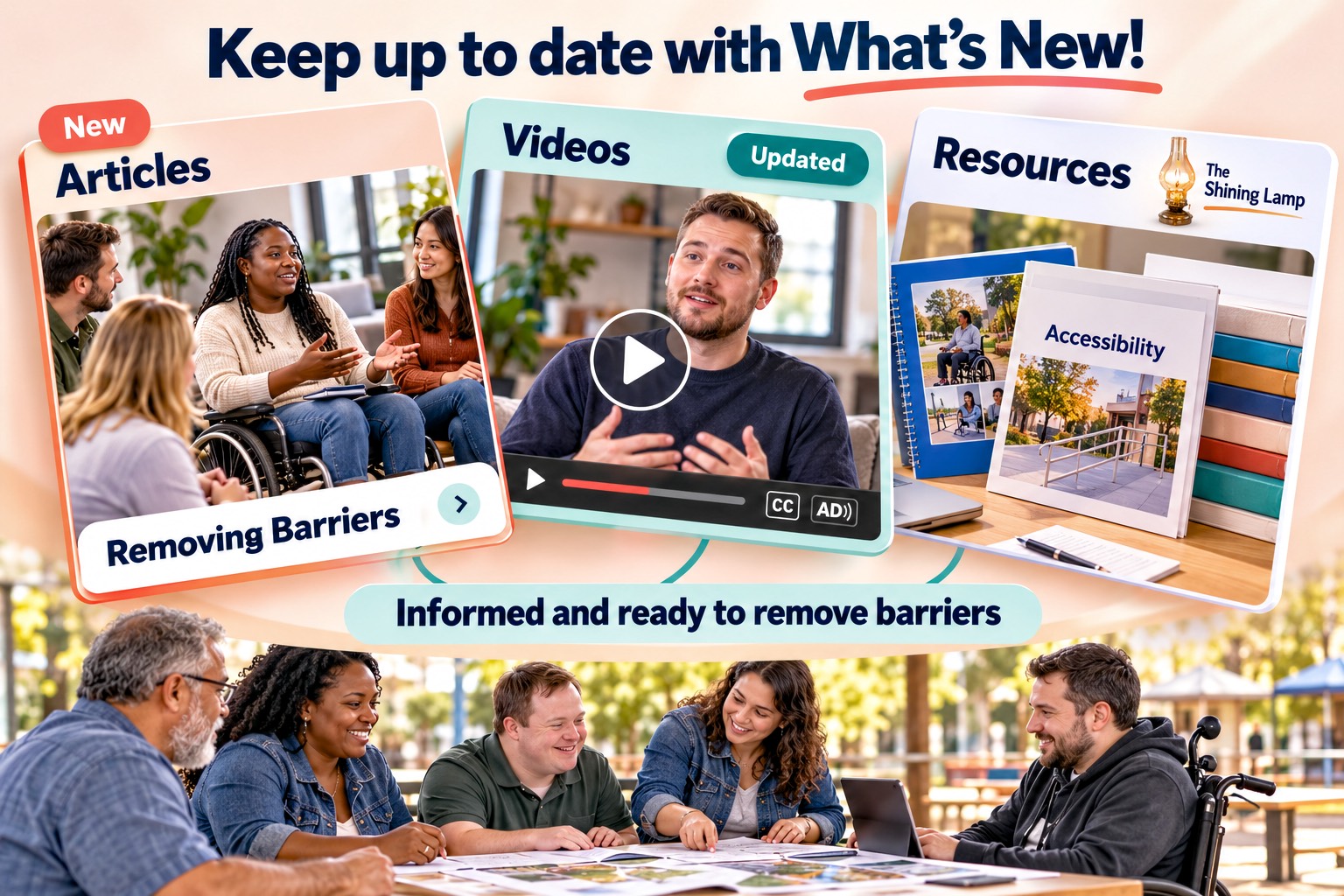

Infographic headed “Keep up to date with What’s New!” features article, video, and resource previews marked “New” and “Updated.” Below, a diverse group, including a wheelchair user, reviews materials together beneath the message “Informed and ready to remove barriers.”

What's New and Updated at The Shining Lamp?

Latest updates

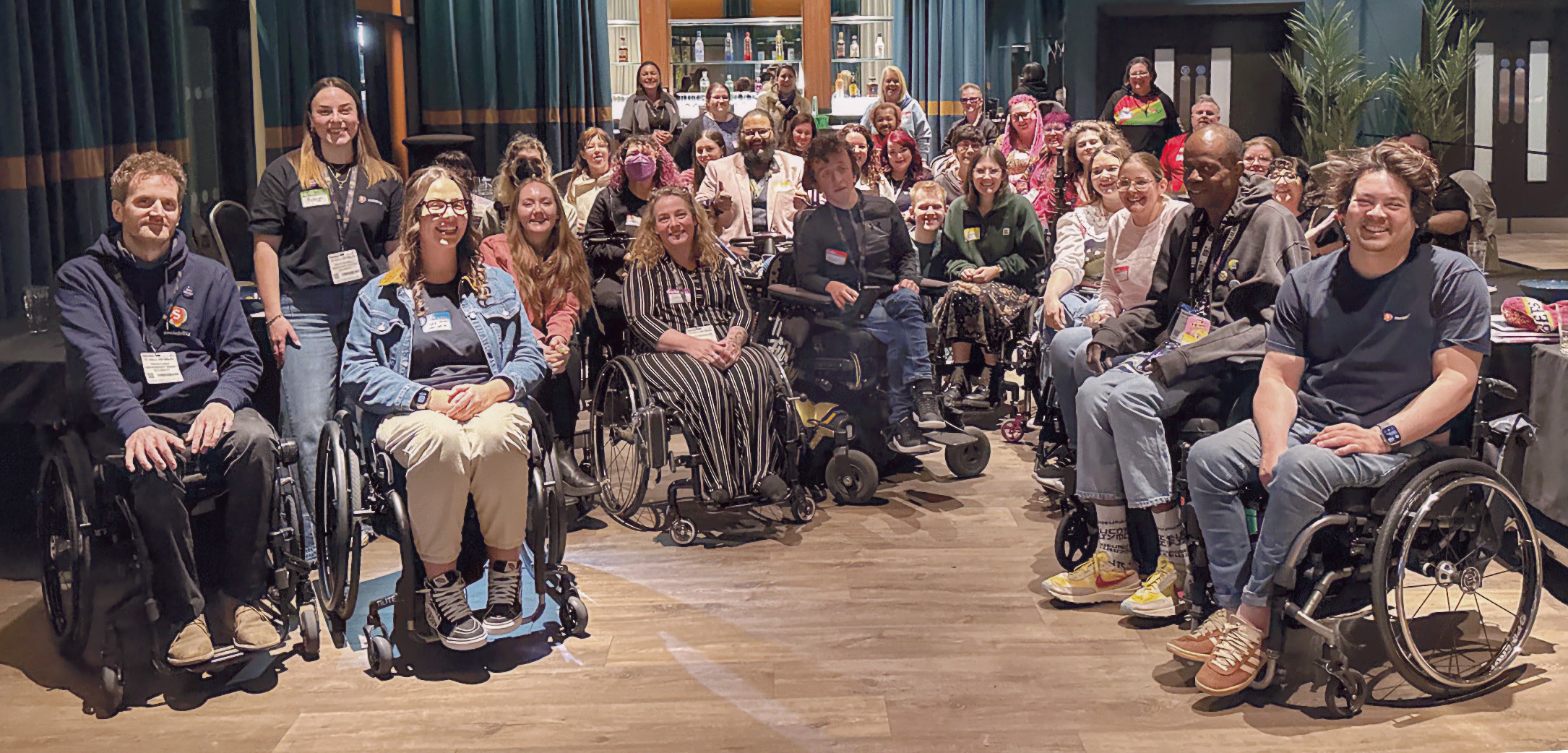
  • Attendees at the post-Naidex social event organized by Sociability founder Matt Pierri, pictured far right, gather for a group photo in Birmingham. The event was the only social gathering organized around Naidex, the United Kingdom's largest annual disability conference, bringing together around 150 People with Disabilities.

    How the Sociability app puts accessibility on the map to help disabled people break down barriers

    New

    People with Disabilities in the United Kingdom face systemic failures in both physical infrastructure and social attitudes that lock them out of ordinary life, from rail assistance booked in advance that simply was not there, to a trained first aider's offer of help being turned away on account of his wheelchair. The Sociability app directly addresses the physical access side of this exclusion by providing detailed accessibility information for cafes, bars, restaurants, and other venues, giving more than 100,000 people each year the reliable data they need to plan outings with confidence. Yet as People with Disabilities consistently report, the attitudes of those around them cause more daily harm than any missing ramp or inaccessible space. Community Builders must treat the removal of barriers as a shared responsibility rather than an act of charity, beginning by genuinely listening to People with Disabilities.

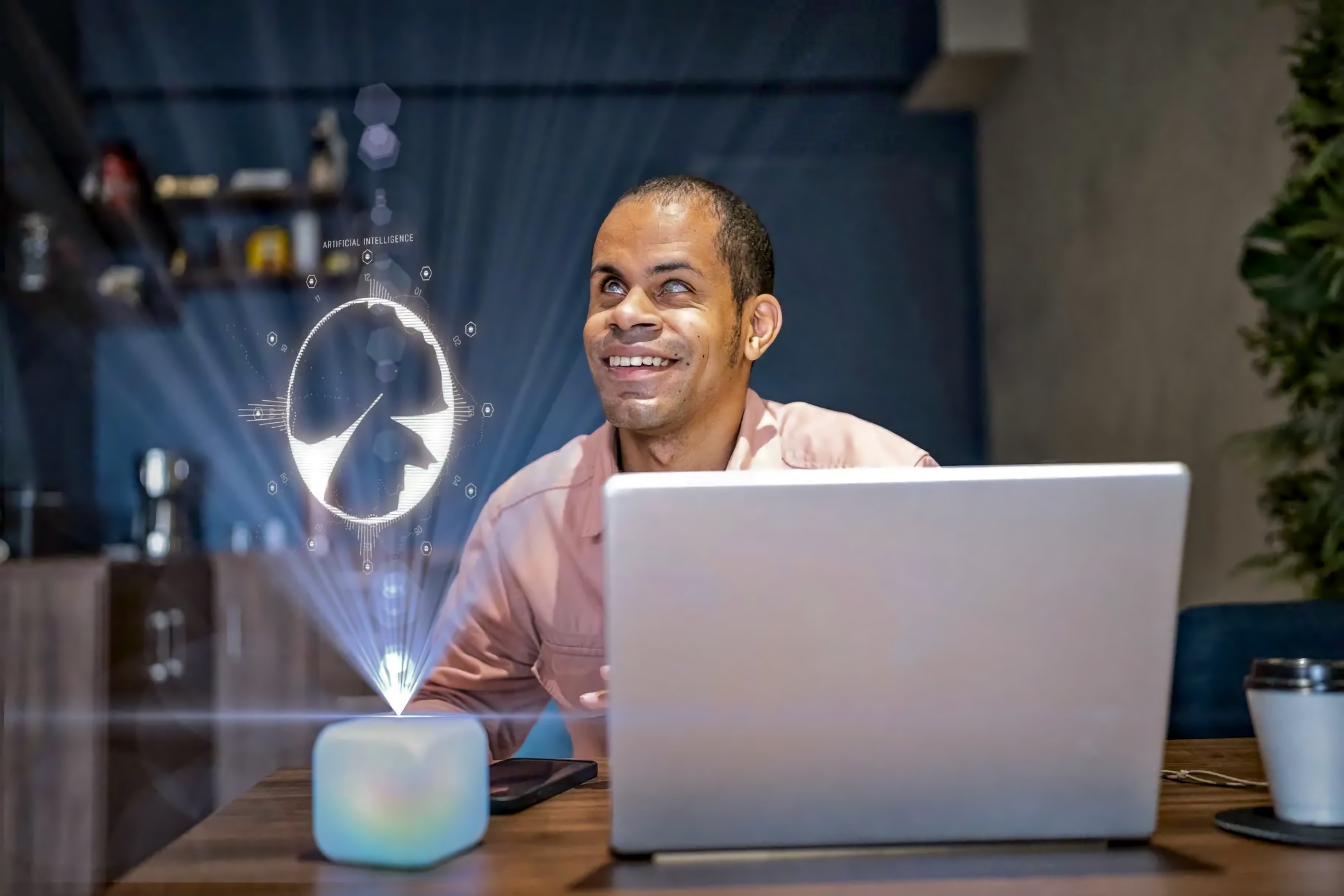
  • A Blind person at work with AI technology, representing the 1.3 billion People with Disabilities worldwide whose access to the digital future depends on whether AI companies build accessibility in by default.

    Artificial Intelligence Has One Chance To Get Accessibility Right

    New

    Artificial intelligence is now writing a growing share of the world's production code, and the same failure to build in accessibility that excluded People with Disabilities from the digital web for three decades is being reproduced at far greater scale through a handful of foundation models whose defaults will shape millions of products simultaneously. Public benchmarking through AIMAC, the AI Model Accessibility Checker, has forced measurable improvement in some AI models, yet persistent failures including low contrast text on roughly 85 percent of AI generated pages show that accountability is not yet standard practice across the industry. When People with Disabilities hold genuine decision making authority from the start, as blind developers Taylor Arndt and Jeff Bishop demonstrated by building the Accessibility Agents project because AI tools kept producing interfaces they could not use, the products that result address real access barriers. Removing barriers so that People with Disabilities can participate fully as both creators and users of digital technology is the shared responsibility that defines this moment for every Community Builder.

  • Members of the Hampden County District Attorney's Youth Advisory Board lead a presentation for elementary school students at a school assembly in Hampden County, Massachusetts.

    How 13 High Schoolers Are Fighting the Bullying Crisis Facing Students with Disabilities

    New

    The bullying and exclusion targeting Students with Disabilities in schools far exceeds what their peers without disabilities face, and a group of thirteen Massachusetts high school students from the Hampden County District Attorney's Youth Advisory Board addressed this directly by developing educational videos and a children's book on disability awareness, grounding the work in direct conversations with People with Disabilities about their own preferences and experiences. Rather than making assumptions, the students built their materials on what People with Disabilities reported about their own lives, ensuring the content reflects those most affected by peer exclusion. This project demonstrates that removing barriers to full participation for People with Disabilities is a shared responsibility, one that young people, educators, and every community member must take genuine personal ownership of together.

  • Sarah Kovac, journalist and disability advocate, types on her laptop using her feet at home. Kovac was born with arthrogryposis, which severely limits the use of her arms and hands, and performs virtually all daily tasks with her feet. (Courtesy of Sarah Kovac)

    Accessibility journalist shares tips to prepare for the ability drift

    New

    Sarah Kovac, a journalist and advocate who lives with arthrogryposis, which severely limits the use of her arms and hands, built a fully independent life using her feet for virtually every daily task and coined the term "ability drift" to describe the reality that physical capability shifts over time through aging, accidents, and temporary circumstances. Through her Consumer Reports collaboration, Kovac brought in journalists with disabilities whose practical adaptive guidance proved valuable across situations far beyond their specific experience, demonstrating that disability community expertise is wisdom that cannot be obtained anywhere else. People with Disabilities have long been spoken at rather than consulted as the actual authorities on their own lives, and Community Builders striving to create Vibrant, Diverse, Inclusive, Accessible Communities must center the lived experience of People with Disabilities as the foundation of every decision about accessibility and inclusion.

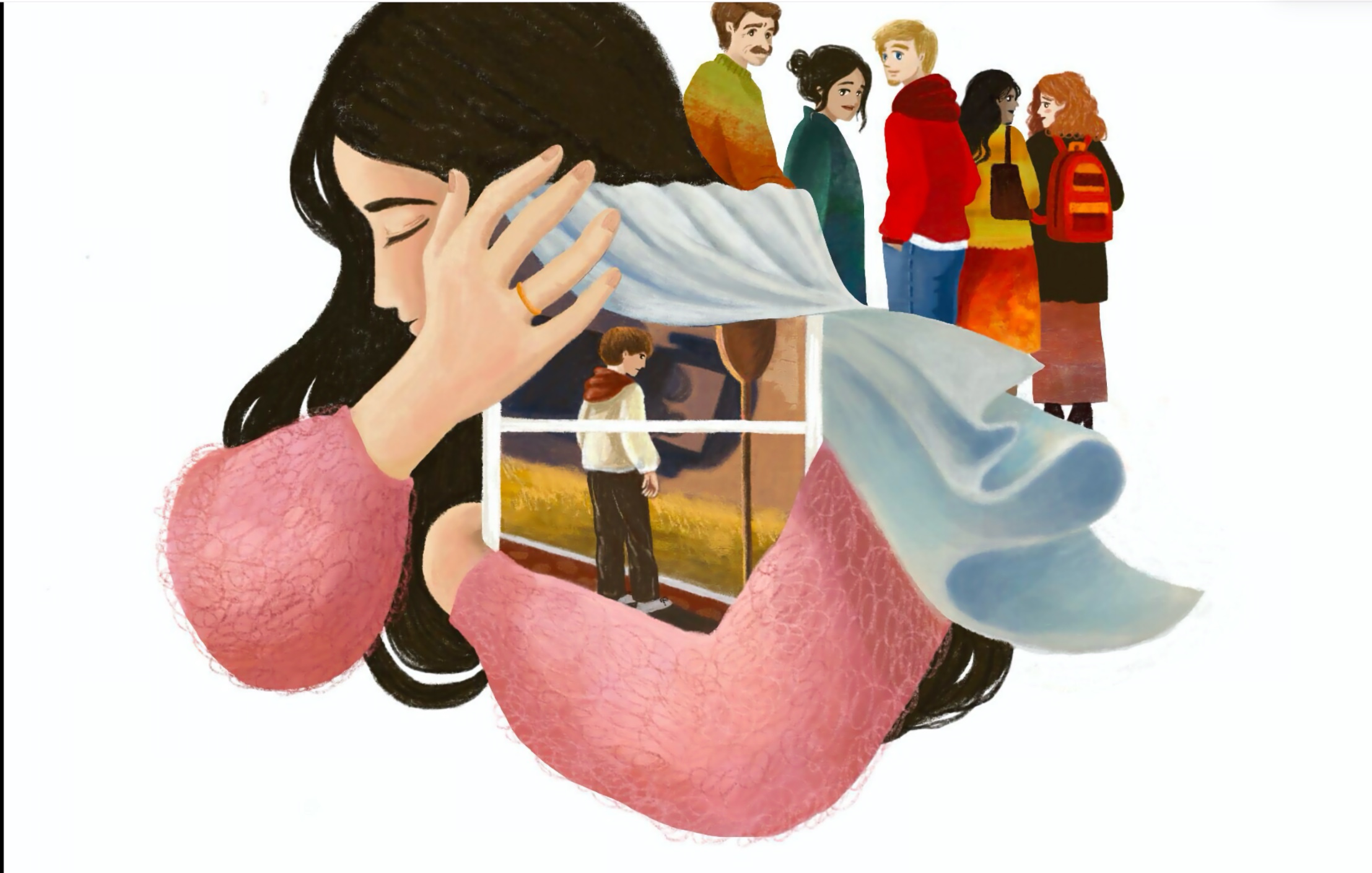
  • An editorial illustration accompanying the first-person essay by Tina Michaelidis, published in The Globe and Mail on April 20, 2026, depicting a mother's anguish as her child stands apart while the surrounding community turns away.

    My autistic son is different but not dangerous. I hope strangers can see that

    New

    A 16-year-old autistic teenager in Toronto stands on the sidewalk outside his home each afternoon to wait for his younger sister. Most neighbors know him and greet him warmly. But when a stranger approached the local crossing guard demanding to know about him and declared her intention to contact the police, his mother felt the earth drop out from under her. A boy doing nothing but loving his sibling in his own neighborhood had been read as a threat. He could have told the stranger his name, his address, and exactly why he was there. But the stranger never asked. People with Disabilities are profoundly misunderstood and face greater vulnerability to misinterpretation, and Community Builders striving to create Vibrant, Diverse, Inclusive, Accessible Communities must make sure autistic people standing on their own sidewalks are met with recognition rather than a police call by removing barriers so People with Disabilities belong without fear.

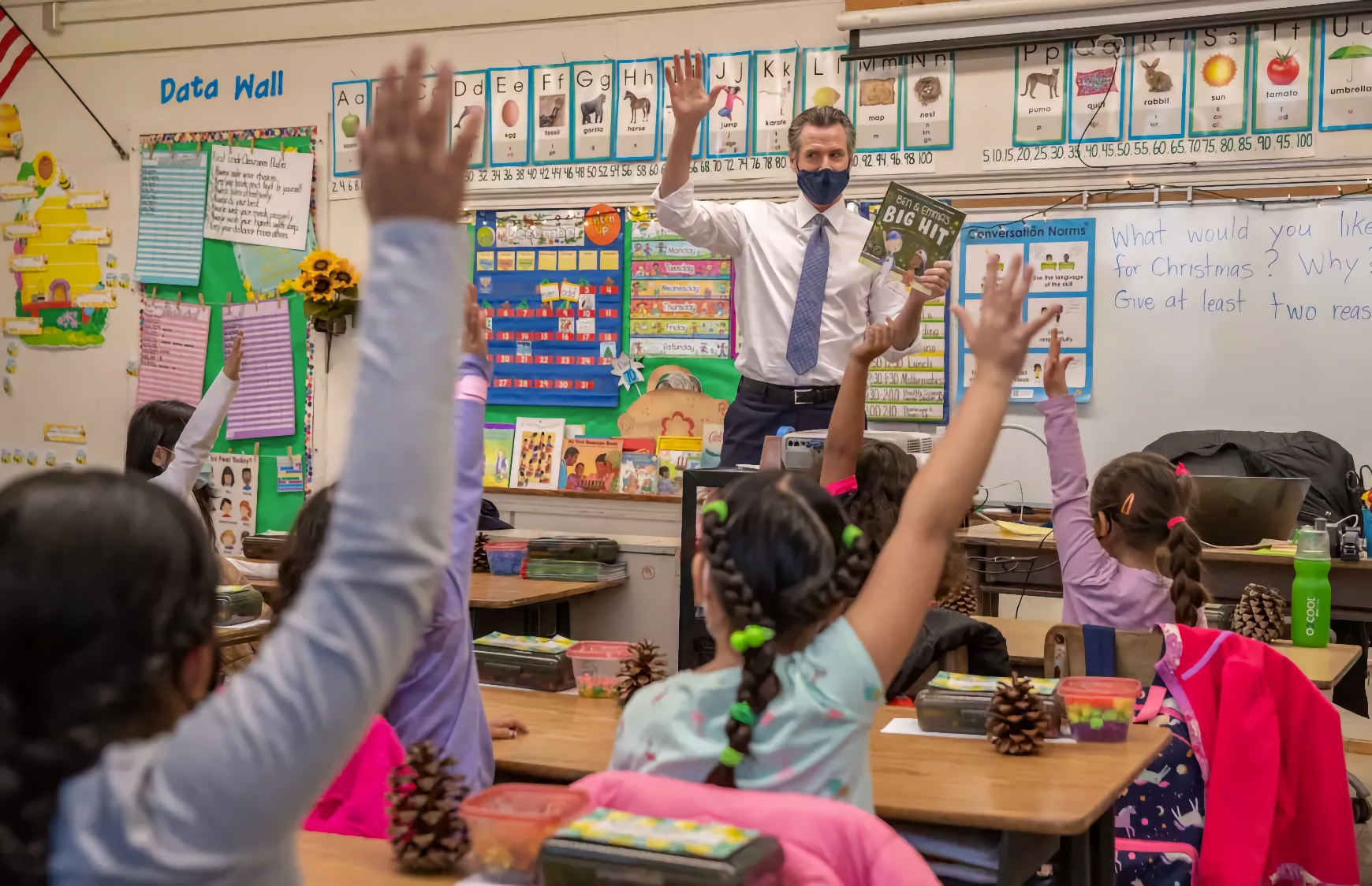
  • Gov. Gavin Newsom speaks to students about dyslexia at Arminta Elementary School in North Hollywood

    Richard Branson on how his dyslexia has helped him innovate

    New

    People with dyslexia continue to face school systems designed around a single model of learning that treats their cognitive difference as a defect, as documented by Richard Branson, who left school at sixteen after educators repeatedly dismissed his potential, and David Dillard, who went undiagnosed well into adulthood. Far from being a professional barrier, the cognitive approaches of dyslexic thinkers, including the capacity to perceive angles others overlook and to connect ideas across domains, are among the strengths that grow most valuable as artificial intelligence reshapes every field. Yet roughly one in seven students may have a learning disability, and public schools remain under-resourced to fully serve them, which is why Community Builders must take action to remove these educational barriers and treat equal access to quality learning as a shared responsibility.

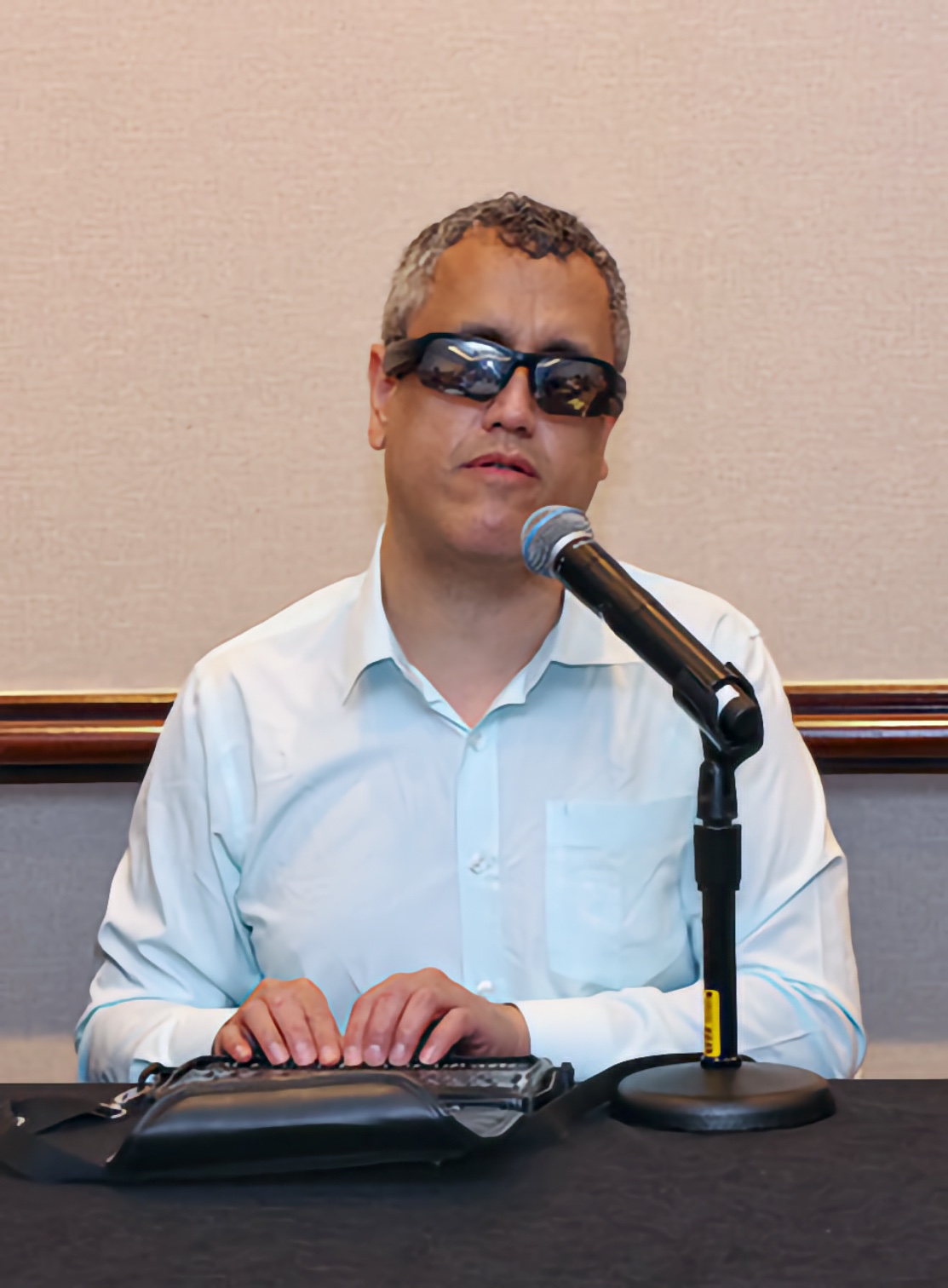
  • Cary Supalo, a Blind chemist and founder of Independence Science, presents at the 2025 American Astronomical Society national meeting in Anchorage, Alaska, as part of the panel discussion on sharing astronomy with Blind and Low Vision audiences.

    My Walk with Astronomy as a Blind Scientist

    New

    Cary Supalo's account follows his path from a Blind fourth grader in Joliet, Illinois, who built a tactile solar system from burlap and Styrofoam and followed planetarium narration in his mind, through a half day Space Shuttle simulation in Huntsville with Braille labeled controls and tactile documents, to a mature Blind chemist calling for modern planetariums to stop sidelining descriptive narration and to adopt the accessible tools already available, including refreshable tactile displays (RTDs) carrying real time data from the National Aeronautics and Space Administration (NASA) and global space agencies, scaled physical models, raised line drawings, and tactile graphics. His central claim is that Blind scientists and engineers must be empowered to contribute meaningfully to astronomy and science, technology, engineering, and mathematics (STEM), not simply inspired, and that their work must not be reduced or pushed aside as humanity pushes deeper into lunar and Martian exploration. Providing accessible materials for Blind people in every educational and scientific setting is the minimum condition for a community that takes inclusion seriously.

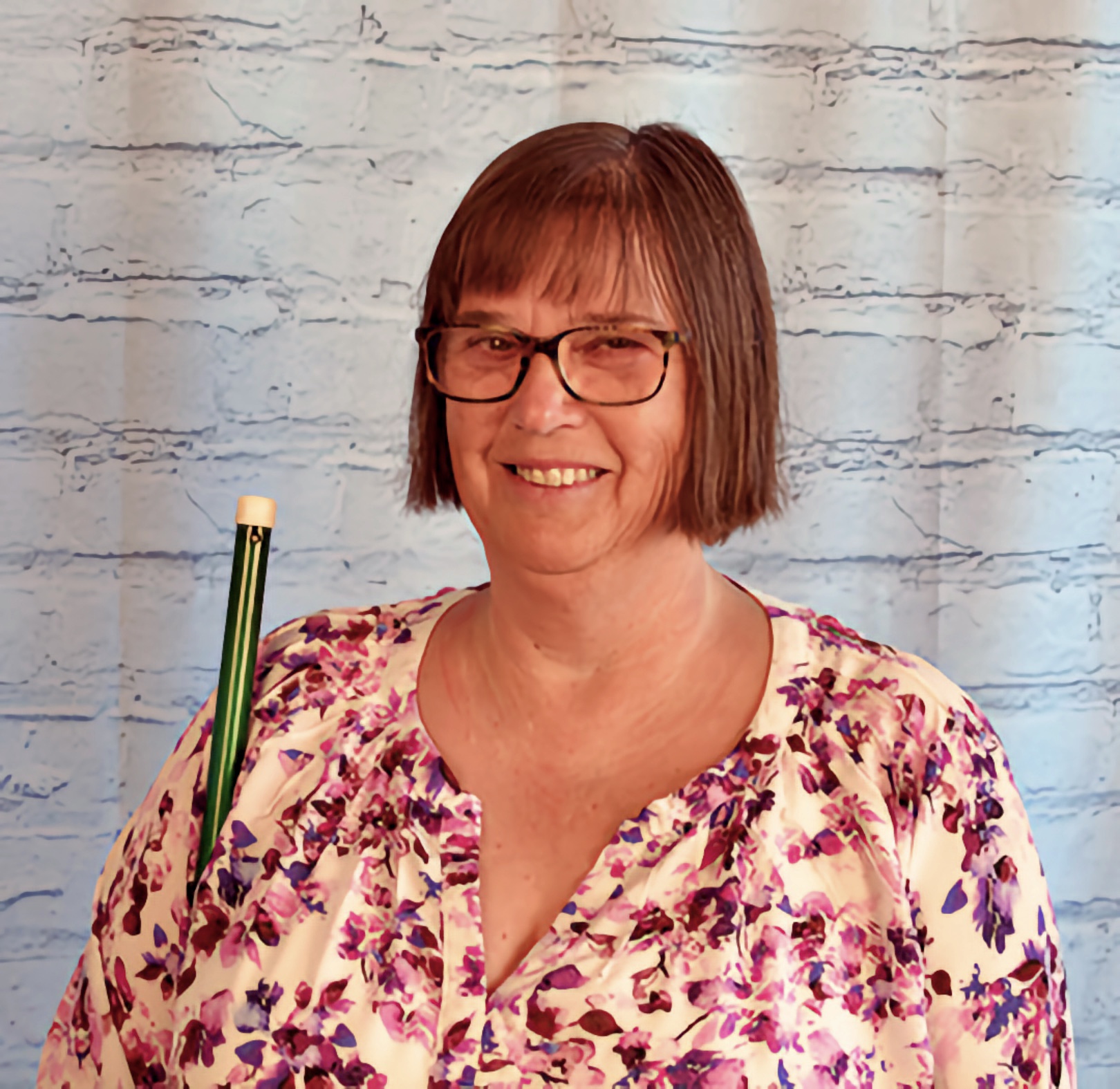
  • Catherine Samuel, Director of Disability Resources at Carnegie Mellon University (CMU), pictured as the author of this Braille Monitor article.

    Finding Your Caregiving Superpower: Reflections from a Blind Caregiver of a Parent with Dementia

    New

    Blind People are entirely capable of serving as full caregivers, as Catherine Samuel, fully blind since birth and director of disability resources at Carnegie Mellon University (CMU), demonstrates through her role managing her mother's financial affairs from several hundred miles away. Using online banking platforms, transaction alerts, and access technology tools including Be My Eyes, Seeing AI, and AIRA, she organized accounts, detected fraud, and protected assets, while her sighted brother managed medical matters nearby. The caregiving range available to Blind People who draw on technology and a lifetime of skills built for navigating the world extends from medical advocacy and medication management to independent pharmacy errands and home meal preparation. The strongest caregiving is always a collaborative effort: each person contributes from their real strengths, and together they build the kind of intentional, shared community that makes genuine belonging possible for People with Disabilities.

  • Blueprint and coffee mug illustration from "While AI is building the web faster than ever, accessibility can't be left behind," a Digiday sponsored article by Chad Sollis for AudioEye, published April 9, 2026.

    While AI is Building the Web Faster Than Ever, Accessibility Can't Be Left Behind

    Updated

    Artificial intelligence (AI) technology has dramatically compressed the time to publish web content, but every page that ships without accessibility built in adds to the exclusion that People with Disabilities already face, and data from an AudioEye examination of more than 15,000 websites shows the average page carries 297 accessibility barriers even at organizations actively investing in accessibility. More than half of organizational leaders claim to champion accessibility, yet the experiences they publish continue to exclude People with Disabilities because accessibility is treated as something to address after launch, after campaign, after complaint — a pattern AI has amplified rather than created. Applying to accessibility the same continuous operational discipline that drives search engine optimization (SEO), performance and brand safety, combining automated scanning with human expertise given that automated tools capture no more than roughly two thirds of all barriers, has driven 61% of committed organizations to report a measurable competitive advantage and enabled digital experiences that serve People with Disabilities equitably.

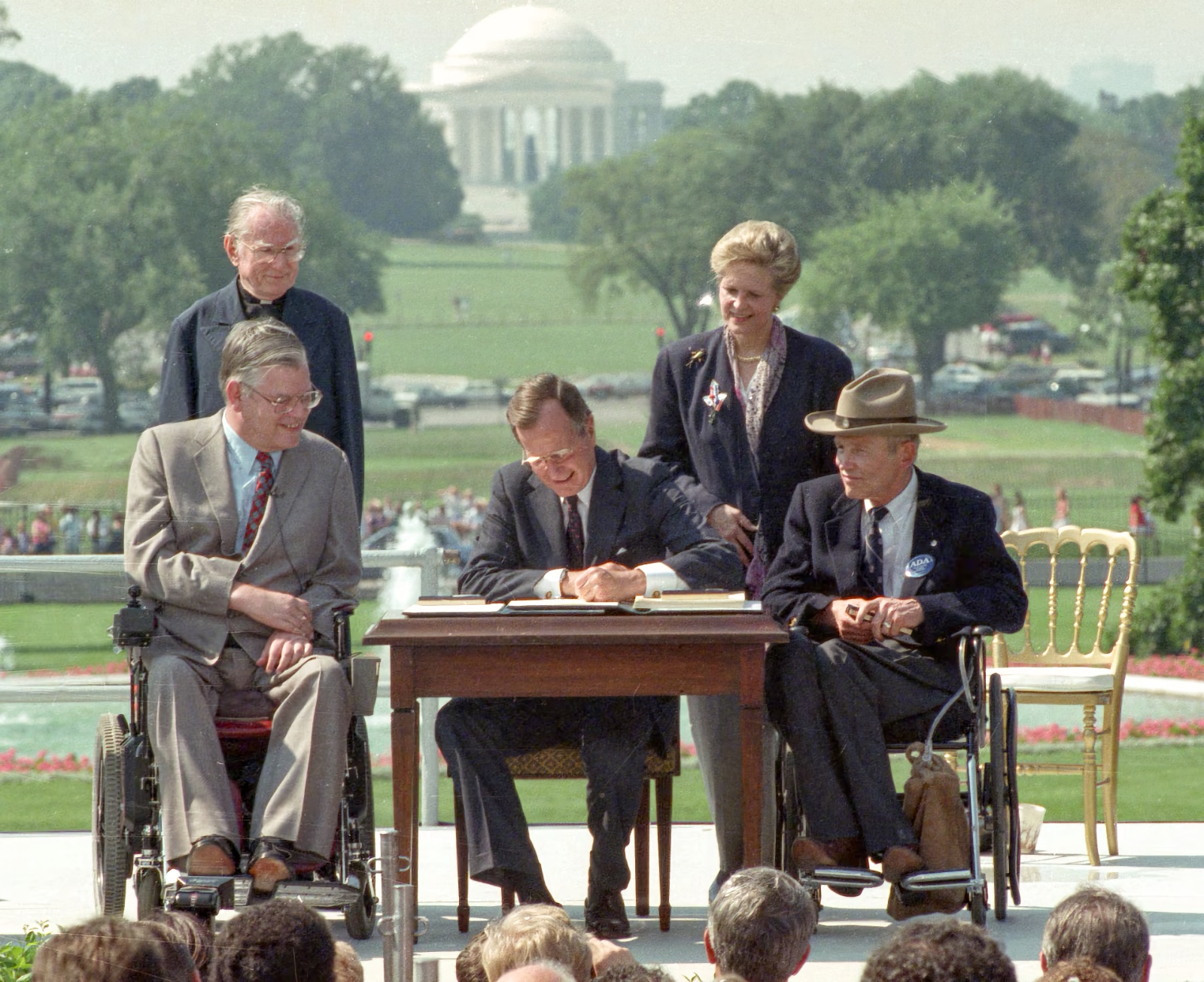
  • The July 26, 1990 signing of the Americans with Disabilities Act. Thirty-four years later, state and local governments are asking to keep those digital doors closed longer — even after 14 years of public process and nearly 1,000 comments from stakeholders produced the regulatory clarity they had spent years requesting.

    Thirty-four years is long enough to make government websites accessible

    New

    The Americans with Disabilities Act (ADA) has required state and local governments to ensure their communications with People with Disabilities are "as effective as" communications with nondisabled individuals for more than 30 years — a mandate that includes the internet and mobile applications. Yet after decades of delay and a 14-year public rulemaking process producing nearly 1,000 stakeholder comments, those same governments are asking for still more time, now pursuing an interim final rule that would take effect without public input. For a Blind college student who cannot submit an assignment because a university website is inaccessible, or a resident with a disability unable to apply for benefits, pay taxes, or access public records, inaccessible websites mean exclusion from essential services — and for millions of Blind People and other People with Disabilities, it is past time to fulfill the promise of the ADA in the online world.

  • Latina mothers engage in discussion during a community organizing event in Nebraska, hosted by Corazones Azules. The event is centered on removing barriers and fostering a vibrant, inclusive environment for children with disabilities. In the background, families work together, with children actively helping out, underscoring the collective spirit of the gathering, which is further highlighted by the presence of a colorful food truck.

    Latina mothers in Nebraska join local police to make life safer for children with disabilities

    Updated

    In Nebraska, Latina mothers are collaborating with local police through the Project Lifesaver initiative to enhance safety for children with disabilities. This partnership focuses on removing barriers to ensure that children with disabilities can fully participate in their community activities. Project Lifesaver provides children with specialized tracking bracelets that emit a signal, helping emergency responders locate them quickly if they wander away. This critical tool addresses safety concerns and ensures that these children are included in their communities without unnecessary risks.

  • Harold Rogers and Miranda Lacy graduated with honors from West Virginia State University. They went on to file a lawsuit with assistance from the National Federation of the Blind, claiming West Virginia University systematically denies Blind students equal access to an education.

    These blind students say their college blocked their education. A new rule could help

    New

    Miranda Lacy and Harold Rogers became fast friends during their undergraduate years. Both students are Blind and say learning materials, from course modules to readings for class, have been inaccessible to them at West Virginia University (WVU). Many documents are not compatible with a screen reader, which is software that translates what is visually represented on a webpage into audible speech. Rogers opened a PDF from one of his classes: a word in the title had an extraneous gap, so the automated voice of the screen reader said "misspell, misspell, misspell," as if it's repeatedly walking into a virtual wall. Rogers navigated down to an image of a chart. "Unlabeled text box, unlabeled image, page break," the reader said. Both students say they have encountered dozens of inaccessible documents in a single semester, and that they have spent more time troubleshooting their education in the past three years than actually learning. Digital accessibility is a major barrier for Blind students and other Students with Disabilities. It is an ever-changing landscape that often isn't designed with disabilities in mind.

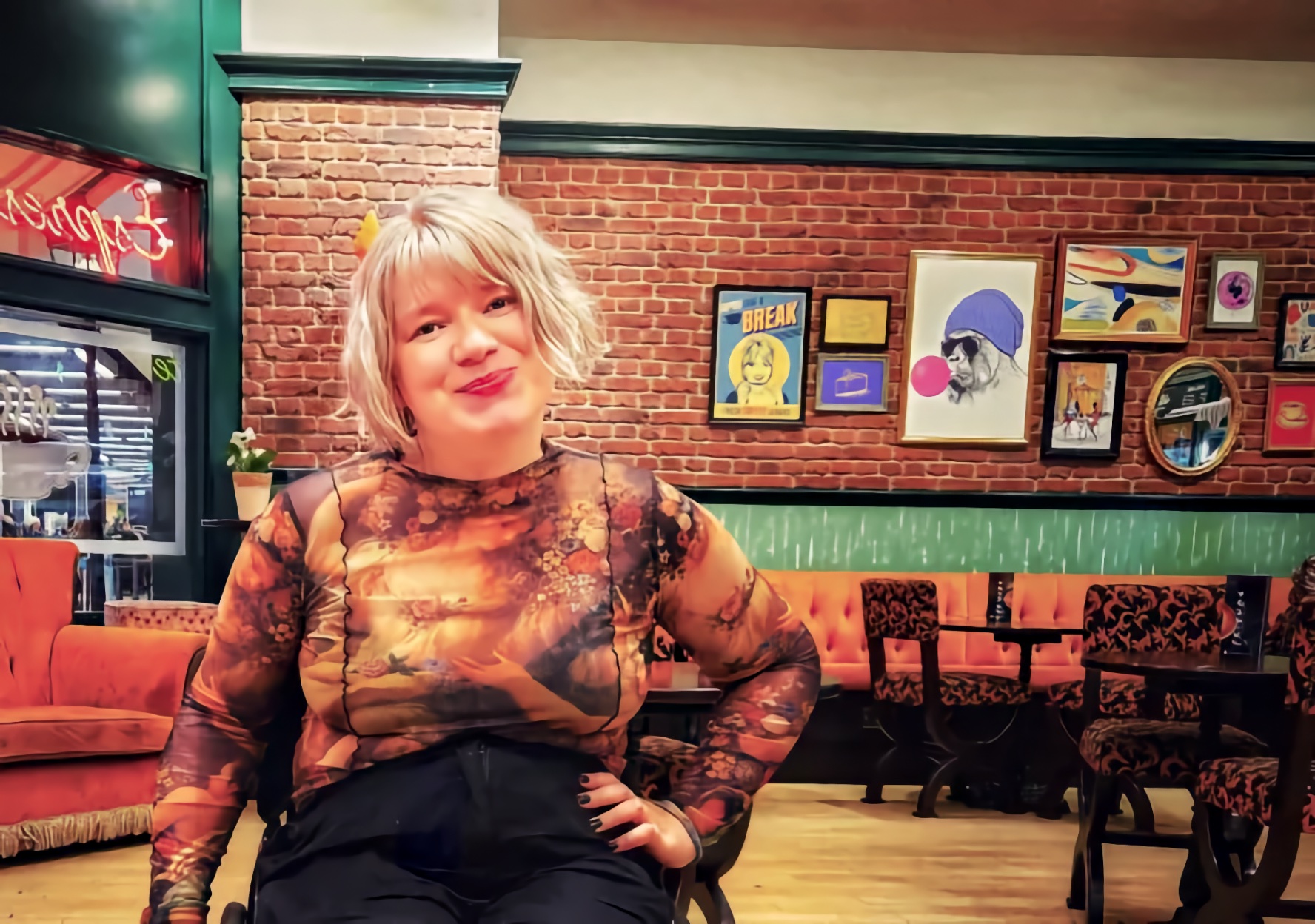
  • Melissa Parker, who has had cerebral palsy since childhood and uses a wheelchair, writes about being called "wheelchair-bound" at her university graduation and the exhausting toll of facing insensitive language every time she leaves the house or goes online.

    People feel entitled to comment on my disability – it's exhausting

    New

    At her university graduation, Melissa Parker, a wheelchair user, was making her way toward the stage to receive her degree when a woman organising the event casually called her "wheelchair-bound." Those words hung in the air. Simple and unthinking, they struck her deeply. Her thoughtless words made Parker feel so small and exposed. Parker didn't respond, and just collected her certificate as if nothing happened. Yet every time she leaves the house or goes online, Parker braces herself for insensitive language. It's exhausting. The term "wheelchair-bound" makes the wheelchair she's had since…

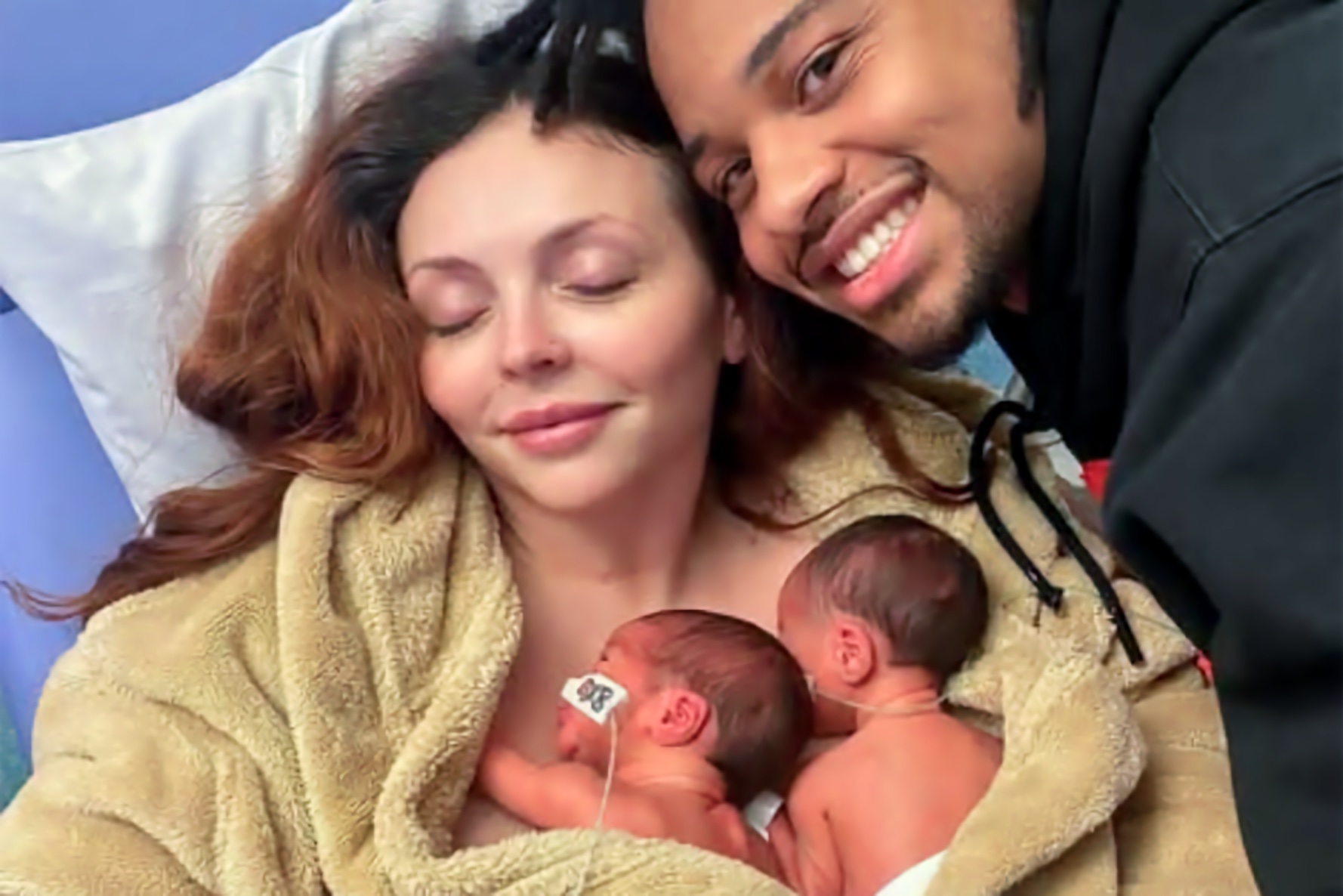
  • Jesy Nelson and her partner with their twin daughters, born prematurely at 31 weeks; both girls were later diagnosed with Spinal Muscular Atrophy Type 1 (SMA1), a genetic neuromuscular disease, and require feeding tubes.

    Jesy Nelson and the truth about bringing up a child with a disability in a world obsessed with 'perfect' parenthood

    Updated

    The voices and experiences of parents of children with disabilities are often diminished in a social media world that promotes the perfect parenthood myth — even the more honest portrayals of parenthood tend to do so through a very limited, very middle-class lens; recently, high-profile parents have made that barrier visible, including Jesy Nelson, whose Amazon documentary detailed her twin daughters' premature birth, with both girls now diagnosed with Spinal Muscular Atrophy Type 1 (SMA1), a genetic neuromuscular disease meaning they may never walk, and Katie Price, who has expressed fresh concerns for her son, who has rare genetic conditions causing severe weight management issues and low vision.

  • Tom Jenkins, advocate, entrepreneur, and founder of HandiMall, writes from lived experience that People with cerebral palsy are turning employment barriers into platforms for innovation — and that recognizing their full potential begins with removing the barriers society places in their path.

    People with cerebral palsy need society to see their potential

    New

    Every March, social media fills with messages recognizing National Cerebral Palsy Awareness Month. To many people, it may seem like just another awareness campaign. But for the millions living with cerebral palsy and the families who love them, it represents something much deeper: visibility, understanding and the hope for a more barrier-free and accessible future. Oklahoma is no exception. It's estimated that 691,000 people in the state have at least one disability. Based on a population of nearly 4 million and applying the national prevalence rate of about 3 cases per 1,000 people, it is estimated that roughly 12,000 Oklahomans are affected by cerebral palsy. My childhood came with barriers like extra doctor appointments, physical hurdles and a world that wasn't always built for someone like me. Still, when I went across the stage at my college graduation, diploma in hand, I felt like I had finally moved past those barriers. I believed graduating with honors proved that perseverance could carry me through anything. Soon after, though, I faced a harsh reality. Opportunity doesn't always follow achievement. And the job market wasn't always ready to see past my disability.

  • Many Minnesota schools still use seclusion rooms for students

    New

    More than 50 Minnesota school districts are confining students with disabilities in seclusion rooms — a practice banned or extremely limited in 21 states — and this largely hidden system has persisted precisely because it affects a small number of students and remains mostly hidden from the general public. The Minnesota Disability Law Center (MDLC) set out to document the state's seclusion rooms for the first time, photographing more than 80 of them and documenting their locations in a report titled "Children in Confinement: Seclusion in Schools." The 50 school districts maintain 194 registered seclusion rooms across 100 school buildings across the state. "I think the average person does not know this is happening in their schools. When they see the rooms and they find out how they're used, the average person is appalled and is very upset and curious as to why this antiquated and traumatizing practice is still allowed in our schools," said Jessica Heiser of the MDLC. "Nobody wants their kids in one of these rooms. As a parent, I cannot look at this room and say in good grace that there is a single child that deserves to be locked in a cinder block room in a school," Heiser said.

    This egregious problem also exists in many other parts of the country:

  • Disability advocates and service providers rally in Annapolis, Maryland on February 3, 2025, opposing proposed cuts to the Developmental Disabilities Administration that would strip critical services and access for People with Disabilities.

    The Harsh Truth About Disability Inclusion

    New

    Disability advocates have fought to break down barriers, to be seen, valued, and included—not as a charity case, not as a box to be ticked, but as equal contributors to society. There are 8 billion people on this planet—more than 1.3 billion of them are People with Disabilities. People with Disabilities are not a minority. When inclusion policies were first introduced, they were meant to level the playing field—to recognize marginalized communities and create opportunities that had long been denied. But somewhere along the way, the process became diluted.

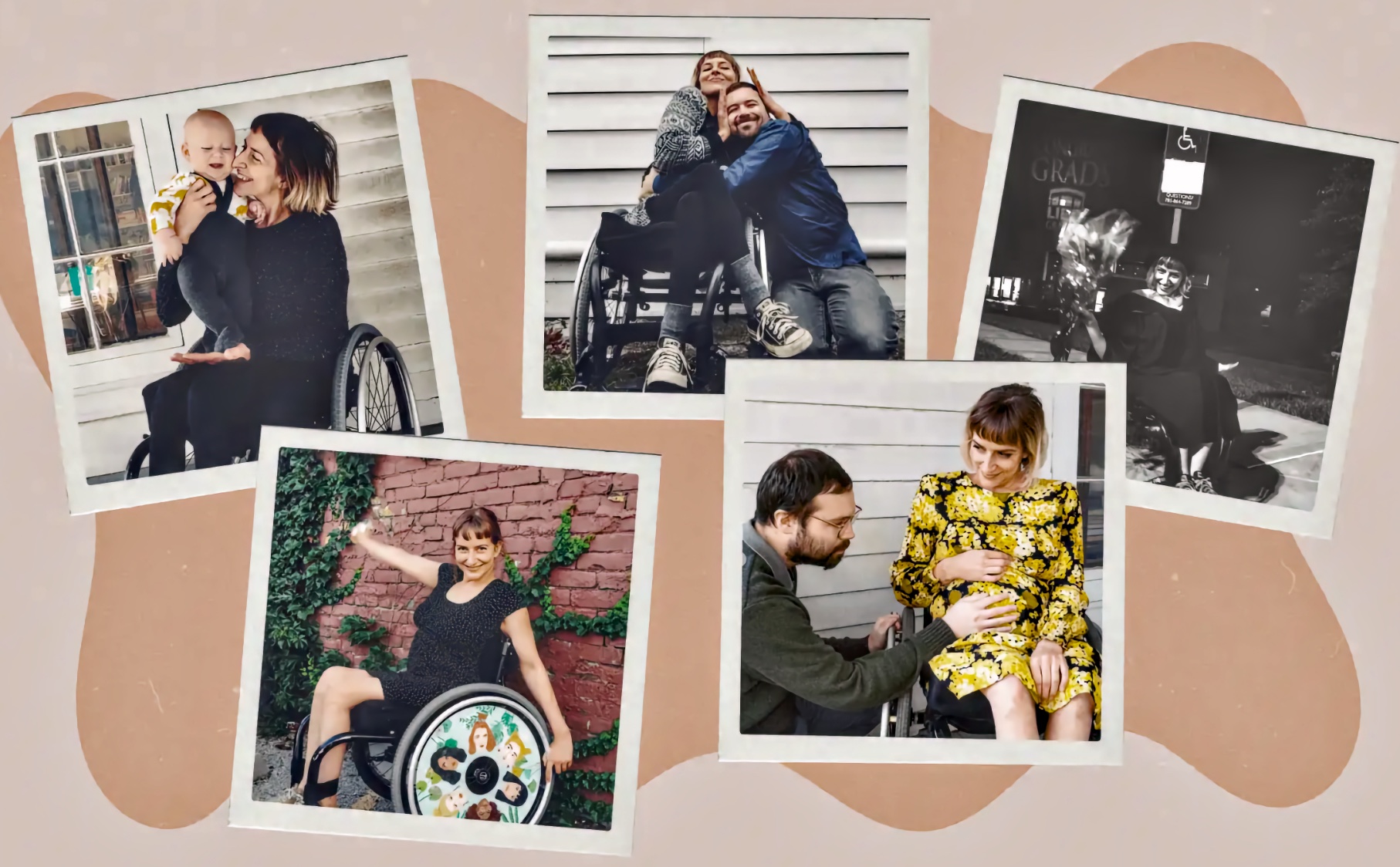
  • Author Rebekah Taussig's personal photo collage, shared in her Time essay, shows her life across multiple contexts — as a mother, partner, and individual — with her wheelchair present and integral in every frame.

    I'm a Disabled Woman. Is That My Brand?

    New

    Taussig started using a wheelchair when she was 6 years old, and when she discovered disability studies in her late 20s during graduate school, she understood, for the first time in her life, disability as an identity — and this changed everything. She started creating what she called "mini-memoirs" on social media that brought readers into her firsthand experience of disability: the feeling of being stared at as she grips the side of her car, of being prayed over by strangers for her healing, of realizing as a little girl that none of the princesses looked like her. She started to understand the wheelchair as part of her brand — the image people recognize as they scroll — and over time rarely deviated from posts directly tied to disability; even if it wasn't at the center of the story, she made sure to connect the dots with a bold line for readers. She claims the titles disabled mother and disabled writer joyfully, yet reflects that brands aren't meant to capture every layer — they're curated — and as a collection, her posts inevitably drew a portrait missing some dimension.

  • Peggy Chong, known as the Blind History Lady, has twice received the National Federation of the Blind's (NFB) Dr. Jacob Bolotin Award for her research and writing documenting the histories of blind people.

    Divorce Me

    New

    When an explosion during a training exercise he had led at Camp Lejeune in February 1944 took the sight of Marine Lieutenant Thomas Hasbrook, ableist assumptions about blind people closed in immediately. Tom himself had absorbed the belief that blindness excluded him from meaningful work and contribution, and he told his wife of eleven months, Mary Jane, to divorce him — for perhaps the hundredth time. Mary Jane refused every time. Rather than accept those barriers, she brought a typewriter to the hospital and taught him to type. His mother began learning Braille herself and taught Tom as she…

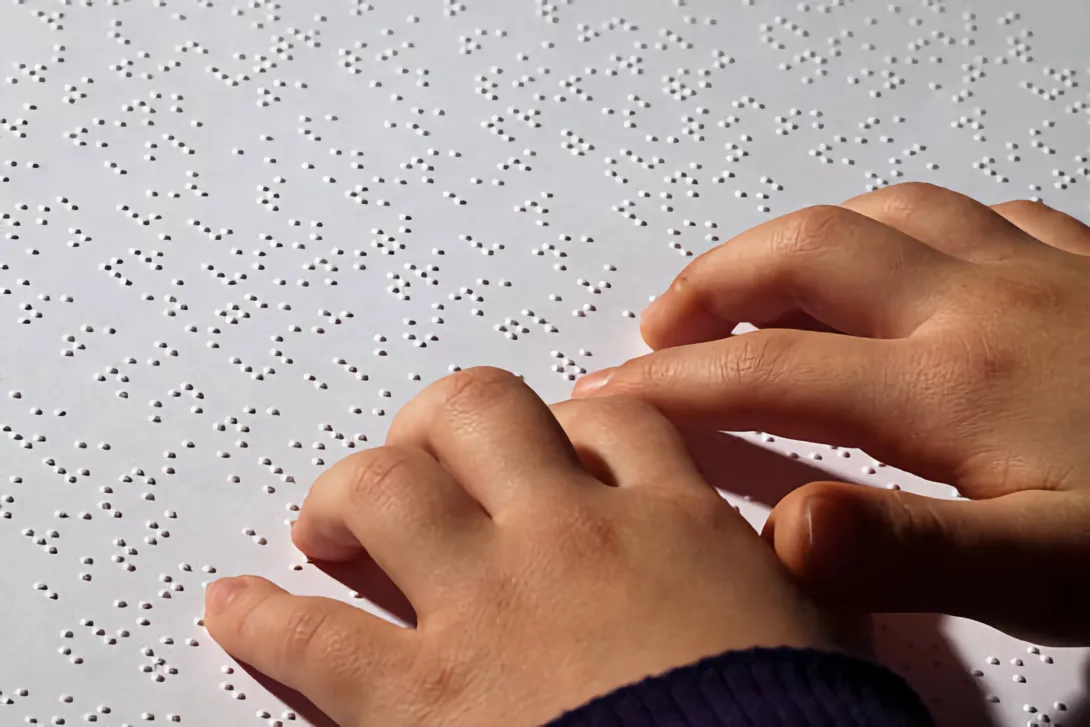
Child hands reading Braille

Accessible materials are imperative and should always be prepared in advance so they are available at the same time as everyone else. Braille is fundamental to literacy!  However, accessible materials should be provided for Blind or Low Vision participants in their own preferred format.

Question: Is this example of inclusive practices the norm in your community? If not, what barriers need to be removed which prevent inclusive and welcoming participation?


"The challenge facing the friends serving at the grassroots is essentially the same in every place. They must be able to read their own reality and ask: what, in light of the possibilities and requirements at hand, would be fitting objectives to pursue in the coming cycle or series of cycles?"  -- December 30, 2021 UHJ to Conference of Counselors Introducing Nine Year Plan


Explore More Compelling Insights:

Learn about topics related to People with Disabilities, Accessibility, Anti-Ableism, Removing Barriers, and the Disability Community? Tap the Explore button to discover something new and intriguing with each tap!