
Striving to remove barriers that prevent us from building Vibrant, Diverse, Inclusive, Accessible Communities!
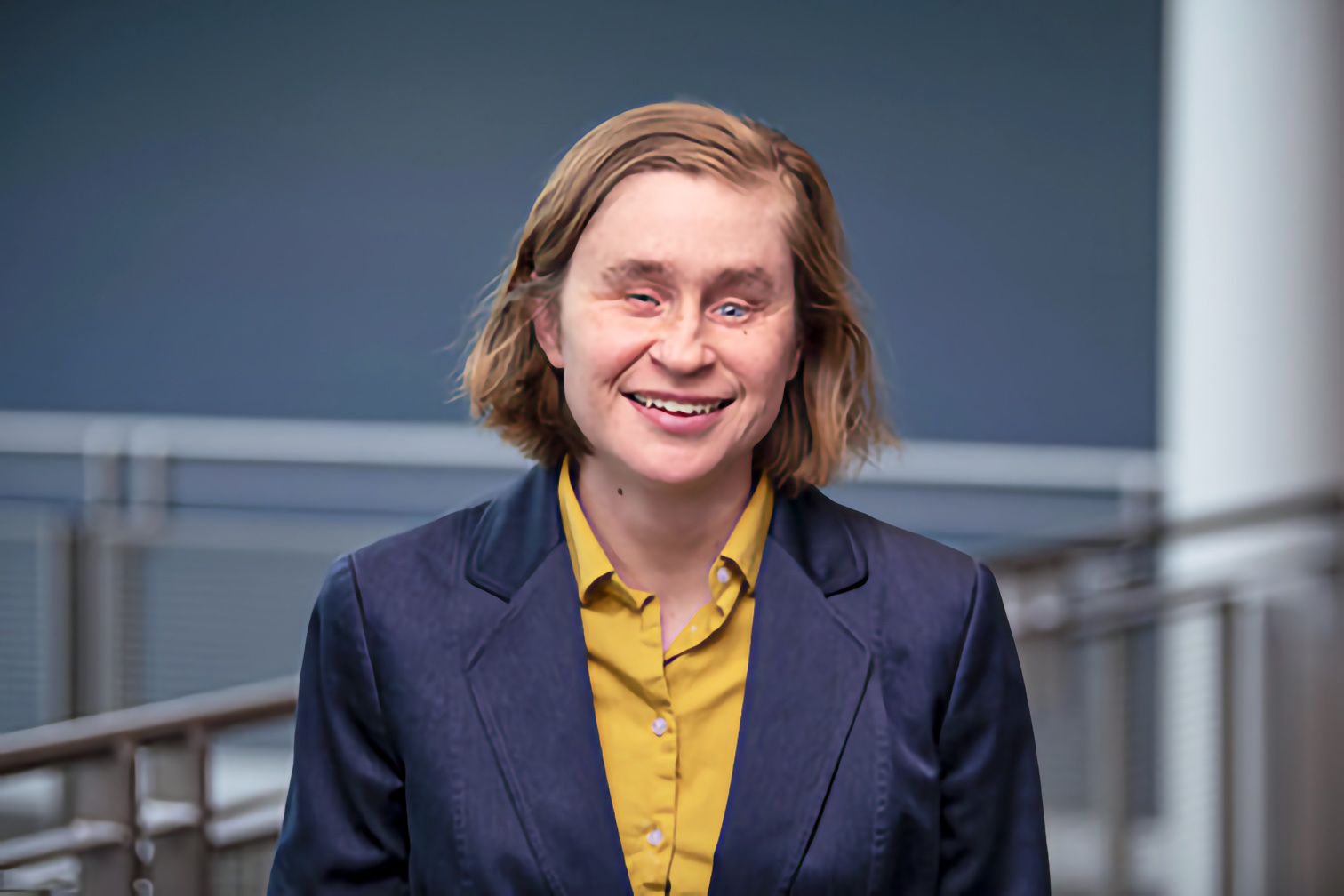
Blind People are persistently cast in our culture as people who receive care, not as contributors who organize and lead when loved ones require care. Catherine Samuel, fully Blind since birth and director of disability resources at Carnegie Mellon University (CMU) in Pittsburgh, Pennsylvania, upended this expectation when her family had to organize care for her mother, who had received a dementia diagnosis. Although her sighted brother lives in Virginia, where he handles medical matters at close range, Catherine accepted financial responsibility for her mother's welfare from several hundred miles away. Her mother made this assignment while her cognition was still strong enough to do so, and Catherine's skillful execution of it directly refutes the outdated assumption that Blind People depend on others rather than lead and contribute.
Online financial platforms and access technology proved to be powerful tools for Catherine as a financial caregiver. After establishing access to her mother's accounts at multiple financial institutions, she created a unified digital picture of all the assets, configured automatic bill payments, and set up transaction alerts. When those alerts revealed suspicious withdrawals and financially harmful activity that her mother's deteriorating judgment had permitted, Catherine moved swiftly to contain the damage. She also repositioned her mother's available funds into accounts designed to both protect and grow the assets, sharply limiting her mother's vulnerability to fraud. Because maintaining digital organization comes naturally to many Blind People, Catherine already possessed the electronic record keeping discipline that made remote financial caregiving genuinely effective.
The scope of what Blind People can do as caregivers extends well beyond managing money. Blind caregivers can coordinate rideshare transportation for a loved one who can no longer drive, guide them through the paratransit enrollment process drawing on their own direct familiarity with it, and bring focused listening and note taking into medical appointments. Access technology tools including Be My Eyes, Seeing AI, and AIRA (a remote sighted assistance platform) enable Blind People to read product labels and organize medications at home. A white cane or guide dog harness provides the mobility to run independent errands, including trips to the pharmacy. Grocery delivery platforms and home meal preparation are also fully within reach for Blind caregivers. The breadth of this contribution rests on the skills and technology fluency that Blind People build throughout a lifetime, an expertise that transfers directly into every caregiving role.
No caregiver, Blind or sighted, is expected to handle every part of a loved one's care entirely alone. Catherine's experience makes clear what becomes possible when each family member commits to what they are genuinely positioned to do and draws on others for the rest. While her brother handled the matters that his proximity to Virginia made possible, she managed her mother's finances through careful digital organization and advance planning. When her mother's belongings needed packing and transport, Catherine arranged for a college student to handle the physical work on site. This honest division of labor, built on genuine self awareness and active collaboration, is precisely the model that allows Blind People to serve as full caregiving partners, and it is the same model that Community Builders embrace in creating Vibrant, Diverse, Inclusive, Accessible Communities where People with Disabilities participate without barriers and contribute from genuine strength.
We should see Blind People in our families and communities as caregivers who organize and lead, not only as people who receive care. Families should divide caregiving by what each person is positioned to do, and draw on others for the rest. Caregiving partnerships that draw on the skills of Blind People would move us toward Vibrant, Diverse, Inclusive, Accessible Communities for People with Disabilities.
Every family gains when each member can lead in the way they are best placed to.
Read the Full Article: Finding Your Caregiving Superpower: Reflections from a Blind Caregiver of a Parent with Dementia.
By: Catherine Samuel
Questions for Reflection
- Where do we picture Blind People in our community as receiving care rather than giving it?
- How could families near us divide caregiving by what each person is best positioned to do?
- Which tools, such as banking alerts or rideshare apps, could a caregiver in our community use from a distance?
- Who in our community knows the local paratransit enrollment process from their own experience?
- How could we welcome Blind caregivers as full partners in medical appointments and family decisions?
