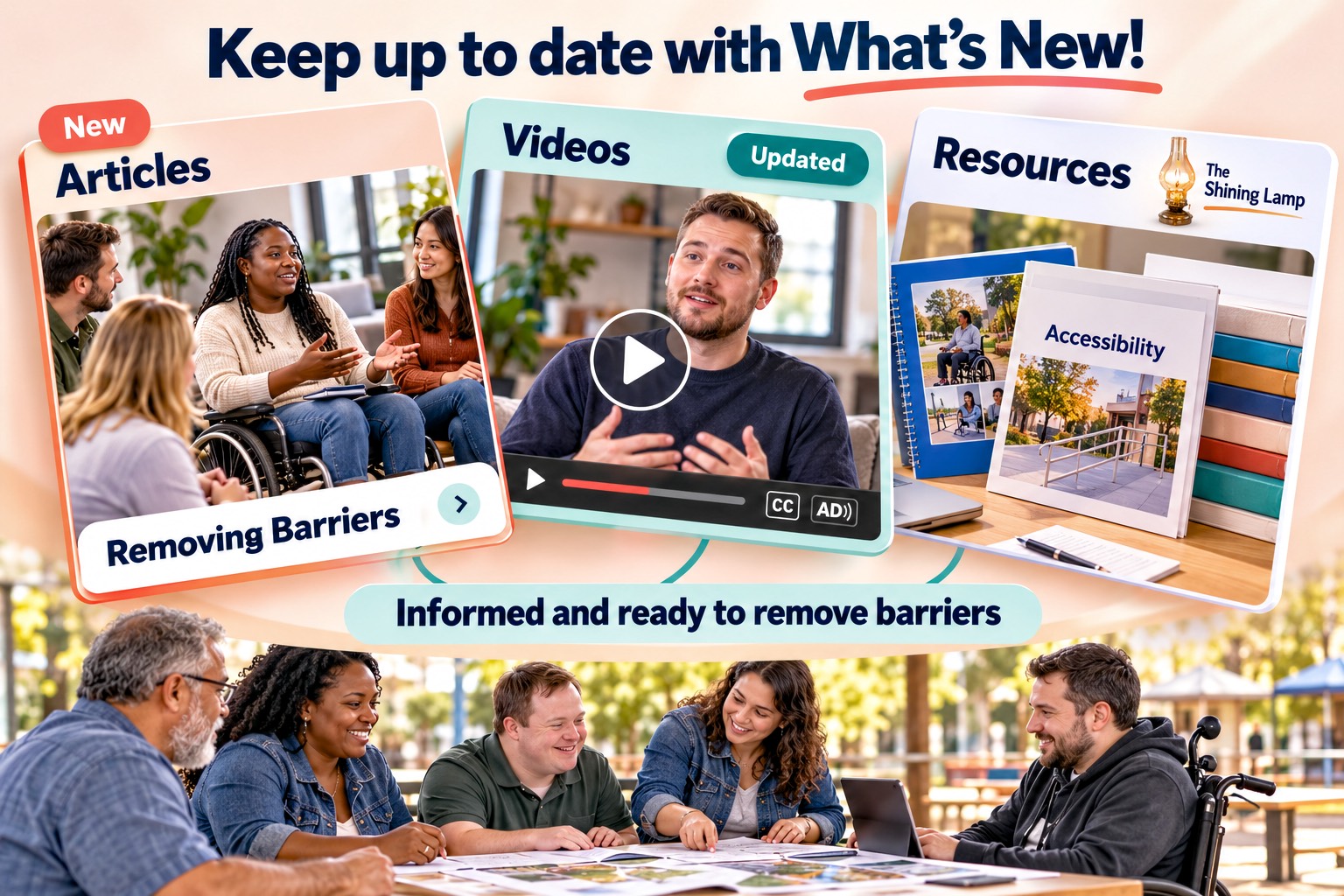


Infographic headed “Keep up to date with What’s New!” features article, video, and resource previews marked “New” and “Updated.” Below, a diverse group, including a wheelchair user, reviews materials together beneath the message “Informed and ready to remove barriers.”

What's New and Updated at The Shining Lamp?

Latest updates

  • This is the exhibit John Olson points to when he asks what a local aquarium offers a guest who is Blind. Built at full size, 53 inches from snout to tail, and installed at the ECHO Leahy Center for Lake Champlain, it lets a visitor find the fish instead of being told about it.

    What happens when aquarium exhibits become tactile?

    New

    Science centers and museums have largely started setting out items a visitor who is Blind can handle, and Tactile Images asks the obvious next question: what is there to touch at the local aquarium, where the whole exhibit is built on looking through glass? At the ECHO Leahy Center for Lake Champlain the company's answer is a lake sturgeon built at full size, 53 inches long and raised clear of the scene behind it, with braille text and labeled buttons beside its tactile displays so a Blind reader opens each subject directly rather than receiving it secondhand, while more than 285 million Blind People and People with Low Vision still meet collections arranged for the eye alone. The same question falls on every slide deck, display board, chart and handout Community Builders design and present, because Community Builders carry the work of removing barriers as a shared responsibility, owned personally by each of us and enacted collectively through decisions made in consultation with People with Disabilities, so ask the Blind People in your community what belongs on the table before you build the next presentation, and let them answer in their own words.

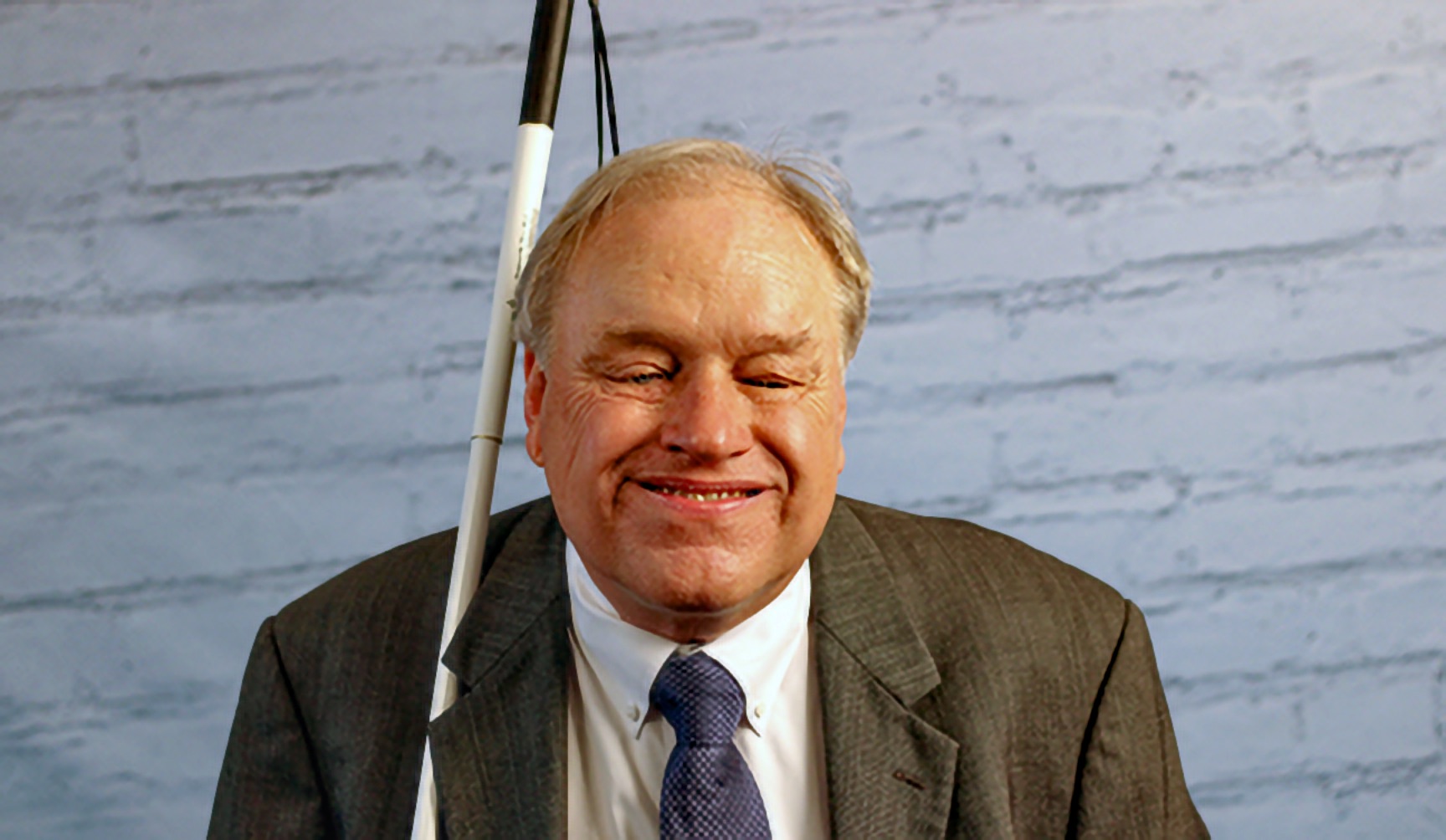
  • Gary Wunder, who asks the public to set assumptions aside and let Blind People define for themselves what respect and partnership mean.

    The Golden Rule, the Platinum Rule, and the Right to Speak for Ourselves

    New

    Gary Wunder argues that the familiar rule of treating others as you would wish to be treated reaches its limit the moment a sighted person pictures blindness from the outside and acts on that picture, grabbing an arm, ordering a meal, or keeping back information a Blind person should have had. The rule he offers alongside it, treating people the way they say they wish to be treated, calls for asking rather than presuming, and it matters far beyond courtesy, because schools that spare Blind students the work classmates receive, employers who read blindness as incapacity, agencies that leave Blind People reliant on them, and companies that ship products no Blind person can operate all cause real damage while believing themselves reasonable. Wunder's answer is that Blind People belong at the center of every decision about their own lives, and Community Builders meet that obligation by treating inclusion and accessibility as shared responsibilities carried out in consultation with People with Disabilities rather than delivered to them.

  • Matthew De Meritt, who was 12 when he performed inside the E.T. costume alongside Tamara De Treaux and Pat Bilon, and who is 56 years old today.

    E.T. Came To Life On Set Because Of A Young Actor With A Disability

    New

    The alien at the center of E.T. The Extraterrestrial was brought to life on set by three performers who could physically occupy the costume: Tamara De Treaux and Pat Bilon, both Little People, and Matthew De Meritt, who was 12 and had been born with no legs and who has moved on his hands his whole life. What is usually presented as a disadvantage he carries turned out to be the exact answer the filmmakers required to put the alien on camera for real, which shows that the barrier has never been his way of moving but the assumptions built around it. Matthew De Meritt is 56 years old today and this is only now reaching a wide audience, which leaves Community Builders with the work of naming and crediting the People with Disabilities whose contributions we already admire.

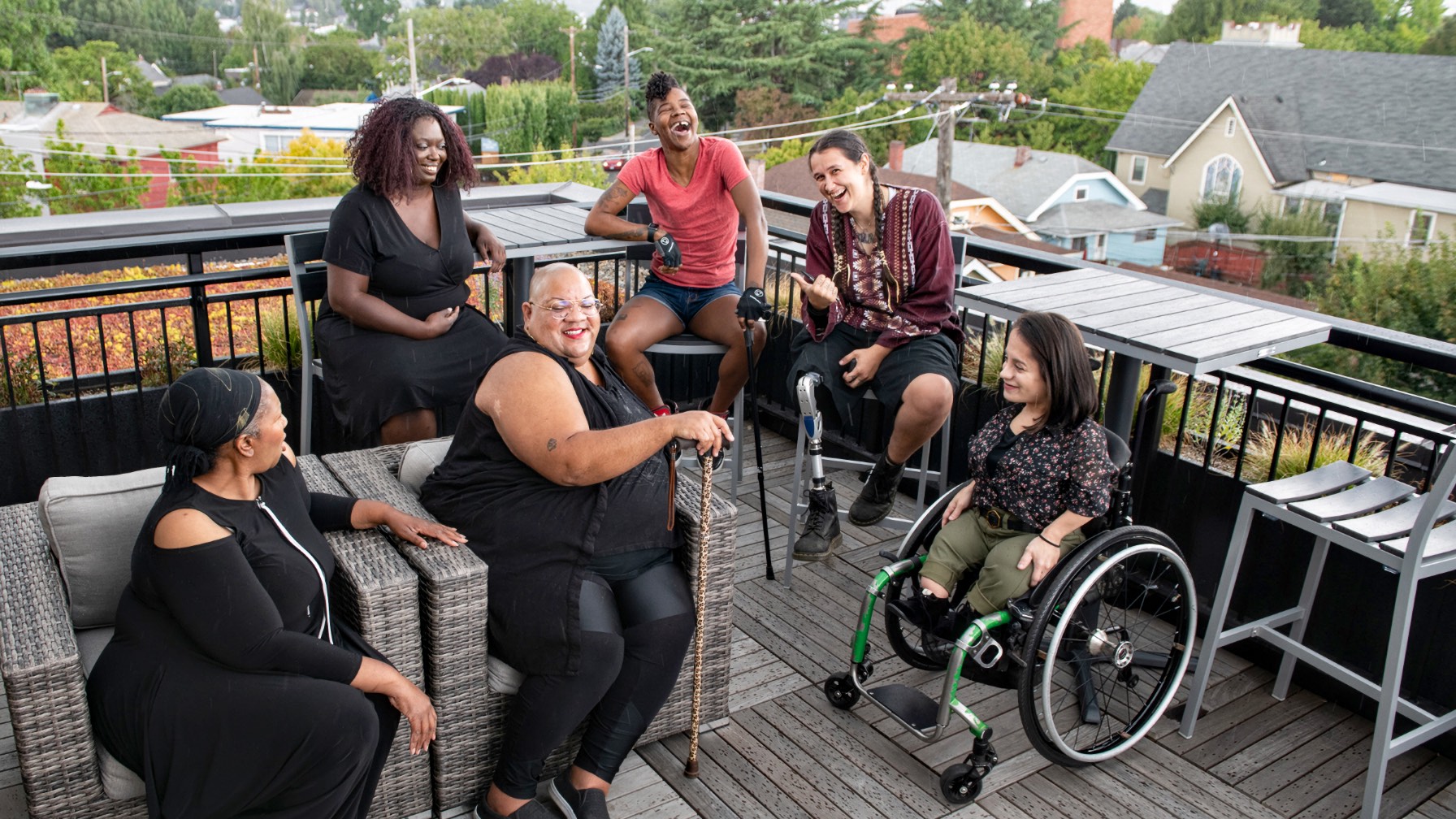
  • People with Disabilities gathered in one another's company, sharing the ordinary community life that federal action now places at risk and that many congregations, by their own attendance and departure figures, have failed to offer. Photo by Chona Kasinger,

    Federal Supports Shrink While Congregations Shut Out People with Disabilities

    New

    Federal officials are dismantling the supports that allow People with Disabilities to live among their neighbors instead of inside institutions, while a senior federal health official publicly declared that nonspeaking People with autism would never hold jobs or pay taxes, even as Scripture demands that believers tear down structures built on oppression and act rather than merely feel, and even as thin, dated figures show families walking away from congregations and children shut out or made to feel unwanted. Nobody has to resolve every question before acting, because inclusion and accessibility are shared responsibilities owned personally by each of us and enacted collectively through decisions made in consultation with People with Disabilities, an obligation Community Builders carry from planning through ongoing improvement, and it can begin with a single family and a single conversation.

  • France made me a Knight, and my mission is Braille!

    New

    France inducted Deafblind lawyer and author Haben Girma into its Order of Arts and Letters for her advocacy of Braille, a moment she used to answer critics who call the writing system outdated, to describe how a publisher once assumed someone else should voice her own memoir, to recall a Blind teenager in occupied France who turned society's low expectations of him into cover for a resistance movement, and to warn that today's artificial intelligence tools read printed pages easily yet fail on Braille, a matter of priorities that Community Builders share the responsibility to correct.

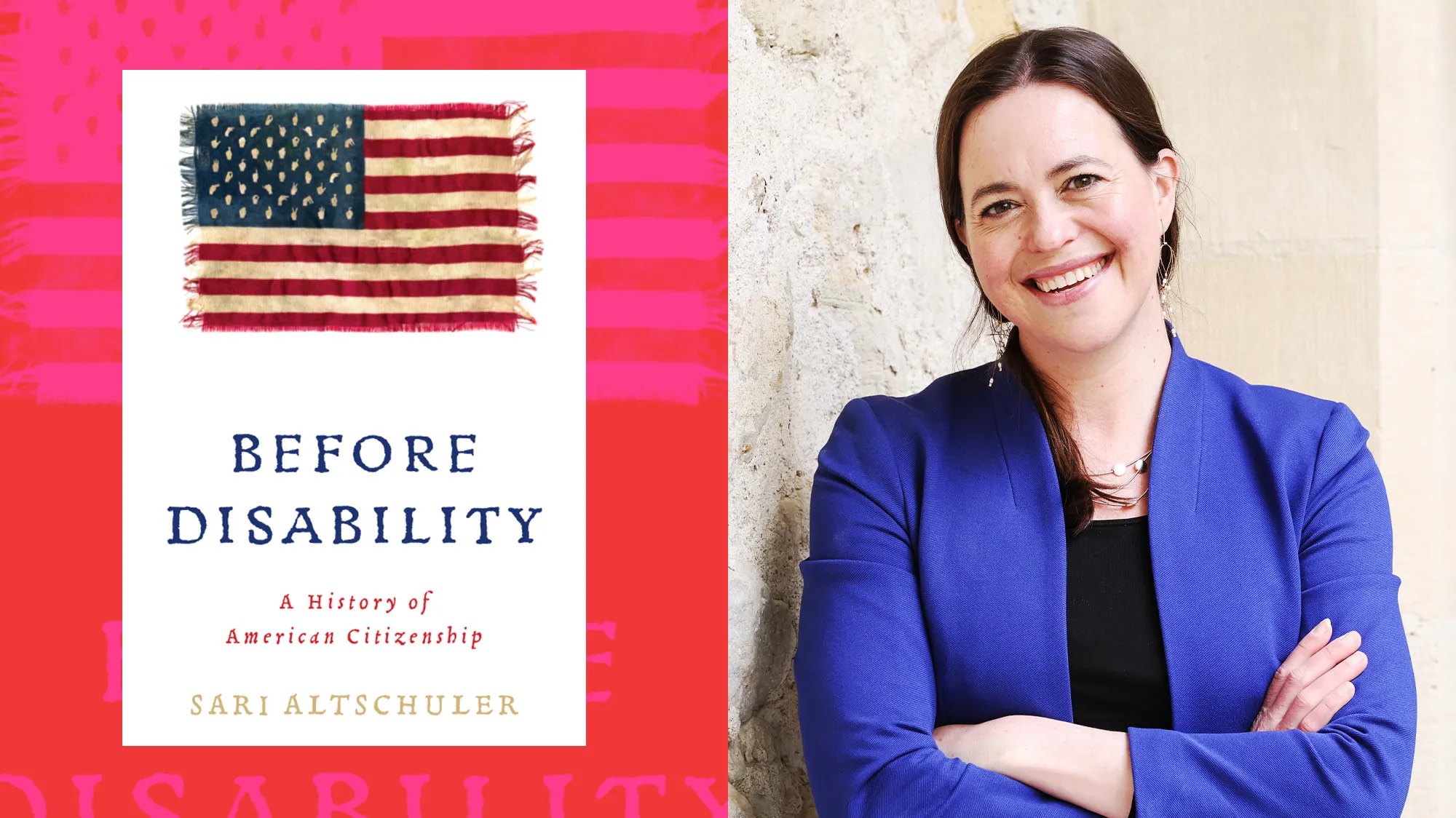
  • Sari Altschuler, a professor at Northeastern University, discusses her new book Before Disability, which traces how disability shaped citizenship in the United States.

    How Disability Shaped American Citizenship

    New

    A new history shows that disability and citizenship were intertwined from the founding of the United States, and that the harmful linking of race and disability was constructed over time as differences once seen as situational were recast as fixed and biological conditions; a falsified 1840 population count branded free Black Americans as disabled to deny their freedom and citizenship and was never corrected, some white advocacy pursued inclusion that shut out Black Deaf People, and recognition flowed to mostly white veterans while other Americans with Disabilities were denied, a history that calls every Community Builder to treat inclusion for People with Disabilities as a shared responsibility rather than a privilege reserved for a few.

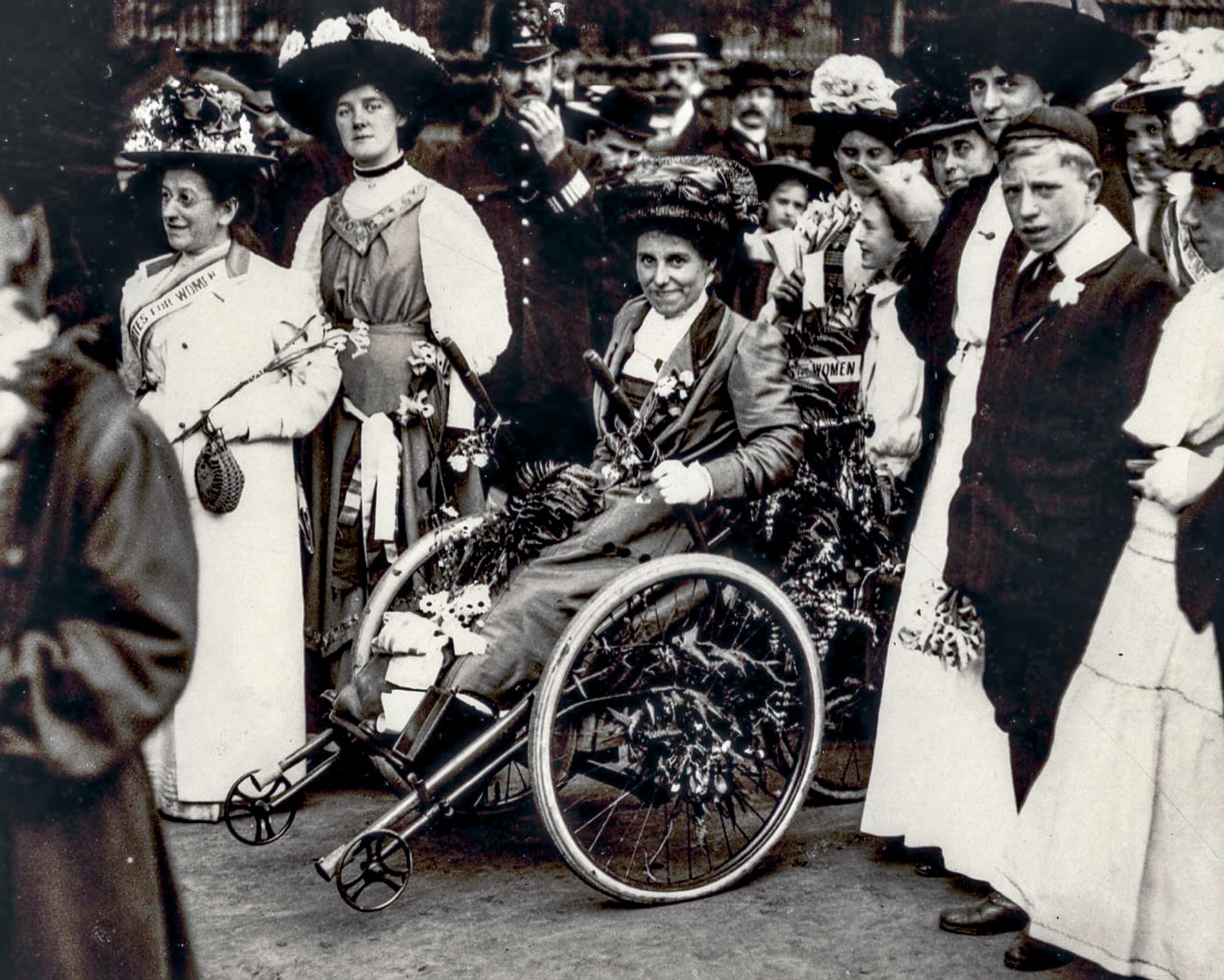
  • May Billinghurst, profiled in David Turner's new history of disability, used civil disobedience in the campaign for women's votes.

    Disability by David Turner Review: A Revelatory New History

    New

    David Turner's new history argues that although public attitudes toward People with Disabilities in Britain have barely improved across centuries, People with Disabilities themselves have repeatedly won progress through their own organized efforts, from a Deaf aristocrat who turned period prejudice about deafness into public fame, to a suffrage campaigner who drove her hand operated tricycle into police lines, to a 1960s campaigner who fought for a disability payment granted on the basis of disability alone, recovering figures whose resistance has too often been erased.

  • Two of the individuals featured in "The Life I Choose," the portrait and film project created by Randy Bacon with Abilities First, on view at C-Art Gallery in Springfield.

    New Springfield Art Exhibit "The Life I Choose" Centers People with Disabilities

    New

    A new exhibition called "The Life I Choose," opening July 11 at C-Art Gallery in Springfield through a collaboration between Abilities First and artist Randy Bacon, gathers black and white portraits, short films, and first person accounts that keep People with Disabilities at the center of their own story rather than letting a diagnosis or outside assumption define them. Maggie Rollwagen of Abilities First and Bacon both describe participants as leaders, neighbors, and contributors whose everyday choices and relationships shape their lives, and the exhibition asks visitors and Community Builders alike to move past quick judgments and truly attend to each person they meet.

  • Vilissa Thompson, Licensed Master Social Worker and founder of the Ramp Your Voice! Conference.

    Ramp Your Voice! Conference 2026 Celebrates Black Disabled Joy, Leadership, And Community

    New

    Vilissa Thompson built the Ramp Your Voice! Conference 2026 to create the dedicated space that never existed for Black People with Disabilities to commune, belong, and be celebrated for their full humanity rather than reduced to deficit, deliberately centering Black women, femmes, and marginalized gender persons with Disabilities whose erasure leaves disability storytelling incomplete and liberation out of reach. Art, cultural expression, and storytelling form the foundation of the event, treated as survival and recordkeeping that build a living archive of Black Disabled brilliance for future generations, while Thompson calls a new generation into a pipeline of leadership the community builds together. Inclusion and accessibility for People with Disabilities are a shared responsibility owned by each of us and enacted collectively, and this conference stands as a working model of that obligation in practice.

  • Artificial Intelligence, History, and Blindness: Lessons and Musings

    New

    The most credible guide to what artificial intelligence (AI) means for Blind People is the testimony of Blind People themselves, who have invented and adopted transformative tools, from the typewriter to print reading machines, long before the wider world caught up. Today AI is tearing down barriers to the visual world that Blind People have faced for years, describing photographs, reading mail, and narrating what stands in front of someone wearing smart glasses, while Blind People are also writing their own software through a practice called vibe coding, only to be swarmed online for using AI and to inherit the same neglect of Blind users that human developers long treated as acceptable. The way forward is for Blind People to sit at the center of how these systems are trained and governed, not at the edges, because Blind People creating solutions for Blind People is the surest path to technology that serves rather than sidelines the people it claims to help.

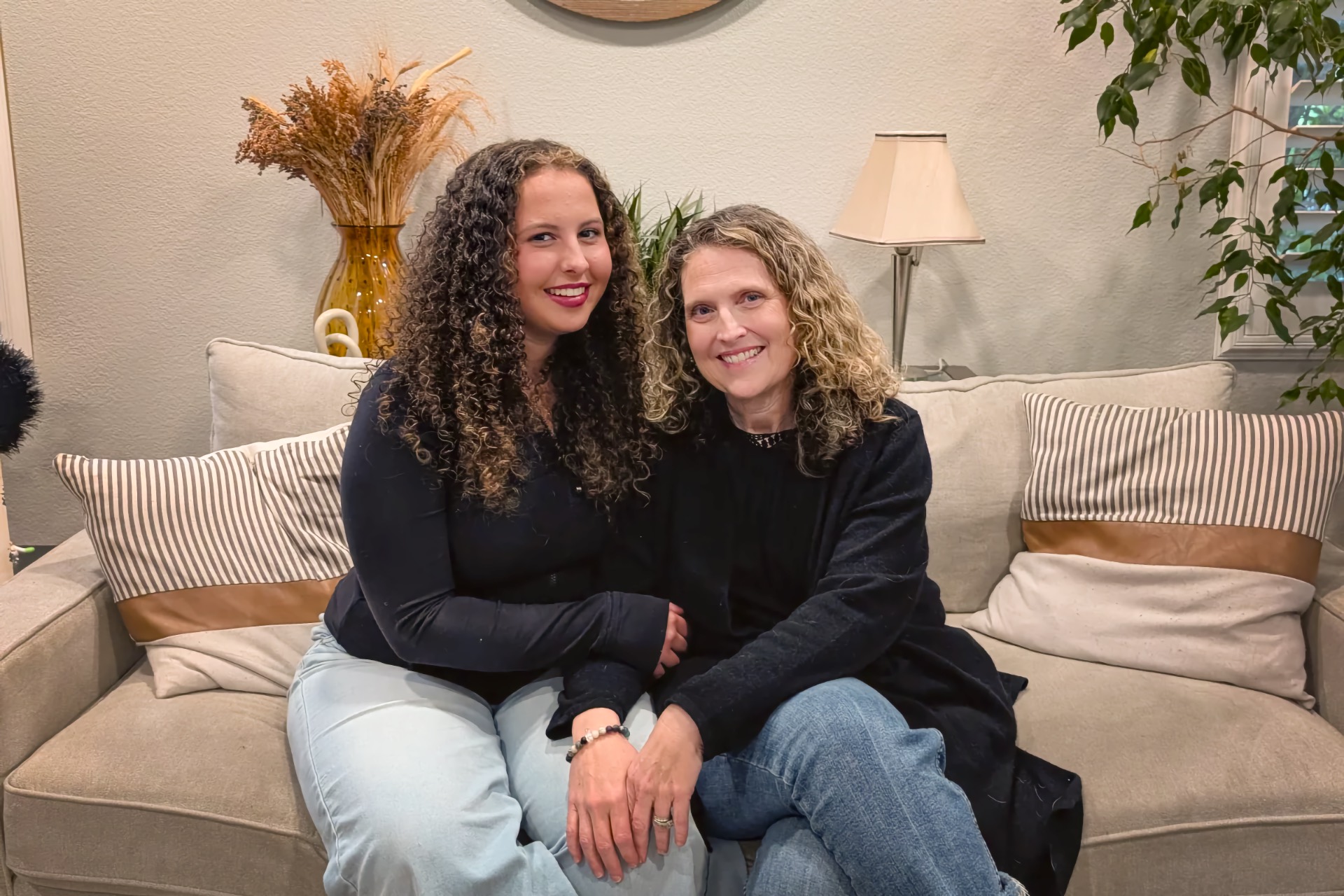
  • Soraya Martin, a ninth grader with dyslexia in Concord, California, with her mother Heather Martin, who has become her strongest advocate as their school moves toward restricting the technology Soraya relies on.

    Screen Bans Are Stripping Access Technology From Students with Disabilities

    New

    Access technology transformed school for Soraya Martin, a ninth grader with dyslexia who had felt shut out, yet a fast moving national push to ban screens threatens that same access technology for the more than eight million Students with Disabilities who rely on it to read, write, and take notes, even as the federal office defending their rights is hollowed out and they are shut out of the very decisions that will determine whether they can take part in their own education.

  • The adaptive athlete, who is an amputee and has no right hand, was stopped by a sheriff's deputy in Lake Worth and issued a citation for holding a phone in her right hand while driving, a hand she does not have.

    Officer Cites a Woman with a Disability for an Act Her Body Made Impossible

    New

    A woman who is an amputee, an adaptive athlete with no right hand, was cited by a sheriff's deputy for holding a phone in her right hand as she drove, and when she raised her arm to show she has no right hand he still refused to drop the charge. This is how People with Disabilities are pushed aside by those who would rather defend their own authority than acknowledge the truth, a pattern that research shows measurably lowers the wellbeing of People with Disabilities across daily life. People with Disabilities must be heard rather than overruled, and Community Builders share a collective responsibility to remove these barriers and to let People with Disabilities speak for themselves.

  • The North Face Universal Collection tent, one of several items the brand developed with adaptive athletes to remove barriers People with Disabilities face in the outdoors. Photo courtesy of The North Face.

    Outdoor Gear Built With People with Disabilities, Not For Them

    New

    For People with Disabilities, every outdoor trip has long carried a hidden labor that others never see: the work of adapting gear that was never built for their bodies. The North Face Universal Collection confronts that failure by bringing adaptive athletes in as collaborators from the start, producing items like a daypack with magnetic closures, a sleeping bag with no zipper, and an accessible tent that spare People with Disabilities the workarounds they once had to manage alone. People with Disabilities are the world's largest minority yet remain among the least represented in outdoor marketing and in the rooms where products are designed; real inclusive design depends on their voices shaping the decisions, a responsibility Community Builders own personally and carry out together.

  • Kale Vine, a former nurse who became a person with a disability after a workplace accident, now shares her experience with chronic pain and healthcare barriers online.

    Former Nurse Says Becoming Disabled Opened Her Eyes to How Often Patients Feel Dismissed

    New

    After a workplace accident left her with a disability, a Toronto nurse found herself shut out of decisions about her own care, talked about rather than heard, and repeatedly dismissed when she reported that her pain was worsening. Becoming a person with a disability revealed barriers in healthcare and in daily life that People with Disabilities meet constantly and that those who hold power rarely notice until forced to confront them. She has been clear that People with Disabilities must advocate for themselves far more than others realize, a demand that lands hardest when pain and exhaustion have already taken their toll. When she shared her story online, People with Disabilities found one another and built community around the truth that they are real people who deserve to be heard. Community Builders share that same responsibility and collective obligation to center People with Disabilities in every decision, and to hear People with Disabilities speak for themselves.

  • Timothy Allison, a collaborative special education teacher, works closely with students at Sun Valley Elementary School in Birmingham, Alabama.

    The Federal Promise to Educate Students with Disabilities Remains Unmet While Barriers Multiply

    New

    Students with Disabilities were promised a full public education more than fifty years ago, that promise has never been kept, their assessments go unfinished and their Individualized Education Programs (IEPs) go uncarried out, and the protections available to them vary so dramatically by location that access to a full education has become a matter of geography. Community Builders carry a collective obligation to remove the barriers that block Students with Disabilities from full participation in their own education, treating that responsibility not as charity but as a shared commitment woven into every decision.

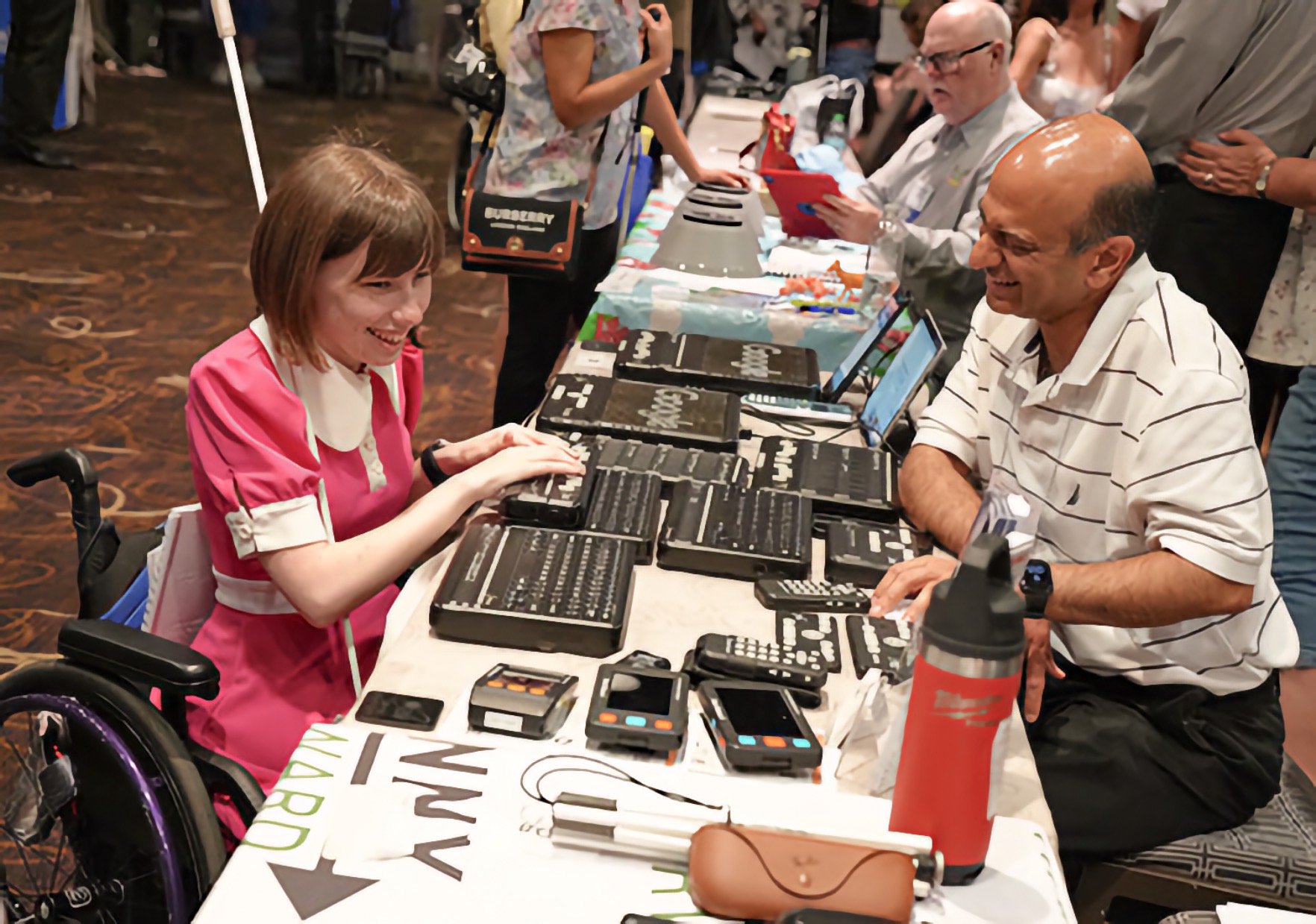
  • Ellana Crew, a Blind wheelchair user and National Federation of the Blind (NFB) member, with a representative at the Orbit Research booth in the NFB national convention exhibit hall.

    How to Be a Blind Wheelchair User

    New

    Blind People who use wheelchairs face an information drought on white cane travel from a seated position, a gap that National Federation of the Blind (NFB) member Ellana Crew has spent three years working to close. Cane selection differs from ambulatory practice in every dimension: wheelchair users typically need longer canes, lighter materials, and fixed tips calibrated to their seated position and hand function. For Blind People using manual chairs, several approaches make simultaneous cane and wheelchair use possible, including gripping both the cane and push rim in one hand, using a one arm drive system, or foot propelling. Orientation and Mobility (O&M) instruction systems have left Blind wheelchair users without adequate guidance or have steered them toward power chairs without exploring alternatives. Community Builders must refuse to treat the absence of wheelchair inclusive O&M instruction as someone else's concern: if the formal system will not teach Blind wheelchair users, the community must build and protect the peer networks that will.

  • Global Accessibility Pulse 2026 - Natalie P Tucker

    New

    Natalie P. Tucker explains that the internet is more accessible than it was 10 years ago in some important ways, with more organisations building accessibility into product development, stronger design systems, earlier accessibility planning, better tools, stronger communities, and greater awareness; however, she stresses that real user experiences remain inconsistent and often worse at scale, as shown by rising WebAIM Million error rates, increasingly complex interfaces, faster release cycles, and AI-generated code created by people who may lack accessibility fundamentals. She argues that much accessibility work is still driven by compliance, which is only a low bar, because a product can meet WCAG and still be frustrating for people with disabilities. Her main point is that lasting progress depends on treating accessibility as a core measure of product quality rather than simply a requirement.

  • Accessibility Works When We Stop Treating Disability As Defect with Daniel Hodges

    New

    Daniel Hodges, a Blind nonprofit leader and advocate, is specific: the barriers Blind People face come from inaccessible materials, stigma, and ongoing demands to prove competence. Not from blindness itself. Growing up Blind in rural America, the attention and resources around him went toward hoped for cures and medical procedures rather than Braille, white cane training, or access technology. His Pieces of Me Foundation tackles this through disability education, organized professional training, and access to resources that work to dismantle misconceptions, and the Access Opportunity Tour delivers Zoom based real time guidance for leaders making workplaces, churches, nonprofits, and websites fully accessible. Building fully accessible and inclusive communities for Blind People and People with Disabilities is a personal and collective obligation owned by each of us. Hit play and hear Daniel Hodges speak for himself.

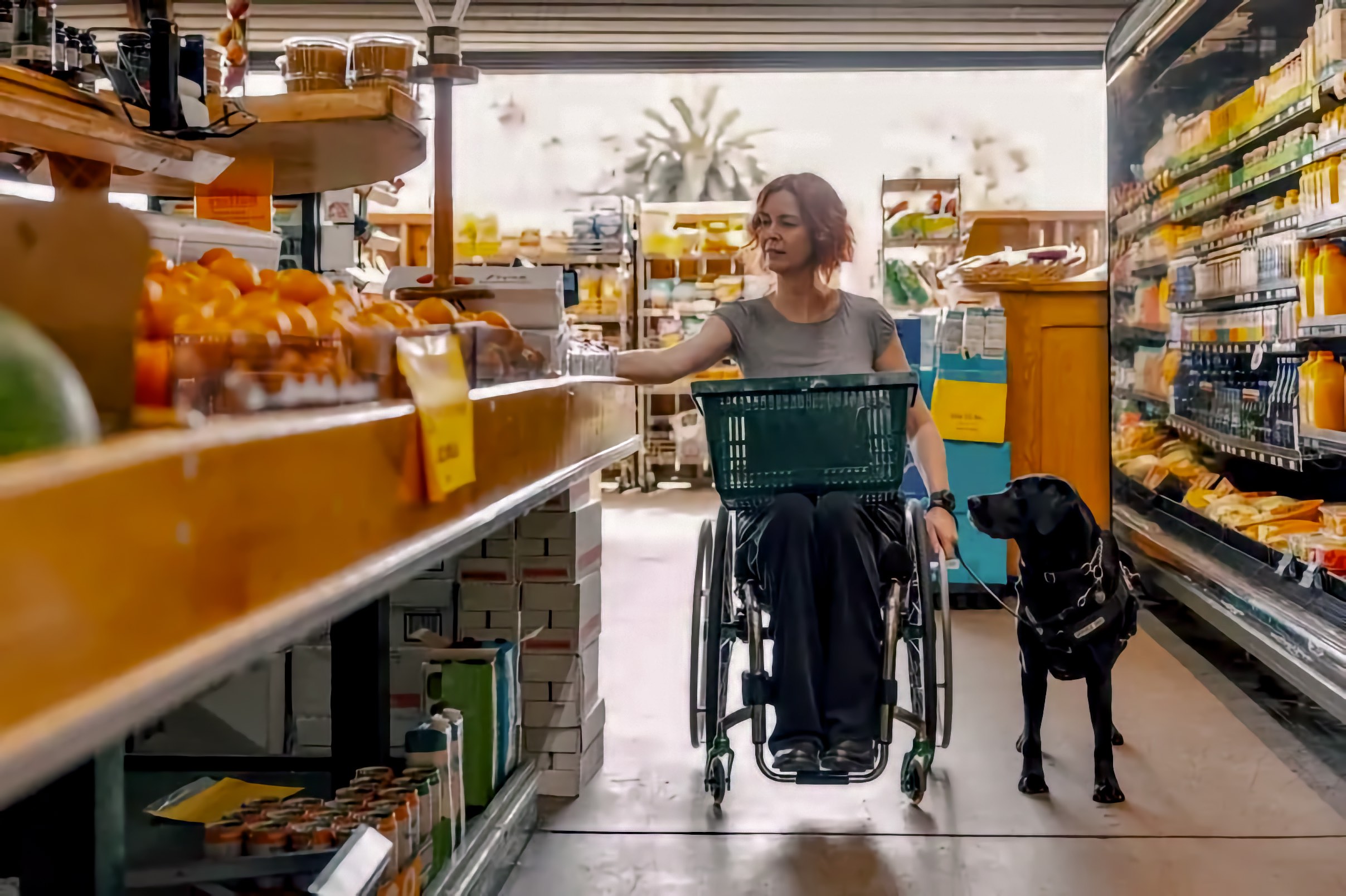
  • Grocery shopping is one of countless retail experiences where The Access Coalition has identified persistent barriers for People with Disabilities, especially at restrooms and at point of sale.

    How A Coalition Of Retail Giants Is Rewriting Accessibility Standards

    New

    The Access Coalition, convened by the American Association of People with Disabilities (AAPD), is working with major retailers, hospitality, and consumer brands to make accessibility for People with Disabilities a built in design standard across physical, digital, and hybrid retail environments. The coalition has identified restrooms and checkout systems as the most serious barriers People with Disabilities encounter in retail, both as customers and as workers. The coalition shows that low cost steps, including clear paths of travel between spaces and clearer wayfinding signs, can be done immediately. Yet physical design is only part of the answer, since staff training, policies, and procedures must back the design so that People with Disabilities experience true inclusion, not access that only appears on paper.

Smiling woman holds a cup of coffee while looking at her smartphone in a cozy café.

Publications, Communications, and Digital Content should use Responsive Design to ensure accessibility on small screens, especially as a growing number of people no longer own or use desktop computers and rely solely on smartphones for online access.

Question: Is this example of inclusive practices the norm in your community? If not, what barriers need to be removed which prevent inclusive and welcoming participation?


"The challenge facing the friends serving at the grassroots is essentially the same in every place. They must be able to read their own reality and ask: what, in light of the possibilities and requirements at hand, would be fitting objectives to pursue in the coming cycle or series of cycles?"  -- December 30, 2021 UHJ to Conference of Counselors Introducing Nine Year Plan


Explore More Compelling Insights:

Learn about topics related to People with Disabilities, Accessibility, Anti-Ableism, Removing Barriers, and the Disability Community? Tap the Explore button to discover something new and intriguing with each tap!