
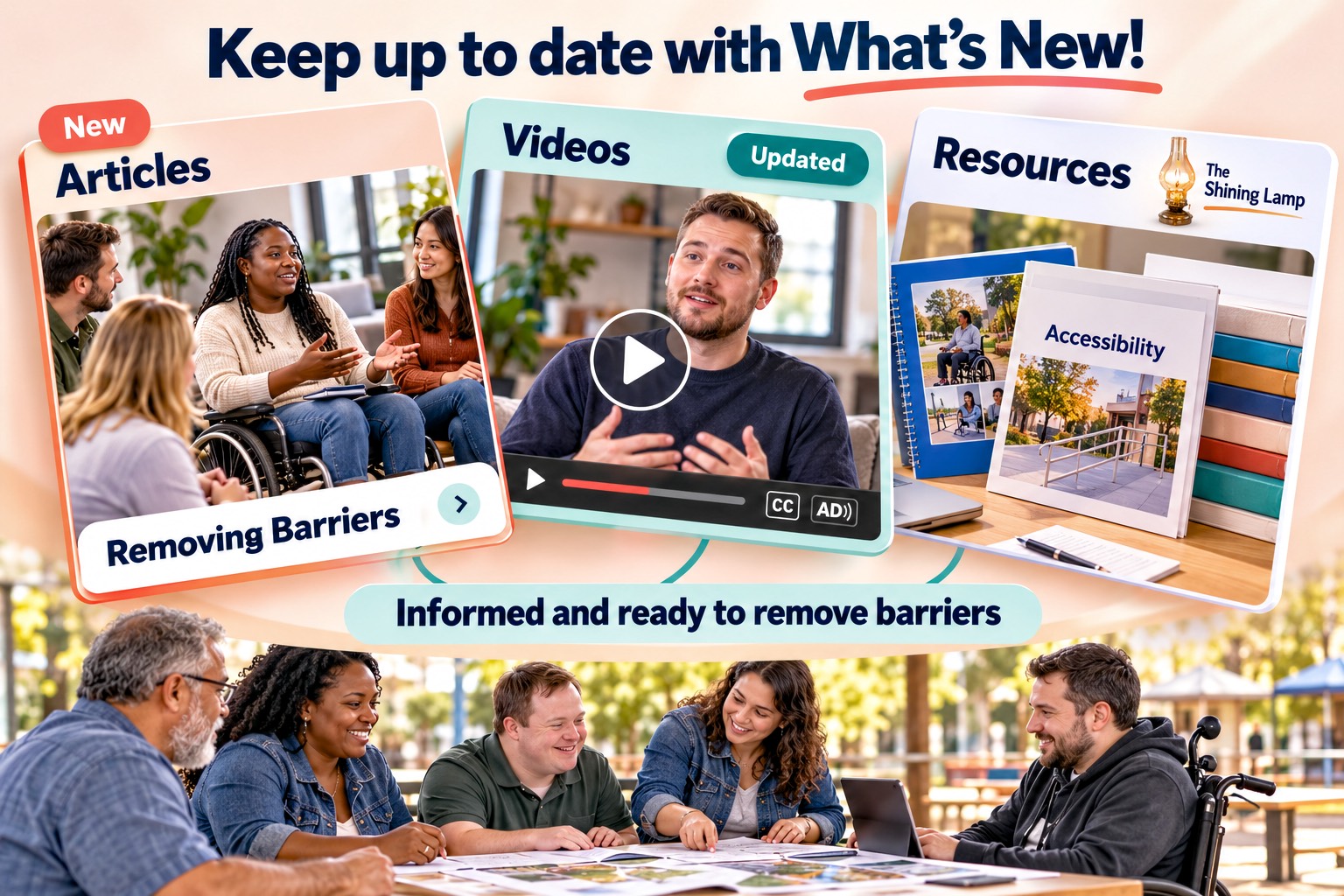



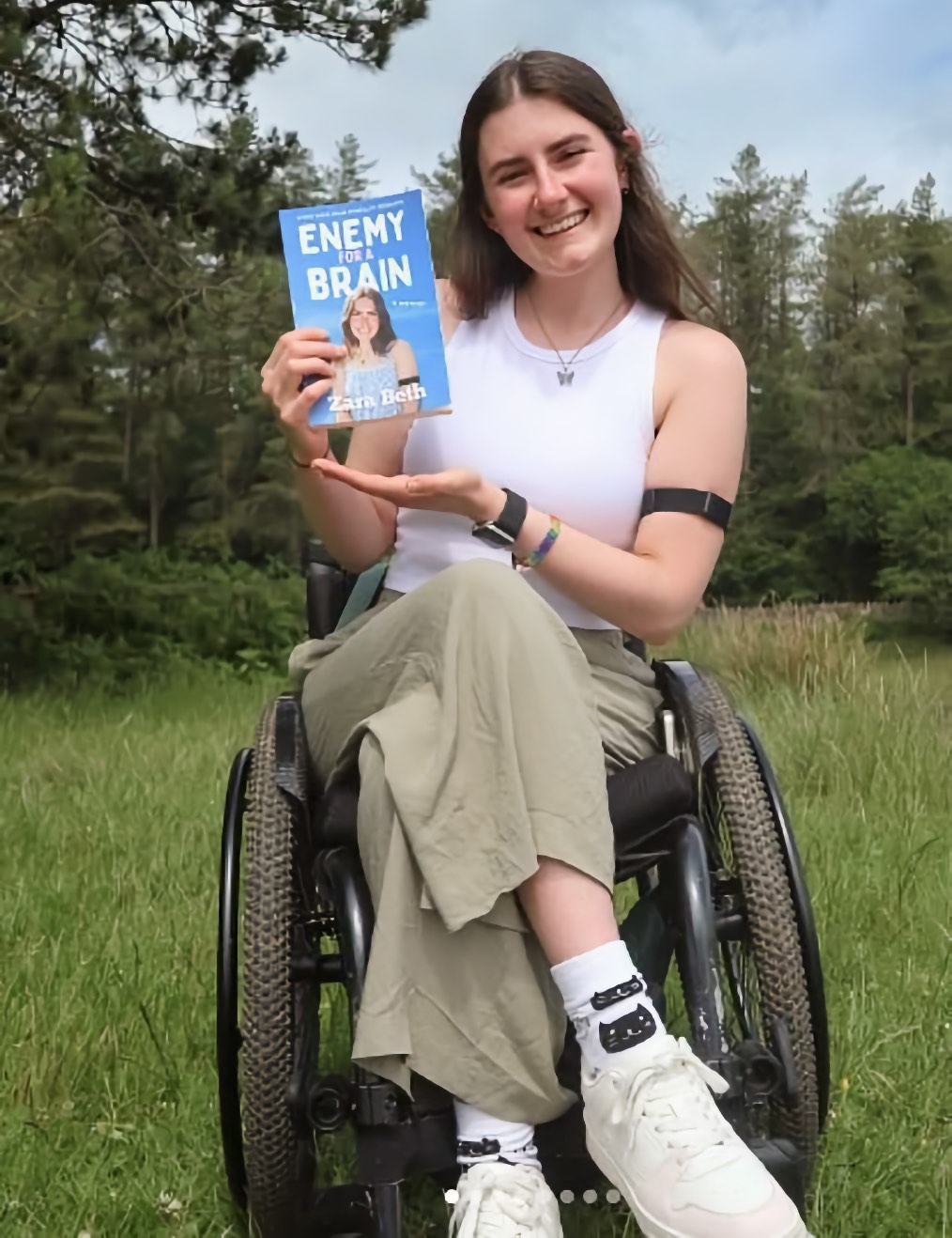
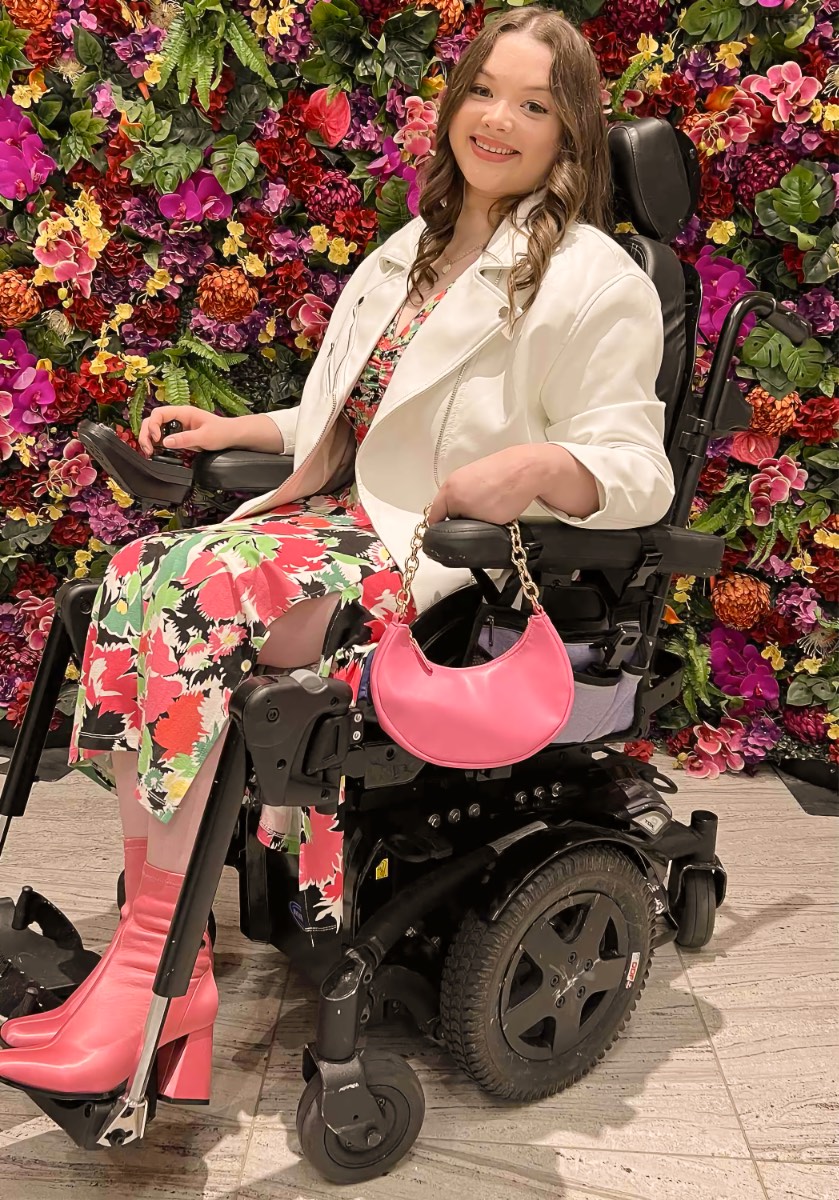
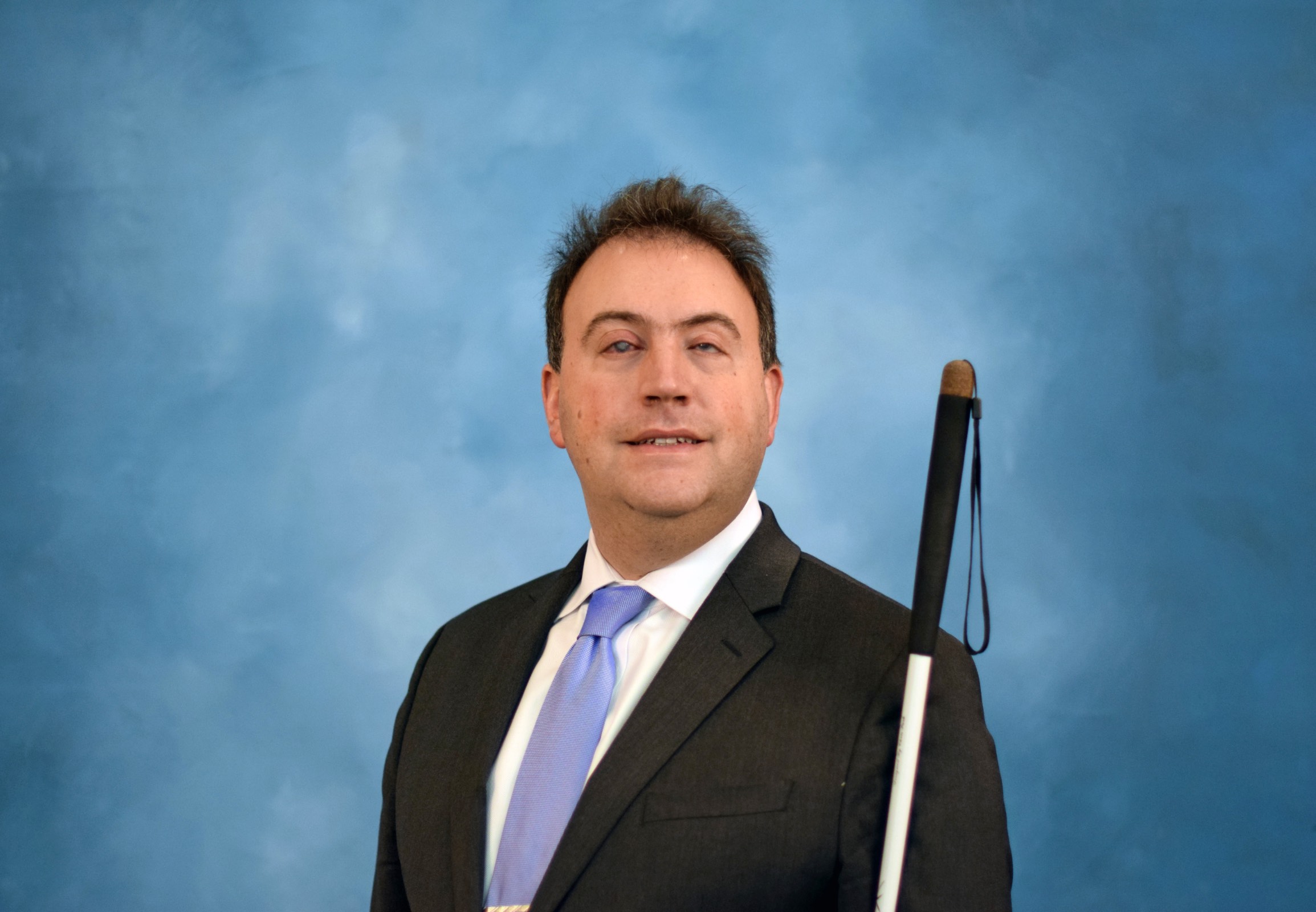
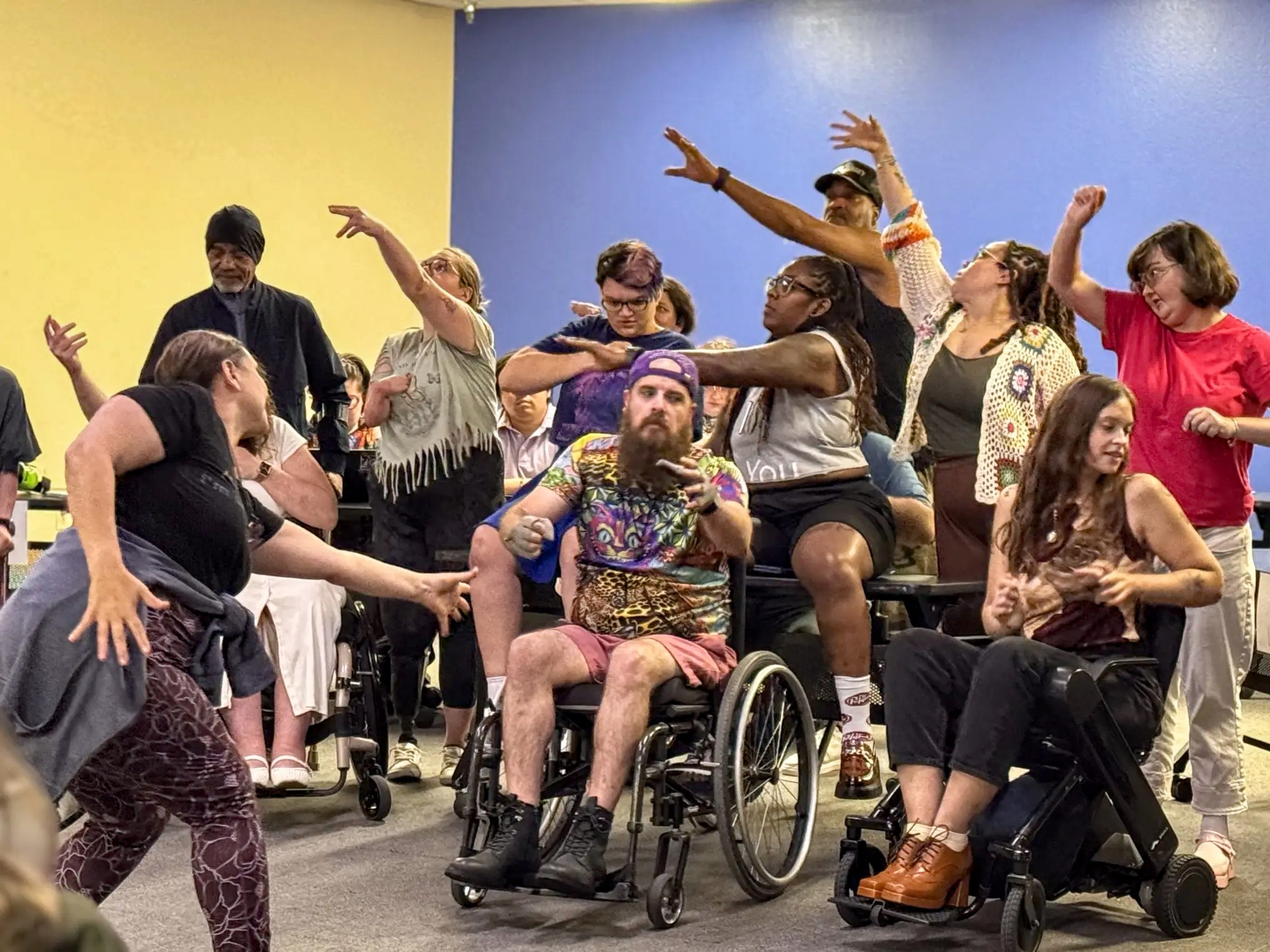
Infographic headed “Keep up to date with What’s New!” features article, video, and resource previews marked “New” and “Updated.” Below, a diverse group, including a wheelchair user, reviews materials together beneath the message “Informed and ready to remove barriers.”

What's New and Updated at The Shining Lamp?
Latest updates

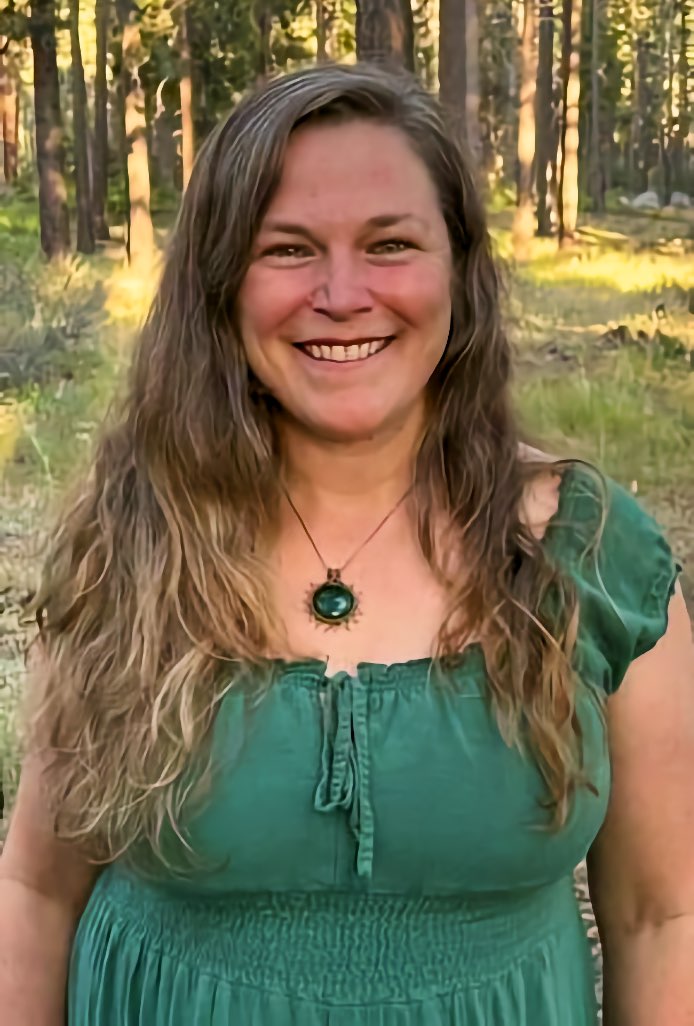
  • Angie Reagan, a Physical Therapist with a Disability, founder of Access Tahoe and Peace Love Tahoe, and community advocate, wrote the opinion piece calling for access to be built into the Lake Tahoe region's future.

    A sustainable Tahoe must be an accessible Tahoe

    New

    .

    An opinion piece on the future of the Lake Tahoe region argues that a place protected for thirty years is still built for a narrow slice of the people who love it, where the beach, the trails, the snow, and the events open only to those who can already reach them and anyone asking for access is told to justify the request. More than one in four adults in the United States is a Person with a Disability, and real access is designed from the first meeting for cognitive, psychiatric, sensory, communication, physical, and non apparent disabilities rather than counted off a list of ramps and parking spaces. The familiar answers about short capacity, short money, and mission scope are choices that hand the work back to the People with Disabilities already shut out, because access is not charity granted when it is convenient. Sustainability that guards water and forests but not the people who love the lake preserves only half of it, and People with Disabilities belong in planning seats, paid consulting roles, and leadership positions before the barrier is ever built.

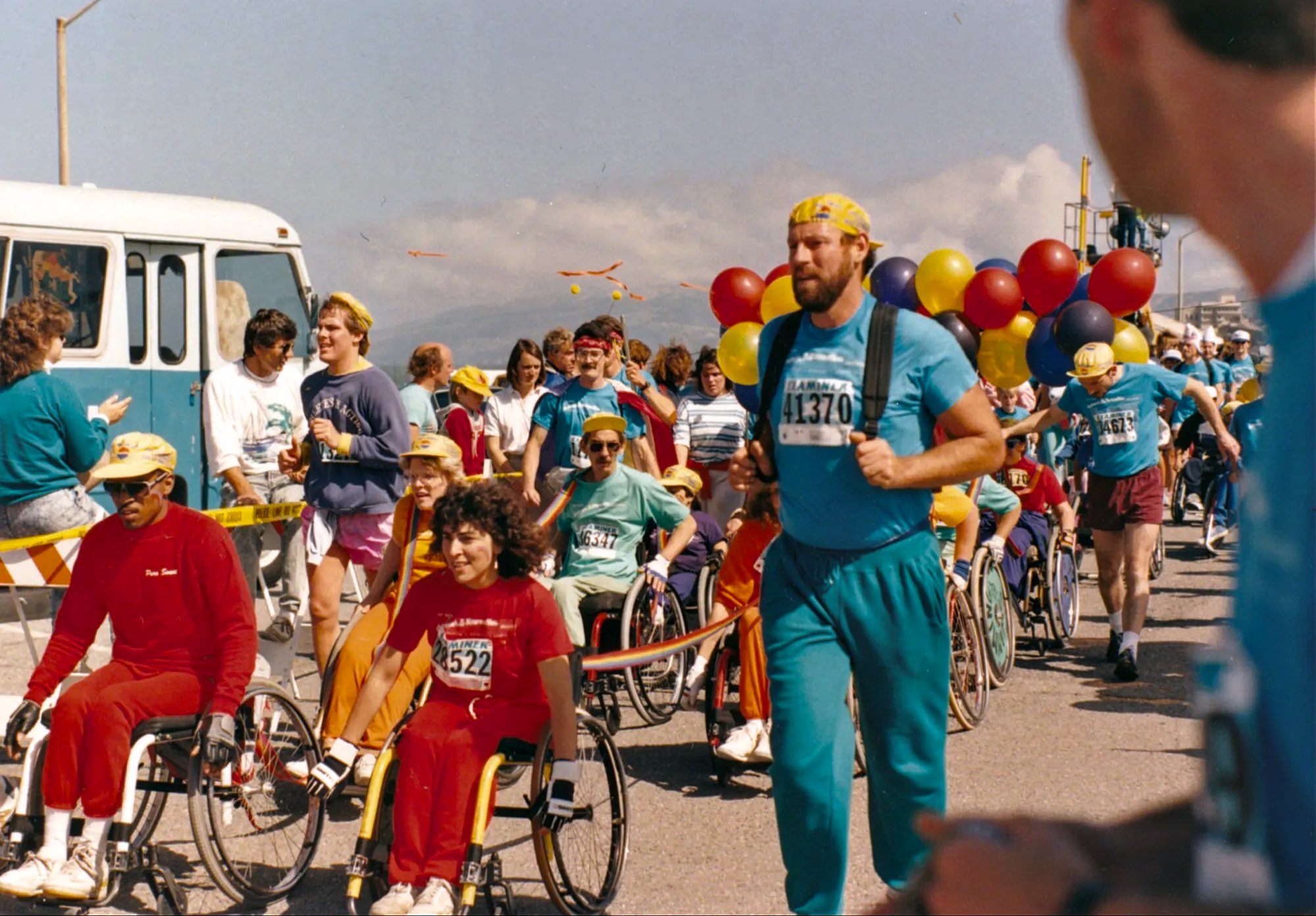
  • Members of the Bay Area Outreach & Recreation Program take part as a wheelchair centipede tram in the San Francisco Bay to Breakers race in 1988, roughly a decade into the fifty years of programming the organization is now marking. Courtesy: BORP

    Fifty Years of Removing Barriers to Recreation for People with Disabilities

    New

    In 1975 a student who used a wheelchair was turned away from a campus swim class, wrote a paper describing recreation run by and for People with Disabilities, and won city funding to build it. Fifty years later the Bay Area Outreach & Recreation Program (BORP) runs about twenty activities a week, more than half its staff are part of the disability community, and its online classes drew over a thousand people from Alaska to Poland once transportation barriers were removed. The lesson holds for the events we plan: interest was never the missing piece, and leadership by People with Disabilities is what turns a program into a place people belong.

  • A birthday dessert is supposed to carry a person's name. Antonia Sinibaldi ordered the same dessert as her cousin at a New Jersey restaurant on June 20, 2026, and hers arrived carrying the word wheelchair instead. Photo by Aiky82.

    A Birthday Plate Labeled With a Wheelchair Instead of a Name

    New

    A New Jersey restaurant sent a woman her 29th birthday dessert with the word wheelchair written on it in place of her name, after staff used her mobility device to mark the kitchen ticket. Antonia Sinibaldi, who has used a wheelchair since she was two years old, was offered free drinks before she was offered an explanation, and she has said she will not return. Nobody had to intend harm for her to be reduced to her equipment, and that is the everyday shape of ableism. She stated the standard herself: do not bring up my disability.

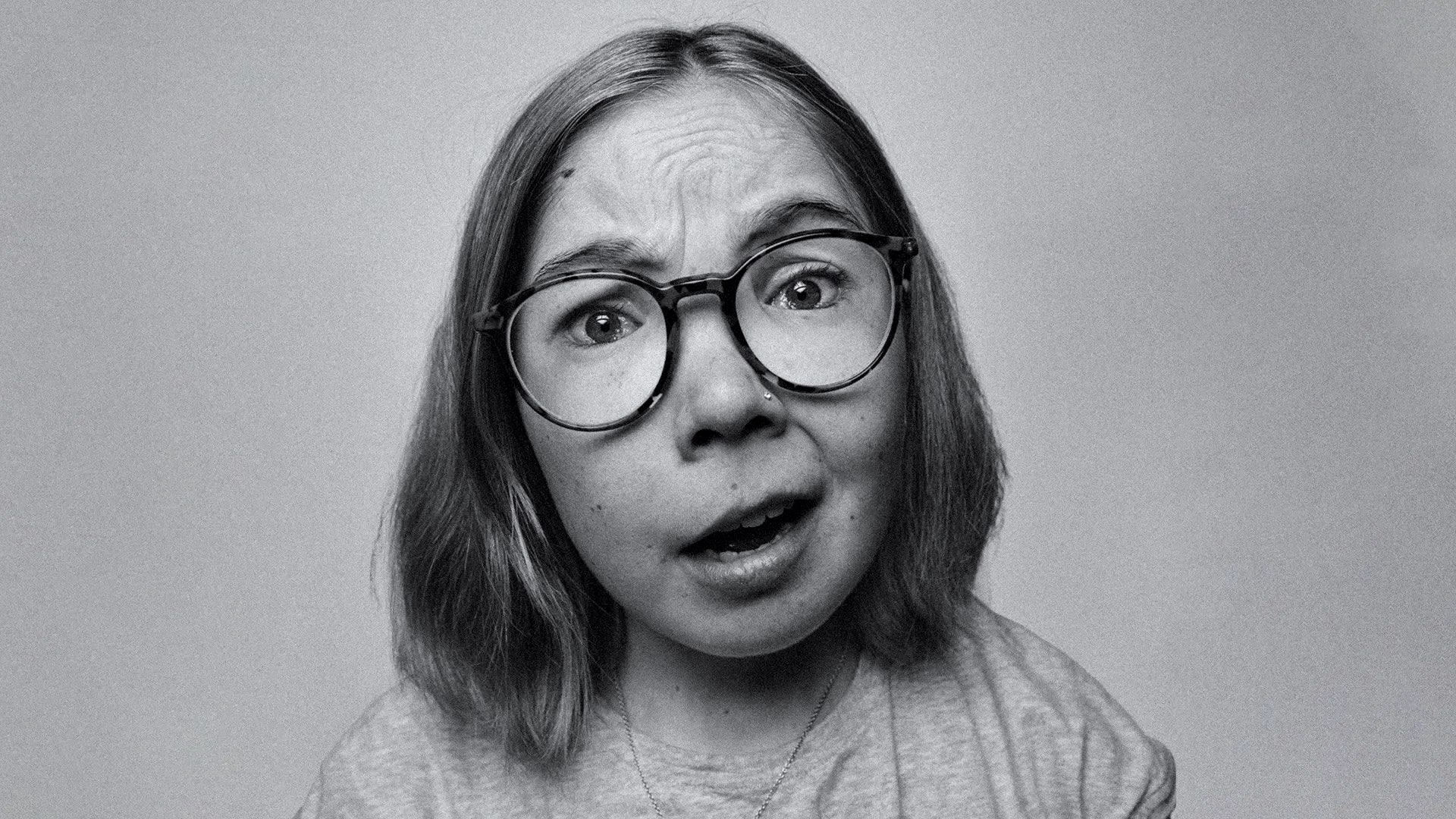
  • Bella Roberts, an editorial trainee and aspiring film and television editor whose posts about post production reach more than a million followers.

    People with Disabilities having to work 10 times harder to live their life and pursue their dreams

    New

    Bella Roberts edits film and television and has primary lymphoedema, and the route into her industry was built as though those two facts could not sit together: runner jobs that demand constant physical labour, an interview room two flights above the entrance, and a hiring process that treats naming what you require as a reason to pick somebody else. People with Disabilities hold just 9.7 percent of off screen roles against a national workforce figure of 20 percent, and Roberts reached a first editorial trainee credit only after a video asking for a chance travelled to more than a million people. Access should never depend on an audience, and communities that plan inclusion in before anyone shows up do not make people earn the right to get through the door.

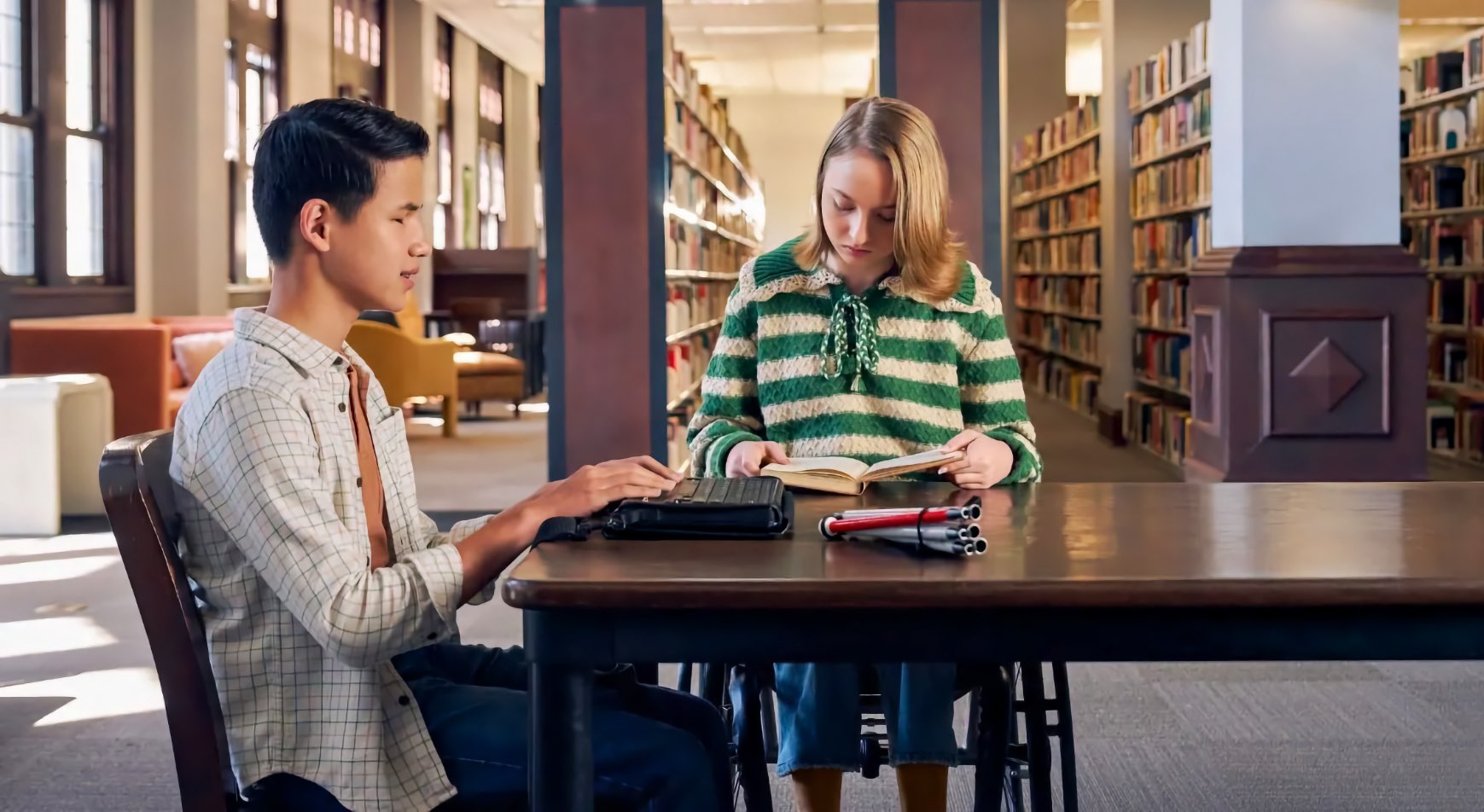
  • Two teenage friends read together in a library, from the generations the article describes: Millennials and Generation Z moved through education after the Americans with Disabilities Act and now reach for mobility aids years earlier, arriving at work with disability already understood as an identity carried openly. Photograph by Justin Kaneps.

    Why More Young People Are Using Mobility Aids, And Why That's Good News For Employers

    New

    Disbelief is a barrier exactly the way a staircase is a barrier, and it keeps People with Disabilities standing at the networking event rather than asking for a chair. Ambulatory mobility aid users, who use a cane, crutches, a rollator, or a wheelchair some of the time rather than all of the time, match the tool to the demand and spend a fixed energy budget on the destination instead of the journey. Conditions concentrated in people assigned female at birth were called imagined for decades, costing ten years and fifteen clinicians per patient, while insurance denials and coverage judged on what a person does inside their own home keep the equipment out of reach. Millennials and Generation Z moved through school after the Americans with Disabilities Act, reach for aids years earlier, and stay in work because of it. In the 1970s students in Berkeley cut ramps into the curbs themselves, and the curb cuts they made now carry strollers, suitcases, and trolleys.

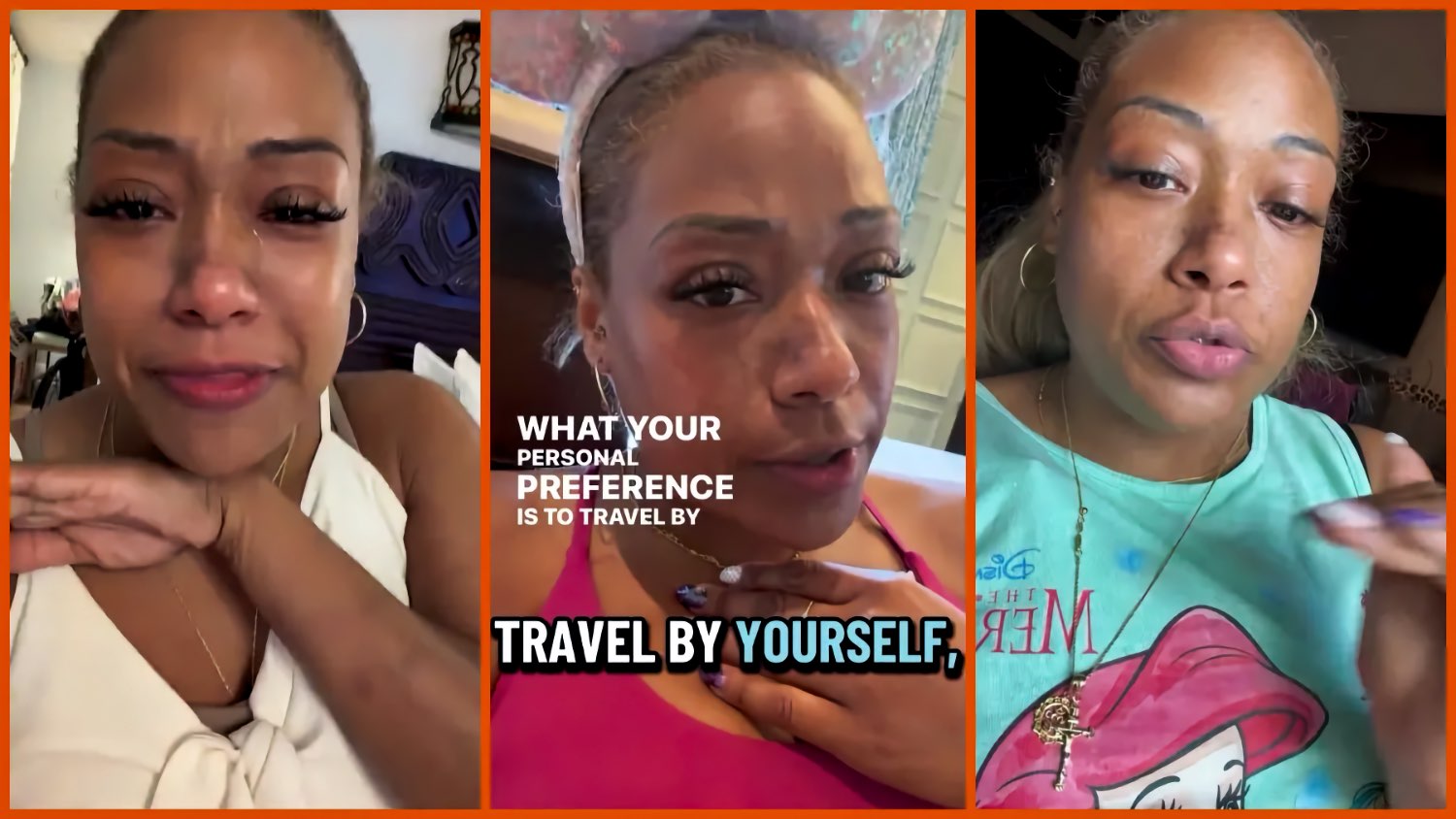
  • Andrea Dalzell, a human and disability rights advocate posting as theseatednurse, recorded the three video updates in which she documented a room sold to her as accessible, her exchange with resort staff, and her eventual move to a different room.

    Magic has limits: Woman in wheelchair is excited about solo travel to Disney World. Then she learned her ‘accessible’ hotel needed a companion

    New

    She traveled to a large resort by herself and opened the door on a room flagged accessible in the booking system, where the thermostat sat above her arm, the curtains stayed out of range, the switches were hung for somebody standing up, the coffee setup was decoration, the door was heavy enough to turn her arrival into a barrier, and the bathing area could not be used without soaking her completely. She reported it and was told accessible design is mostly the bathing and sleeping areas, and that People with Disabilities usually turn up with somebody, which is a belief about who books rooms dressed up as an excuse. The same operator runs step free routes, rentals, a queue access service, companion restrooms and an attraction app across its parks, which is precisely what makes the room indefensible, and she named the cause herself as nothing being held to one standard and nobody having learned the actual way People with Disabilities use a space. A workable room arrived only after two escalations, by which point she was weighing an early flight home against forfeited money, so while our own guests are still planning their travel to our activities, events, programs and services, deciding from our flyers, our forms and our materials whether they can take part at all, we can travel the route ourselves and remove every point that only works when a second person is standing there.

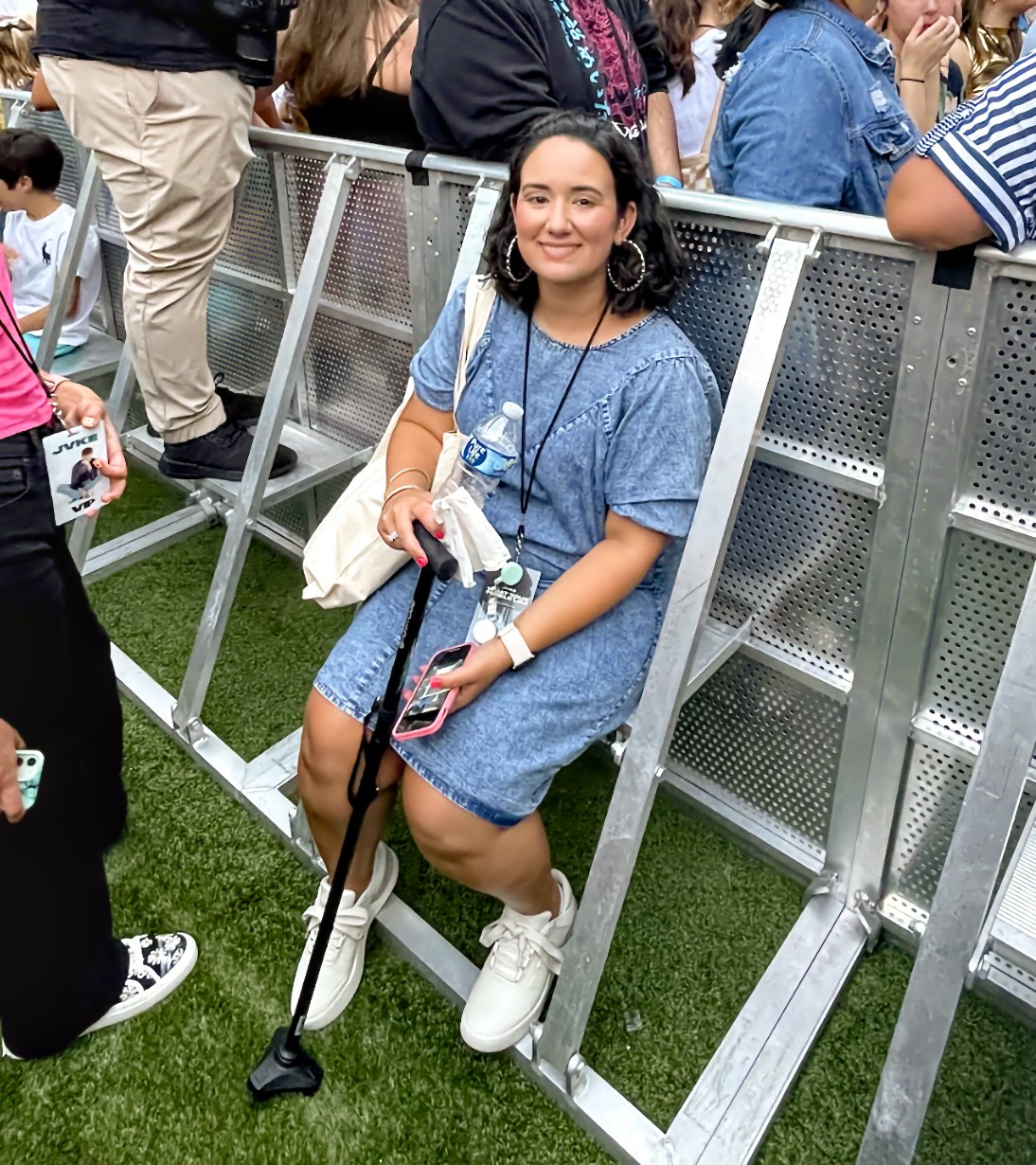
  • Cyntianna C. Ledesma Ortega at the JVKE concert in August 2023, in the seating the venue provided after her repeated calls ahead of the event.

    A Dad Tried To Bully Me Into Giving My Seat To His Kid. Here's What Happened When I Said No

    New

    Seating arranged by phone weeks ahead of a concert turned out to be a metal bench on the far side of a barricade, facing away from the stage, with the standing crowd's elbows level with her head, and when a man from the VIP side put his child on it he demanded to know what made her so special, then watched her the rest of the night to see whether dancing or smiling would disqualify her. Her disability moves along a spectrum and shifts with circumstance, which for years brought dismissal from the people she consulted and doubt from relatives, and none of that changes the fact that asking for what removes a barrier does not depend on anyone else's sympathy. Belonging is the starting condition for People with Disabilities, and any gathering that hands it out as a prize has already built the barrier.

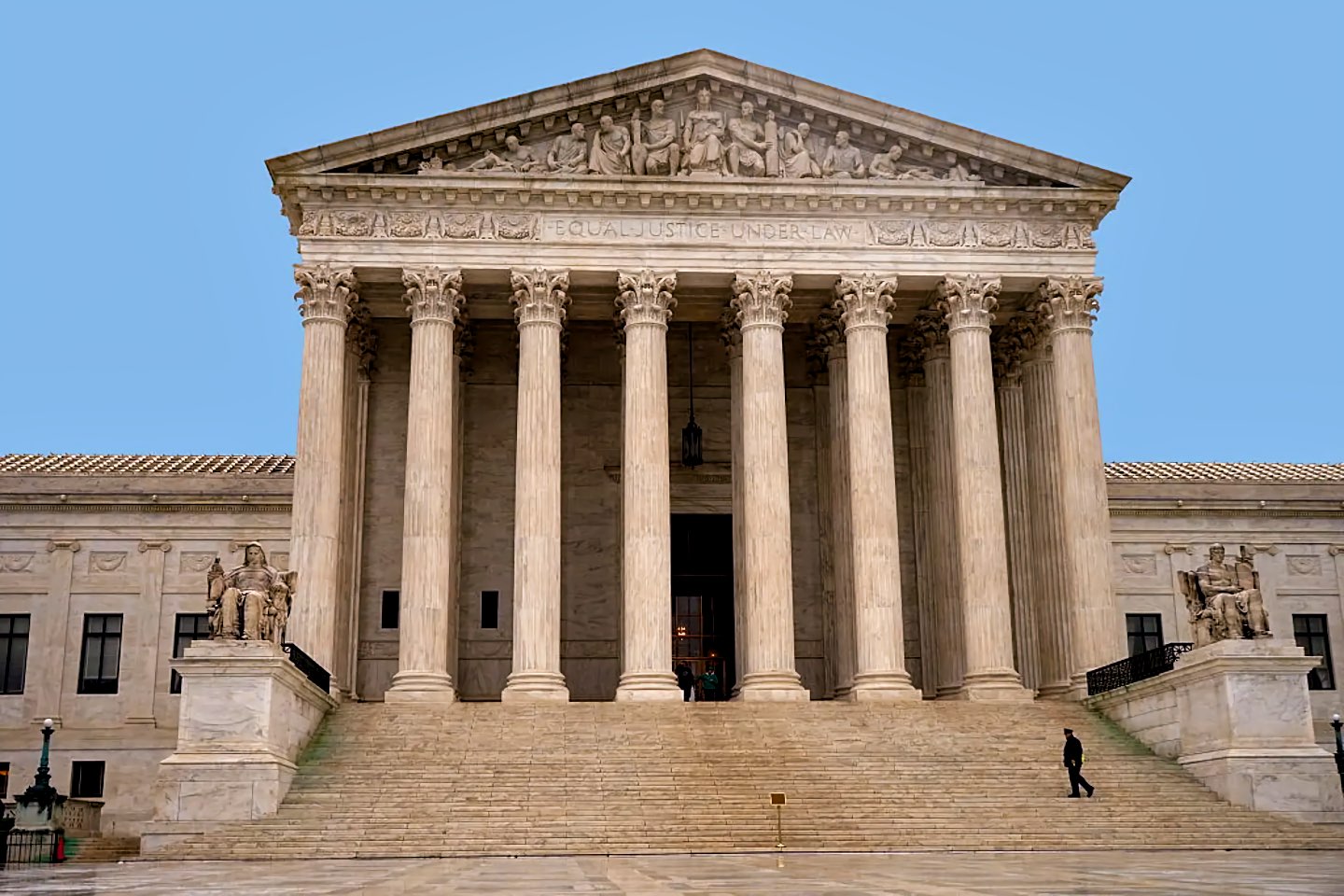
  • The U.S. Supreme Court building, photographed in 1999 — the year the Court ruled in Olmstead v. Lois Curtis, affirming that the Americans with Disabilities Act prohibits the forced segregation of People with Disabilities from community life.

    The Promise We Made to Americans with Disabilities Is Under Attack

    New

    People with Disabilities fought for decades to move from state institutions into their communities, securing that right through the Americans with Disabilities Act (ADA) and the 1999 Olmstead v. Lois Curtis decision — and a Department of Justice (DOJ) memo combined with sweeping Medicaid cuts now threaten to reverse that progress by defunding the home and community based services (HCBS) that cost roughly $70,500 per year, compared with more than $395,000 annually in an institution, leaving People with Disabilities facing the isolation that community living was built to permanently end.

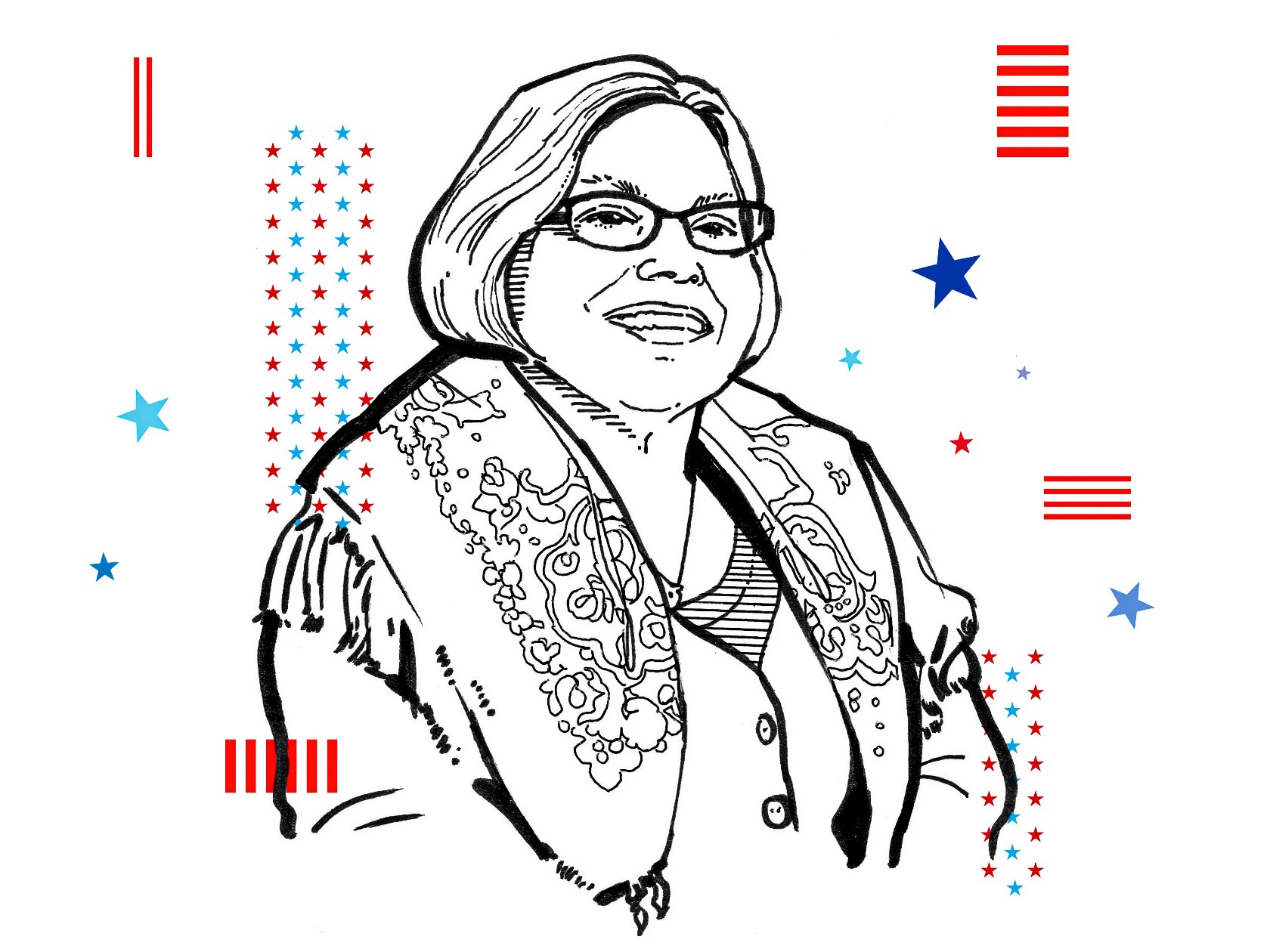
  • Kelly PeLong, Executive Director of Disability Network Mid-Michigan, who joined the organization 32 years ago as a peer mentor and became its Executive Director in 2019.

    The Heart of Authenticity: Why Disability Pride Month matters beyond July in mid-Michigan

    New

    Listen Now: Disability Pride Mid-Michigan

    Disability Pride Month traces back to Ed Roberts, who became the first Student with a Disability to attend the University of California Berkeley and founded the first Center for Independent Living, yet one in four American adults has a disability and belonging is still withheld. A Center for Independent Living covering twelve counties in mid Michigan, funded under Title VII of the Rehabilitation Act of 1973, moves people out of nursing facilities and into their own homes through peer mentoring and choices the person makes. The Americans with Disabilities Act sets only a minimum, while Universal Design removes barriers at the drawing board with entrances that have no step and restrooms holding an adult changing table. Now the reinterpreted Olmstead integration mandate and Medicaid cuts threaten the home and community based services that keep People with Disabilities out of institutions, which is why the article closes by telling us to get informed, call our legislators, put Universal Design to work, and invite a Person with a Disability into the conversation.

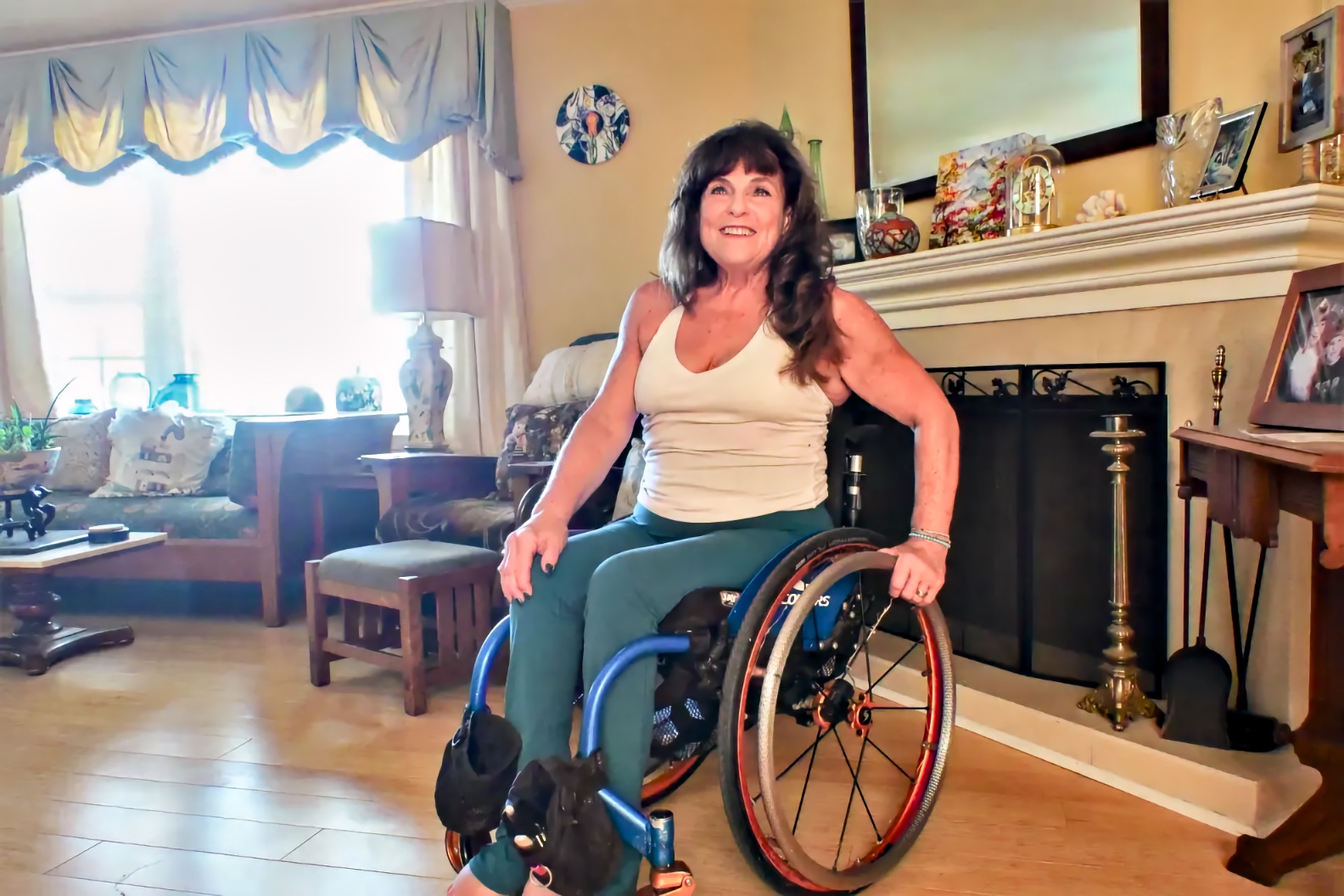
  • Julienne Dallara, who has built her life around advocating for People with Disabilities, at her Camarillo, California home on August 13, 2026. She woke up paralyzed from the waist down thirty years ago because of transverse myelitis, a rare neurological condition, and served as Ms. Wheelchair California in 2024.

    Always a way: Camarillo woman who woke up paralyzed advocates for others

    New

    Thirty years after waking up paralyzed from the waist down because of transverse myelitis, a rare neurological condition, a Camarillo woman has built her life around advocating for People with Disabilities, propelling herself up the ramp at her own home, serving as Ms. Wheelchair California in 2024, and filling her garden with cherry tomatoes and the milkweed she planted hoping monarch butterflies would come, a full life she can live because her home was built to carry her, which is the standing question she puts to every gathering we plan, since the setup of a gathering decides who can take part in it long before anyone arrives.

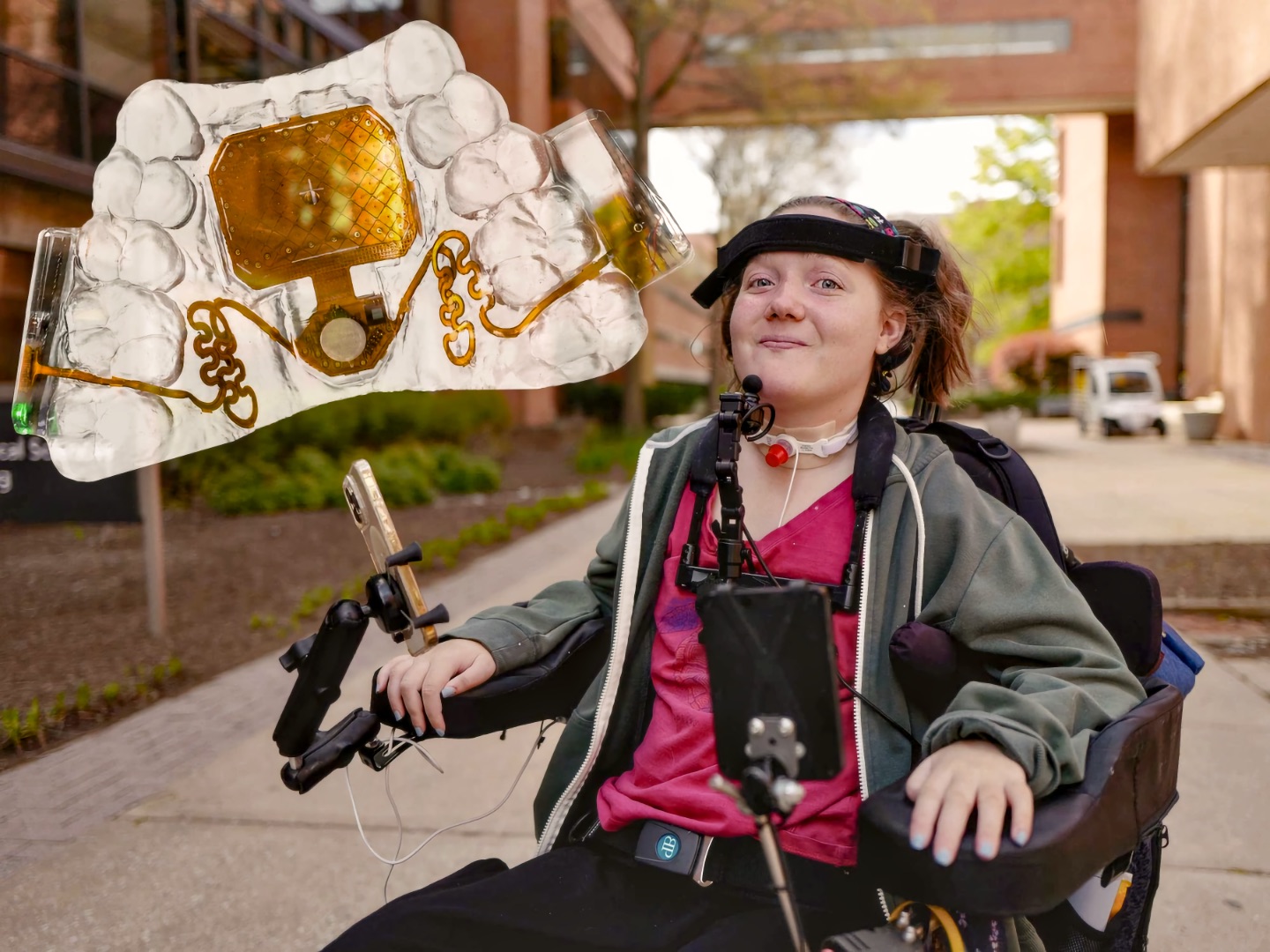
  • Keely Horch, an engineering student at the University of Maryland, Baltimore County (UMBC), uses Mouthpad to interact with computers independently.

    Augmental's Mouthpad Is a Touchpad for Your Tongue

    New

    An engineering student at a public university runs a computer independently using a thin retainer worn against the roof of her mouth, which reads the pressure of her tongue, her sip gestures, and the tilt of her head. That device went on public sale this past July after roughly six years of development built around what People with Disabilities said they wanted, and it delivers hands free Bluetooth control of laptops, phones, tablets, and powered wheelchairs. A designer and disability advocate who has no hands and no shoulder sockets now steers a cursor with his head, clicks with his tongue, and works away from his desk for the first time in his life, and the same team is working toward silent speech for People who can move the mouth and tongue but cannot speak aloud. Access on that scale builds careers and social life at once, and it lands as a duty on our communities every time we produce an email, a flyer, or an event handout to make certain it is accessible and follows the International Accessibility Standards.

  • Priya Addams Williams leads the Shift 20 Initiative at the Dylan Alcott Foundation, which works to increase the representation of People with Disabilities across Australian advertising and marketing.

    Changing Perspectives: Why a room full of well-intentioned people with no lived experience isn't enough

    New

    People with Disabilities are one fifth of the Australian population and almost invisible in the advertising and screen media around them, an absence that quietly sets the limits of what they believe is open to them. Priya Addams Williams, who leads the Shift 20 Initiative at the Dylan Alcott Foundation, argues that a team of well intentioned people carrying no lived experience of disability cannot make work that reaches the audiences it targets, and that goodwill has never been a substitute for expertise. The proof runs through the examples she cites, from an Autistic actor playing an Autistic character in a production where that authenticity carried into the people scripting and making the show, to the Autistic Self Advocacy Network (ASAN) being trusted to speak honestly about every element of a doll's design: when the people making the decisions behind the camera share the experience being portrayed, audiences know it. What that asks of the rest of us is unglamorous and entirely achievable, which is to seek out the expertise we lack, say openly that honest input is wanted, and protect the time real co creation takes instead of squeezing it to hit a deadline.

  • Iowa stations sworn officers inside school buildings like this one, where the report found Black students and Students with Disabilities referred and arrested far above their share of enrollment. Photo courtesy of Pixabay.

    Iowa School Officers Refer and Arrest Black Students and Students with Disabilities at Disproportionate Rates

    New

    A report from the American Civil Liberties Union of Iowa (ACLU of Iowa) reviewing 78 districts found Black students referred to law enforcement at twice the rate of their peers and arrested at 3.7 times that rate, while Students with Disabilities were referred and arrested at 2.3 times the rate of students without disabilities, though national research shows neither group misbehaves more than anyone else. School Resource Officers (SROs) were most often called in over vaping, along with shoving, rumors, and students judged disrespectful, matters teachers and other school staff have always settled, and not one district kept a complaint process specific to those officers. The report asked districts to end these programs, as Des Moines and Ames have, and where they continue, to require training in calming tense situations, bias prevention, students' civil rights, adolescent development, mental health, and disability sensitivity, after finding 27 districts with no training policy at all. Removing barriers begins with preparing the people we count on, and Iowa shows us what happens when we skip that step.

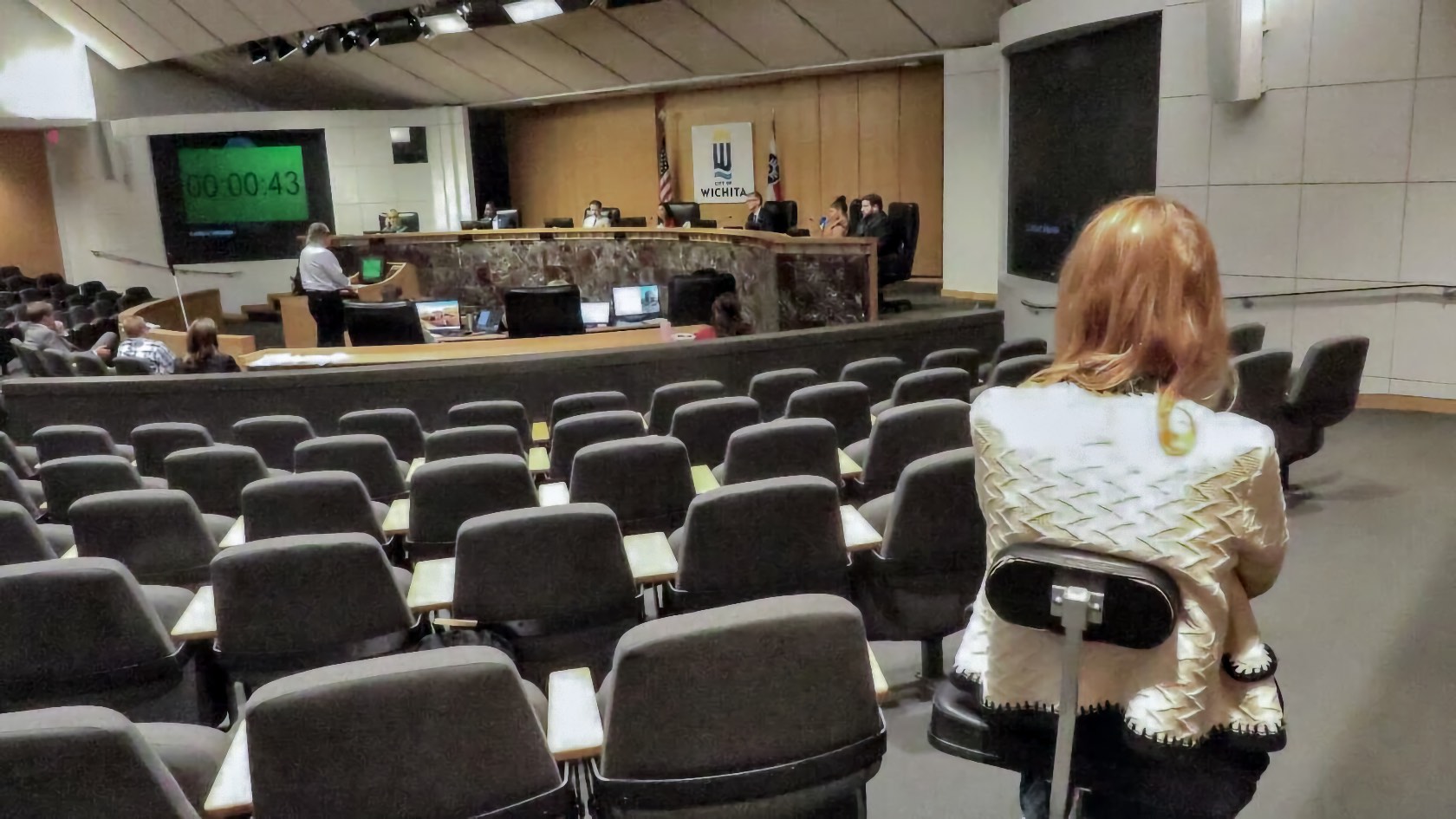
  • Lisa Vayda, chair of the Wichita/Sedgwick County Access Advisory Board, waits for a turn to speak during the hearing on a proposal to reduce the board she leads from 32 members to 7 voting members. She later returned to the microphone to correct the record on evening paratransit service.

    Here's why Wichita needs to listen to its residents with disabilities

    New

    A plan to cut a joint city and county access advisory board from 32 members to 7 voting members was drafted without input from the People with Disabilities who serve on it, then delivered days before the hearing. The gap showed itself immediately: a proposed evening session sounded fair until the board chair rolled her power wheelchair to the microphone to point out that paratransit does not run at night and lift equipped vans leave the road after 7:30 p.m. Every operational failure named as grounds for shrinking the board traces back to the appointing authorities, from seats left empty for over two years, to absent members reappointed anyway, to abandoned minute taking, to a July meeting cancelled for lack of technology support. Disability covers a wide span of distinct barriers, and a governing voice in the rooms where their access is decided is the only arrangement that surfaces the barriers the decision makers never have to cross.

  • Zara Beth is an author and disability advocate who uses a wheelchair on days when her disability affects her mobility and energy most. Her account of finding a broken lift and an out of service stairlift at a major rail station was viewed ten million times and prompted widespread public questioning of whether her disability is genuine.

    I was born with cerebral palsy. Why is disability now a badge of pride for so many young people?

    New

    A video watched ten million times showed a wheelchair user reaching a major rail station to find the lift broken, the stairlift out of service and the portable equipment too narrow for her chair, and when she climbed the steps herself the public argument turned to whether her disability was real rather than to the access that had failed. Her mobility moves from one day to the next, as it does for many People with Disabilities, and being seen on an easier day is treated as proof that the harder days were invented. That doubt is then widened into a claim that diagnosis has lost its meaning and that disability is a route to advantage, spending the credibility of every person with a hidden disability to make the point. We can answer it by taking the justification out of our own registration forms, seating, quiet rooms and transport arrangements, offering access on request without explanation so that People with Disabilities are planned for on their hardest days.

  • Amy Pohl, 33, is a disability rights advocate who documents daily life as a person who uses a wheelchair full time for nearly four million followers on TikTok and Instagram. She says the barriers she meets outside her home, and not her body, are what disable her. Photo courtesy of Amy Pohl.

    Woman Who Became Paralyzed from the Waist Down Says She 'Never Imagined' How Much She'd Be 'Loving Life' Today (Exclusive)

    New

    Amy Pohl, a disability rights advocate who uses a power wheelchair full time, is not disabled inside her own home and becomes so the moment she goes outside, where stepped entrances stop her because People with Disabilities are left until last when buildings and new infrastructure are planned. She points to the Coliseum, opened to People who use wheelchairs, and asks what excuse remains for anyone else. She says having a community matters and built hers online, where four million strangers learned what stops her while her own surroundings never asked, which is why removing barriers across the ordinary life of a community is what builds Vibrant, Diverse, Inclusive, Accessible Communities for People with Disabilities.

  • Mark A. Riccobono, President of the National Federation of the Blind, delivered the 2026 banquet address in Austin, Texas, calling for more Blind voices to carry the movement's theme forward.

    Resonance, Amplification, and Interplay: The Counterpoint of the Organized Blind Movement

    New

    At the 2026 banquet of the National Federation of the Blind (NFB) in Austin, Texas, President Mark A. Riccobono used music as his framework to reject the centuries old idea that blindness is one tragic quality defining an entire person, tracing how Blind People awaken belief in one another and how a movement organized in 1940 turned isolation into collective force built on the differences among its members rather than on sameness. He catalogued how inventively Blind People solve problems and how inventively discrimination answers back, from strangers redirecting a Blind professional at her own workplace entrance to Blind diners handed lidded foam cups while sighted diners received glasses, and he called for more voices to carry the movement's theme forward. Community Builders can act on that this week by asking Blind People what would remove the barriers in an event or program before it is finalized, because planning ahead rather than reacting is how we remove the barriers that keep Blind People out of community life and build Vibrant, Diverse, Inclusive, Accessible Communities.

  • The cast of 504: The Musical during a rehearsal for the world premiere opening August 8 at the Kilstrom Theatre in the Denver Performing Arts Complex. Phamaly Theatre Company has cast Performers with Disabilities exclusively for more than 37 years. Photo by Dallas Padoven.

    Phamaly premieres '504: The Musical' as states try to weaken the law that inspired it

    New

    Nearly five decades ago People with Disabilities occupied federal buildings until officials wrote the rules putting Section 504 of the Rehabilitation Act of 1973 into force. Phamaly Theatre Company now opens its world premiere of "504: The Musical" in Denver while three states press to undo the promise that People with Disabilities receive services where they live rather than inside institutions. The company has spent more than 37 years making professional theater with casts drawn entirely from Performers with Disabilities, shaping rehearsals around the artists present rather than asking them to bend to an industry constructed without them. Its writers recall songs welcomed onto New York stages the performer had no route to reach. The show refuses a flattened celebration and follows a character who is Black, Korean and a Person with a Disability, carrying identities that each single her out. For anyone planning gatherings, programs or services the instruction is concrete. Whether a Person with a Disability takes part is settled by our planning and never by their disability, so plan the access before you set the date, ask on the invitation what each person requires, and invite People with Disabilities to shape the program while it can still change. That is how Vibrant, Diverse, Inclusive, Accessible Communities for People with Disabilities get built.

  • Judy Heumann, disability rights leader and cofounder of Disabled in Action, who led the 1977 San Francisco occupation that forced the federal rules implementing Section 504. Published with the article in The American Prospect.

    Judy Heumann: Tenacious Symbol

    New

    Judy Heumann spent five decades removing barriers that had closed American public life to People with Disabilities, and her standing as the movement's central figure carries the many organizers who died before results arrived. Disabled in Action stopped traffic and blocked buses, and Heumann's 28 day occupation of a federal building in San Francisco in 1977, backed without reservation by the Black Panthers, forced the rules implementing Section 504 of the Rehabilitation Act of 1973 and built toward the Americans with Disabilities Act (ADA) of 1990. Those protections are being taken back now while officials discourage vaccination and defund medical research, leaving People with Disabilities holding nothing but goodwill. The hand cranked lift that raised Heumann to a museum stage in 2020, in a building with no ramp, proves exclusion is manufactured by planning decisions, so Community Builders should walk the route a wheelchair user would take to the podium and to the seating before booking any gathering.

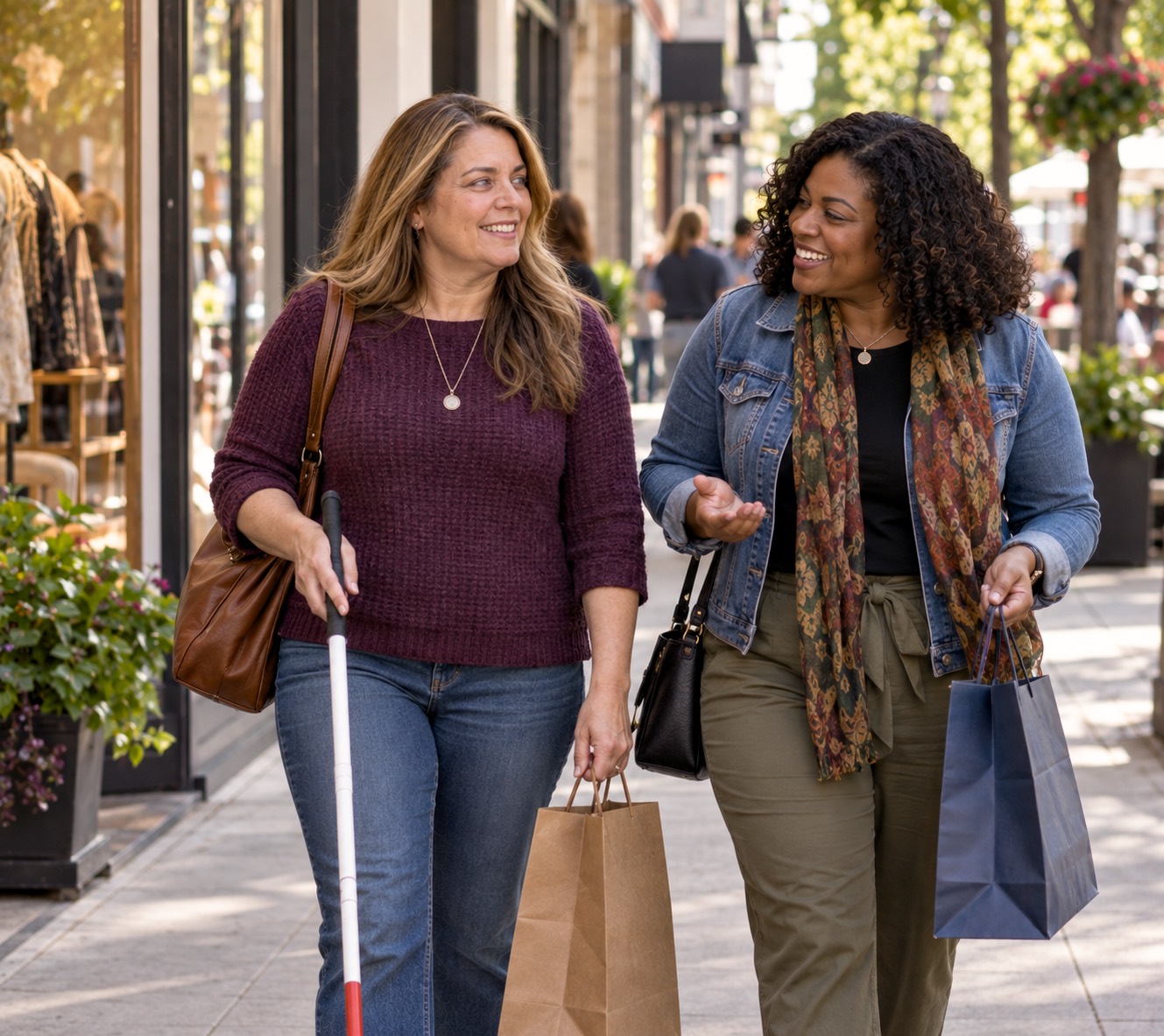
Shopping Together Downtown

Consistently ensuring equitable participation of People with Disabilities in community gatherings and events by planning ahead for Accessibility transforms exclusion and discrimination into a culture of inclusion, respect, belonging, and value.

Question: Is this example of inclusive practices the norm in your community? If not, what barriers need to be removed which prevent inclusive and welcoming participation?


"The challenge facing the friends serving at the grassroots is essentially the same in every place. They must be able to read their own reality and ask: what, in light of the possibilities and requirements at hand, would be fitting objectives to pursue in the coming cycle or series of cycles?"  -- December 30, 2021 UHJ to Conference of Counselors Introducing Nine Year Plan


“Education must be lifelong. It should help people to develop the knowledge, values, attitudes and skills necessary to earn a livelihood and to contribute confidently and constructively to shaping communities that reflect principles of justice, equity and unity.” -Bahá’í International Community, Valuing Spirituality in Development, 18 February 1998


Explore More Compelling Insights:

Learn about topics related to People with Disabilities, Accessibility, Anti-Ableism, Removing Barriers, and the Disability Community? Tap the Explore button to discover something new and intriguing with each tap!