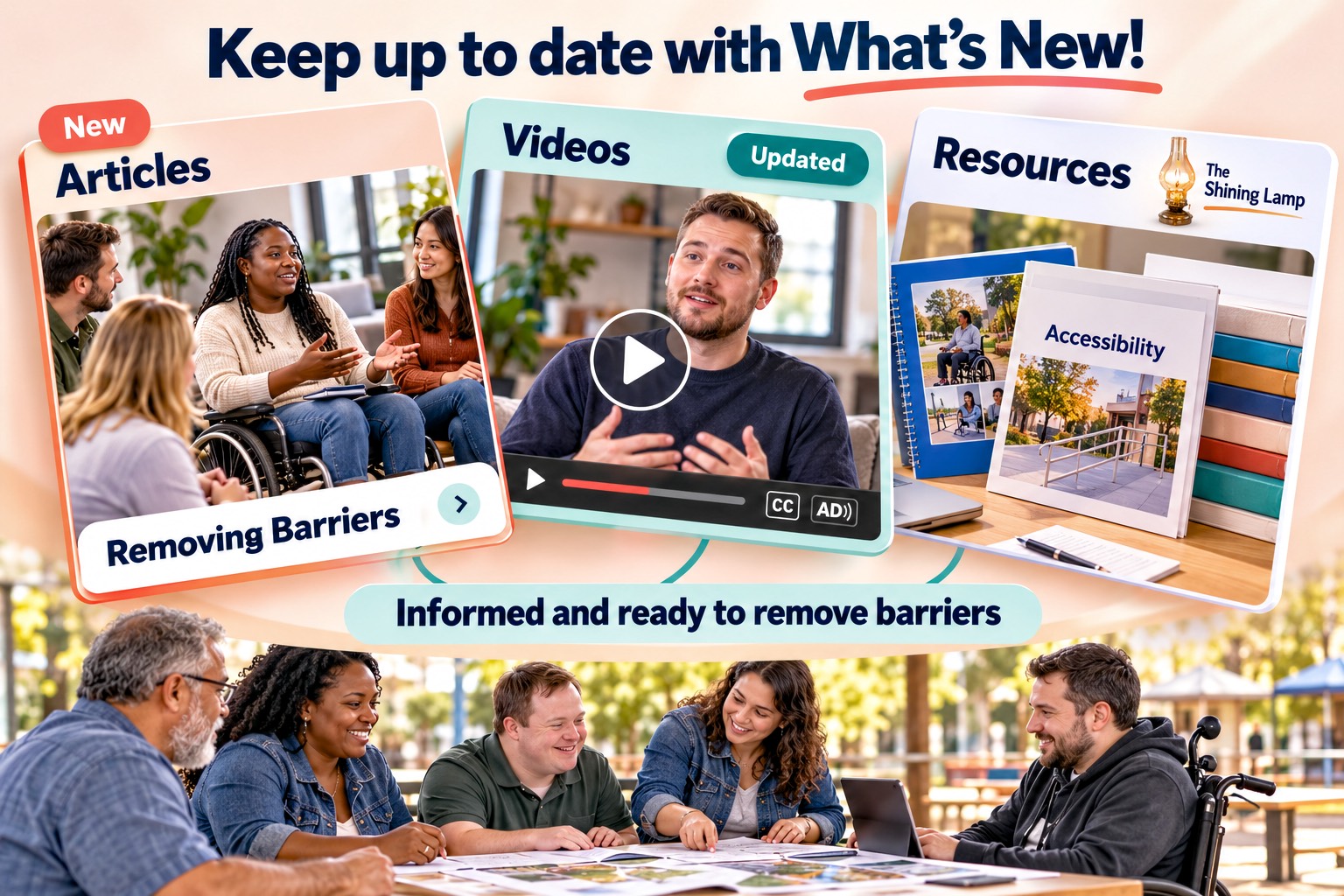

Infographic headed “Keep up to date with What’s New!” features article, video, and resource previews marked “New” and “Updated.” Below, a diverse group, including a wheelchair user, reviews materials together beneath the message “Informed and ready to remove barriers.”

What's New and Updated at The Shining Lamp?

Latest updates

  • Best Practices for Identifying People with Disabilities within an Organization

    Updated

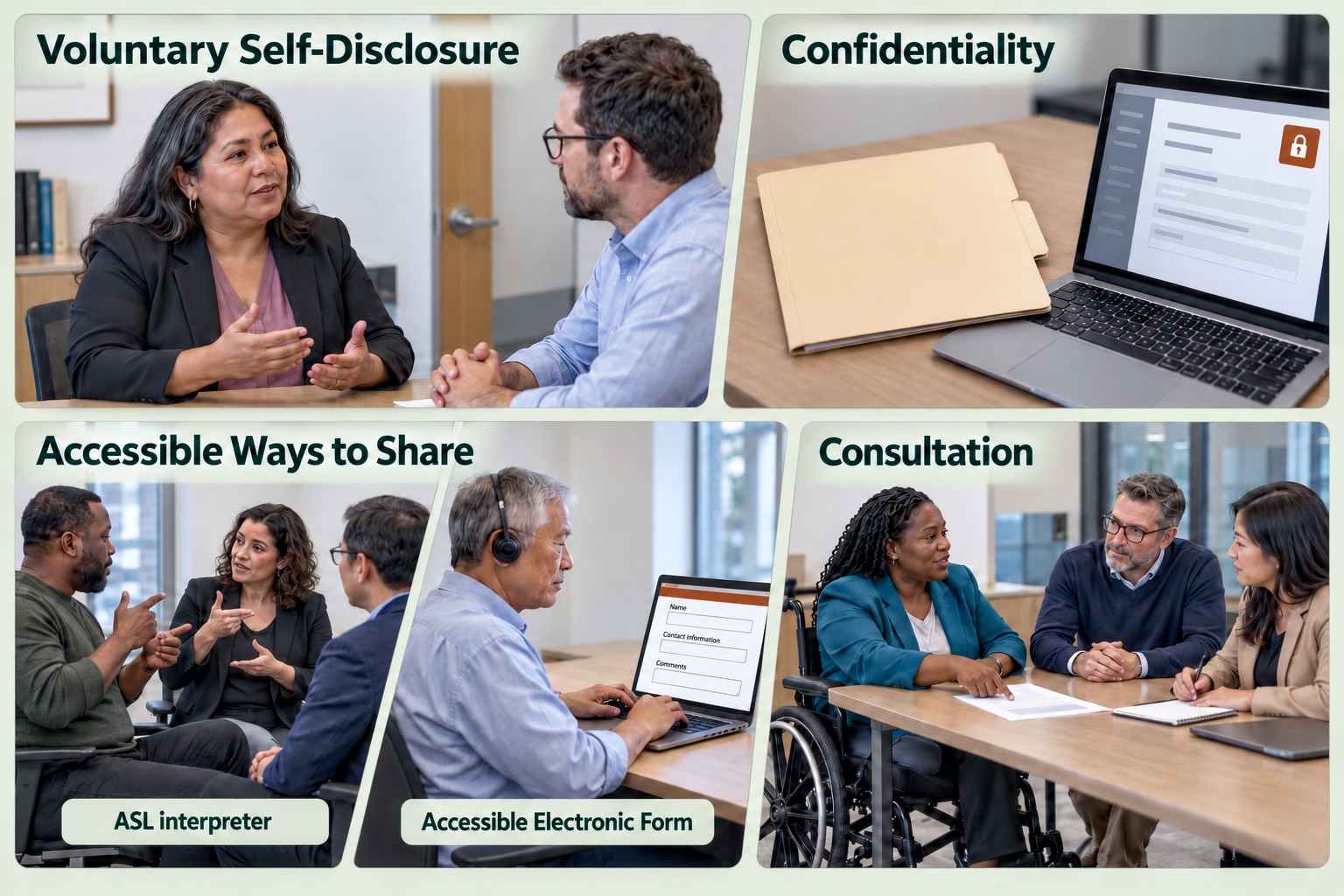
    A community cannot remove barriers it does not know about. This article gives Community Builders a respectful method for learning who chooses to share information about disability and what access members request. Disclosure is voluntary and never a condition of access, members are told exactly who sees what they share, and every channel is accessible. Surveys ask about barriers and functioning instead of diagnoses, and People with Disabilities take part in designing, reviewing, and deciding on the methods. The article also draws on a 2010 letter of the Universal House of Justice about participation and justice, and ends with six questions for reflection.

  • October is Blind Equality Achievement Month

    New

    Remember history. Advance equality. Celebrate accomplishments. Formerly known as Meet the Blind Month, the National Federation of the Blind celebrates the organized blind movement during October. Throughout the month, our members conduct a variety of outreach activities in their local communities. Many of these activities center on White Cane Awareness Day which is October 15.

  • What Message do you Intend to be Sending?

    Updated

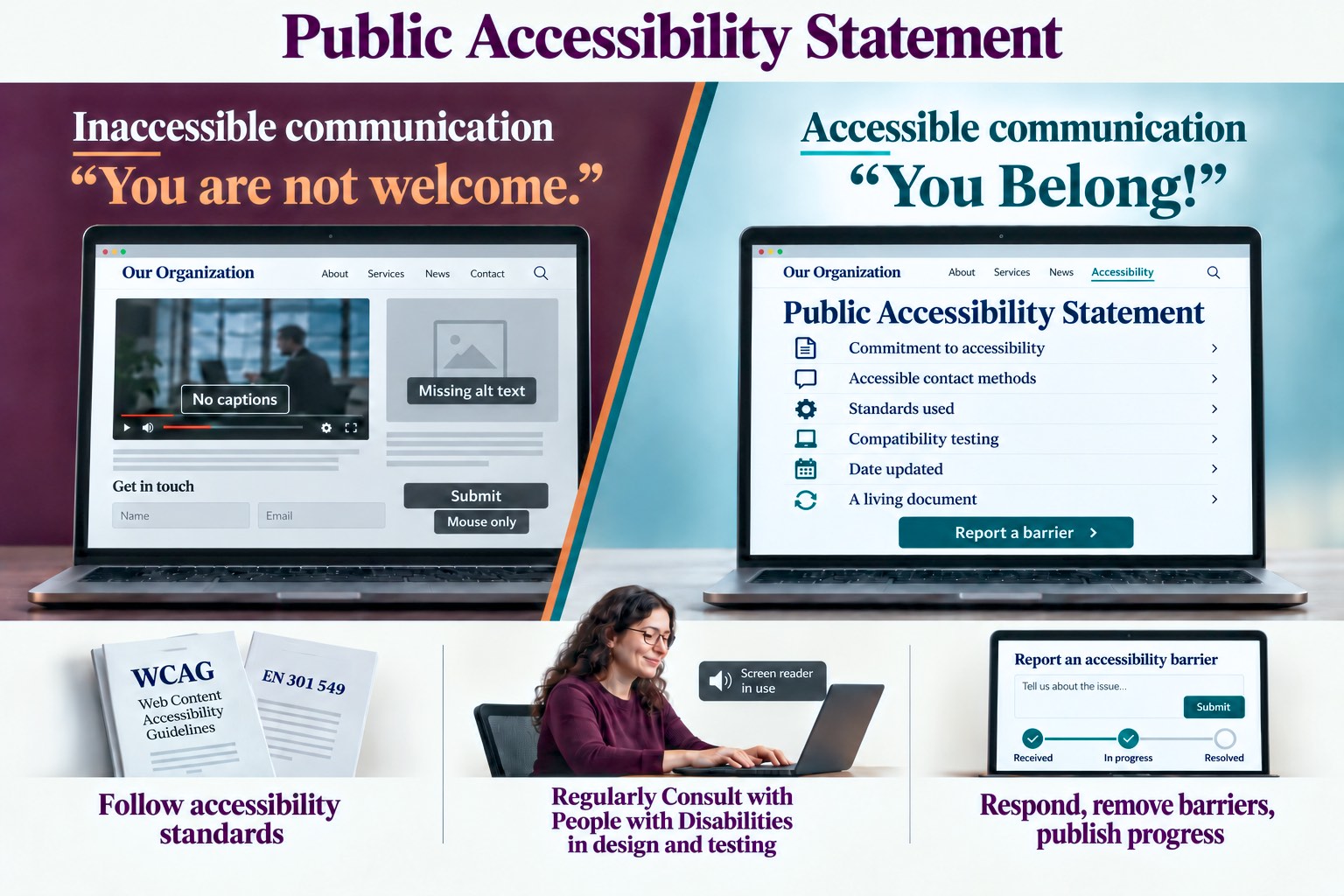
    Your website and communications send a clear message to everyone about how your organization values and treats People with Disabilities. Inaccessible content communicates exclusion: your participation was not planned for, and your access does not matter. A Public Accessibility Statement makes your commitment to inclusion visible and accountable by explaining the standards you follow, providing accessible ways to report barriers, and documenting how you address problems. That commitment requires action: regularly consulting with People with Disabilities in design and testing, training those responsible for communication, removing reported barriers, and publishing progress and interim solutions. Kept accurate and current, the statement becomes a living record of your work toward justice, equity, and a community where People with Disabilities belong and can participate fully.

  • Removing Barriers

    Updated

    A community cannot be united while barriers keep some of its members from participating. Drawing on Bahá’í teachings and ‘Abdu’l-Bahá’s example, this article connects the work of confronting racism, gender inequality, and other forms of exclusion with building lasting peace. It calls for practical action—including accessible gatherings, services, and information—so People with Disabilities and other marginalized members can contribute fully, shape community life, and experience belonging grounded in justice and respect.

  • The Baha'i Faith and People with Disabilities:

    Updated

    According to the Centers for Disease Control and Prevention, more than 1 in 4 adults (28.7 percent) in the United States have some type of disability. They are our neighbors, coworkers, family members, and friends. Every gathering, class, and conversation in our communities is an opportunity to welcome them, to learn from them, and to build together. Community Building In neighborhoods and villages around the world, Bahá’ís and their friends take part in four core activities: children’s classes, spiritual empowerment programmes for young people, devotional gatherings, and circles of study…

  • Unity in Diversity

    Updated

    At the heart of the teachings of Bahá’u’lláh is the oneness of the human family: “It is not for him to pride himself who loveth his own country, but rather for him who loveth the whole world. The earth is but one country, and mankind its citizens.” -Bahá’u’lláh, Gleanings from the Writings of Bahá’u’lláh, CXVII In another passage He wrote: “The tabernacle of unity hath been raised; regard ye not one another as strangers. Ye are the fruits of one tree, and the leaves of one branch.” Oneness does not mean sameness. ‘Abdu’l-Bahá explained: “The diversity in the human family should be the cause…

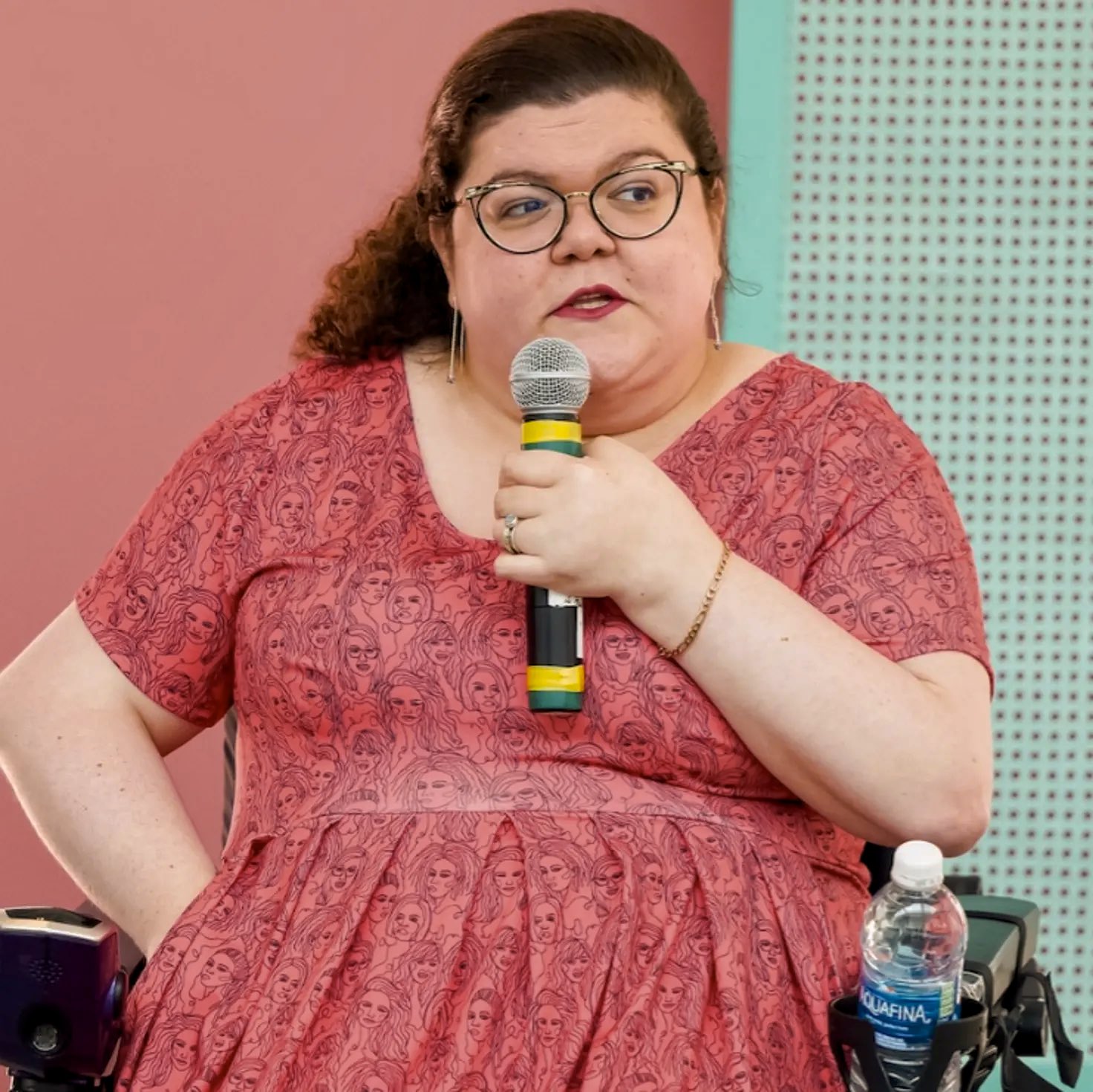
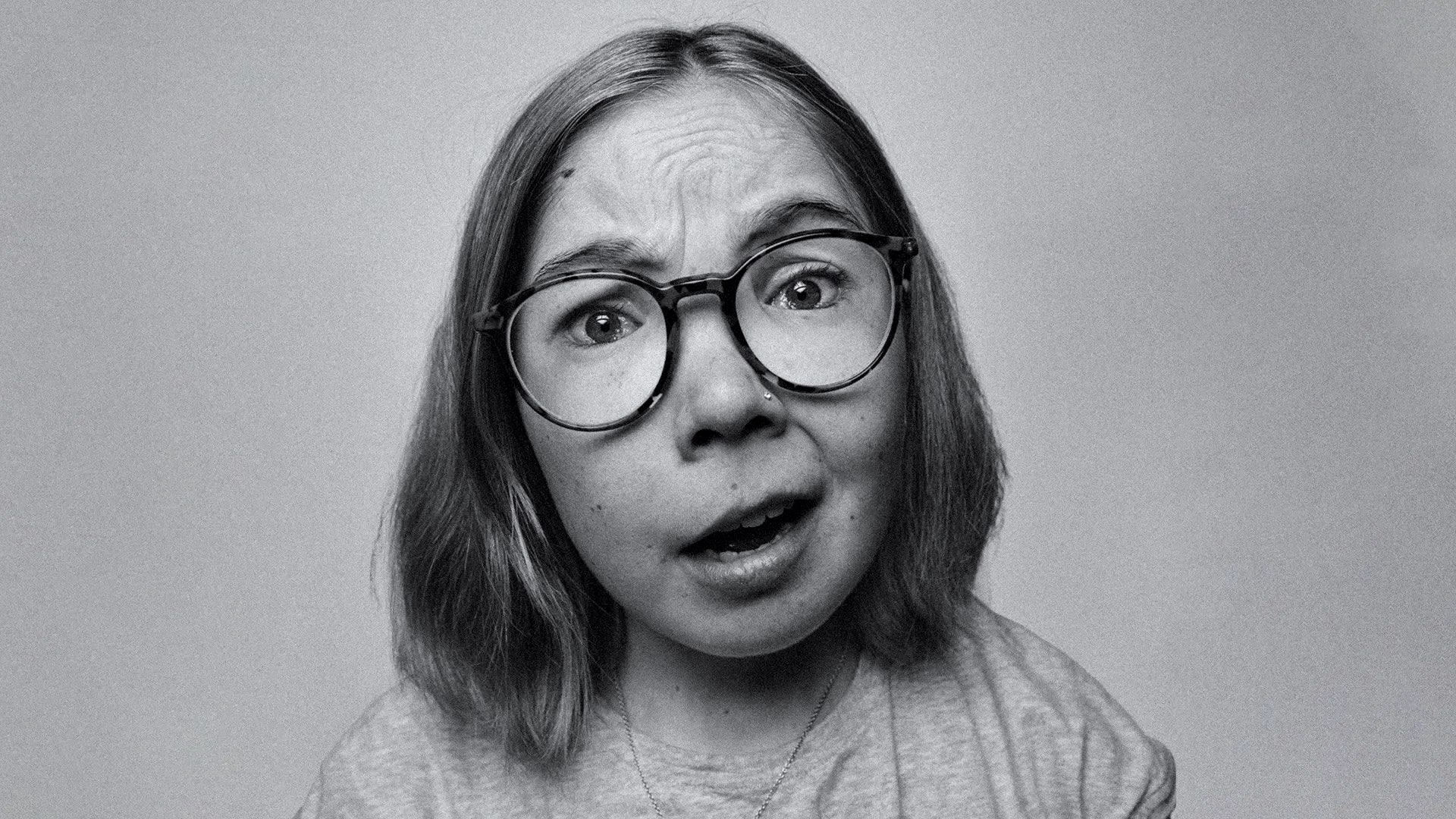
  • Author and disability activist Emily Ladau, whose revised edition of Demystifying Disability explores identity, rights, and allyship.

    She Appeared On ‘Sesame Street’ At Age 10 To Talk About Disability. Decades Later, She's Still Fighting.

    New

    Disability activist and author Emily Ladau first spoke about disability on Sesame Street at age 10, and her new edition of Demystifying Disability lands as disability rights are being rolled back. She treats disability as part of her identity, answered an airline's damage to her wheelchair by making it sparkle, and warns the Individuals with Disabilities Education Act (IDEA) has never been fully funded while protections for disabled students slip further. Her guidance on allyship is direct: ask each disabled person what they want, because one disabled person cannot speak for every other.

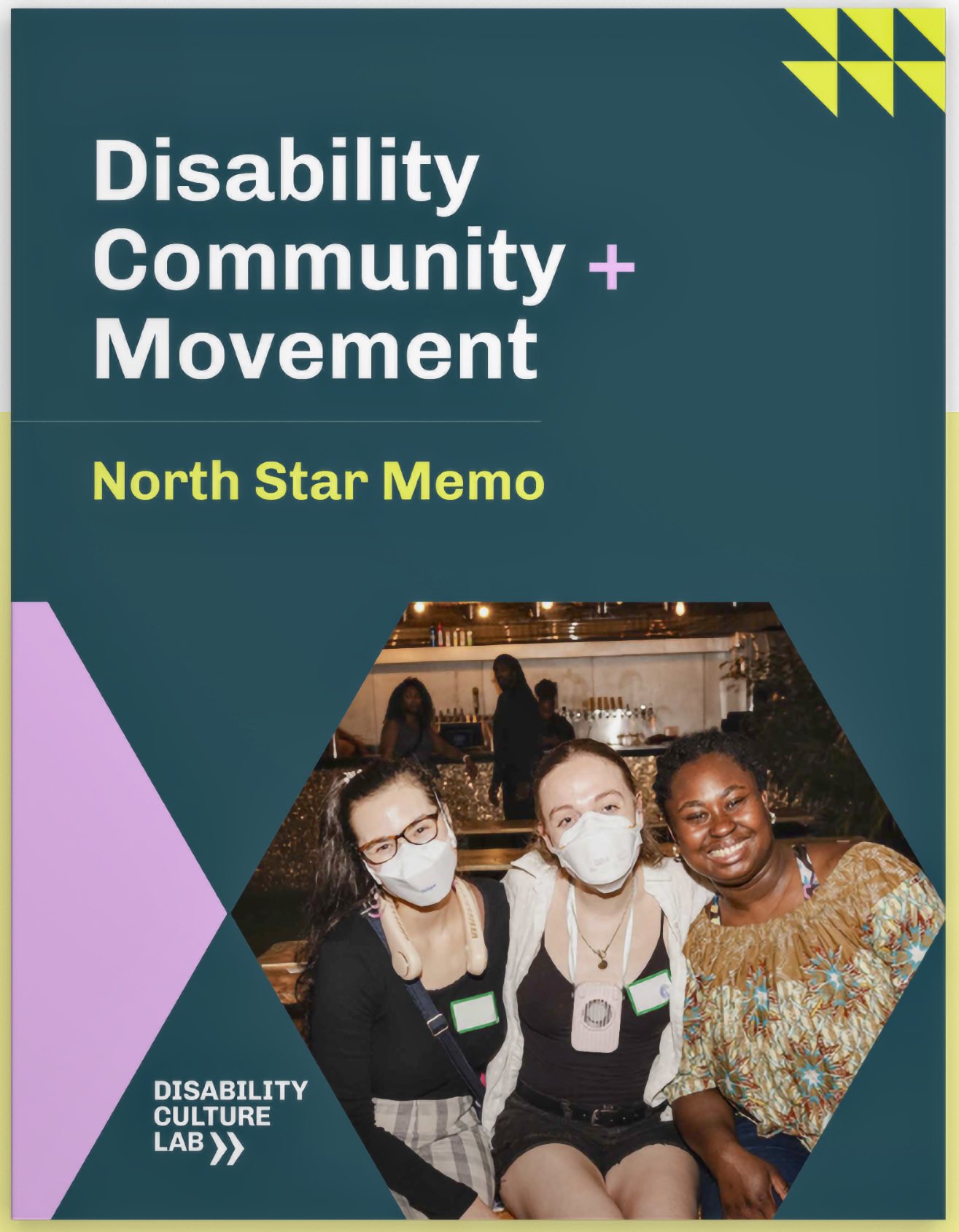
  • Disability Culture Lab released the memo this fall after a year of visioning with close to 50 disabled leaders. It comes in plain language and large type versions alongside the full text.

    A New Disability Memo Has Lessons For Employers, Funders And Policymakers

    New

    The North Star Memo, built over a year by close to 50 disabled leaders and backed by over 20 groups working for disability justice and rights, puts People with Disabilities in charge of imagining the future instead of inviting them in once the decisions are made. It argues that who becomes disabled is shaped by choices made for profit and power, that the weight falls hardest on trans people and on Black and Indigenous women, and that interdependence and care deserve the same standing as roads and broadband. For us, the lesson is to bring disabled people into our planning while it is still taking shape.

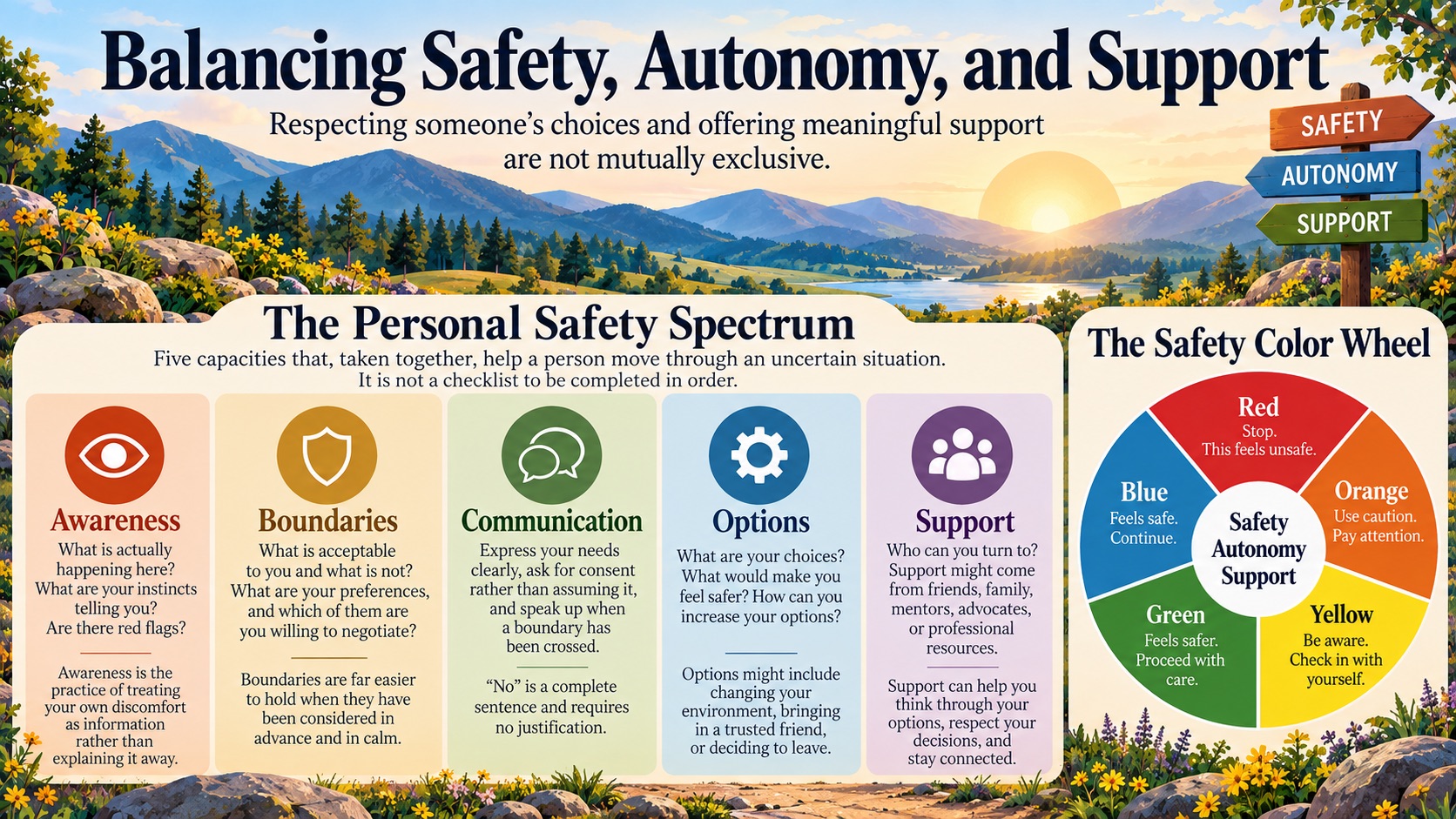
  • Image courtesy of ShiningLamp, provided to help visualize the concepts of safety, autonomy, support, personal boundaries, communication, and situational awareness discussed in this article.

    Balancing Safety, Autonomy, and Support

    New

    At the 2026 gathering of the National Federation of the Blind (NFB) in Austin, Texas, the NFB Blind Survivors Group gave Blind People two practical tools for personal safety: the Safety Color Wheel and the Personal Safety Spectrum. Participants set blame aside and kept returning to one truth: respecting a person's choices and standing beside her fit together, just as offering an arm respects her and grabbing one does not. Naming trouble early, while it is still yellow or orange, and reaching out to trusted people is strength, not weakness.

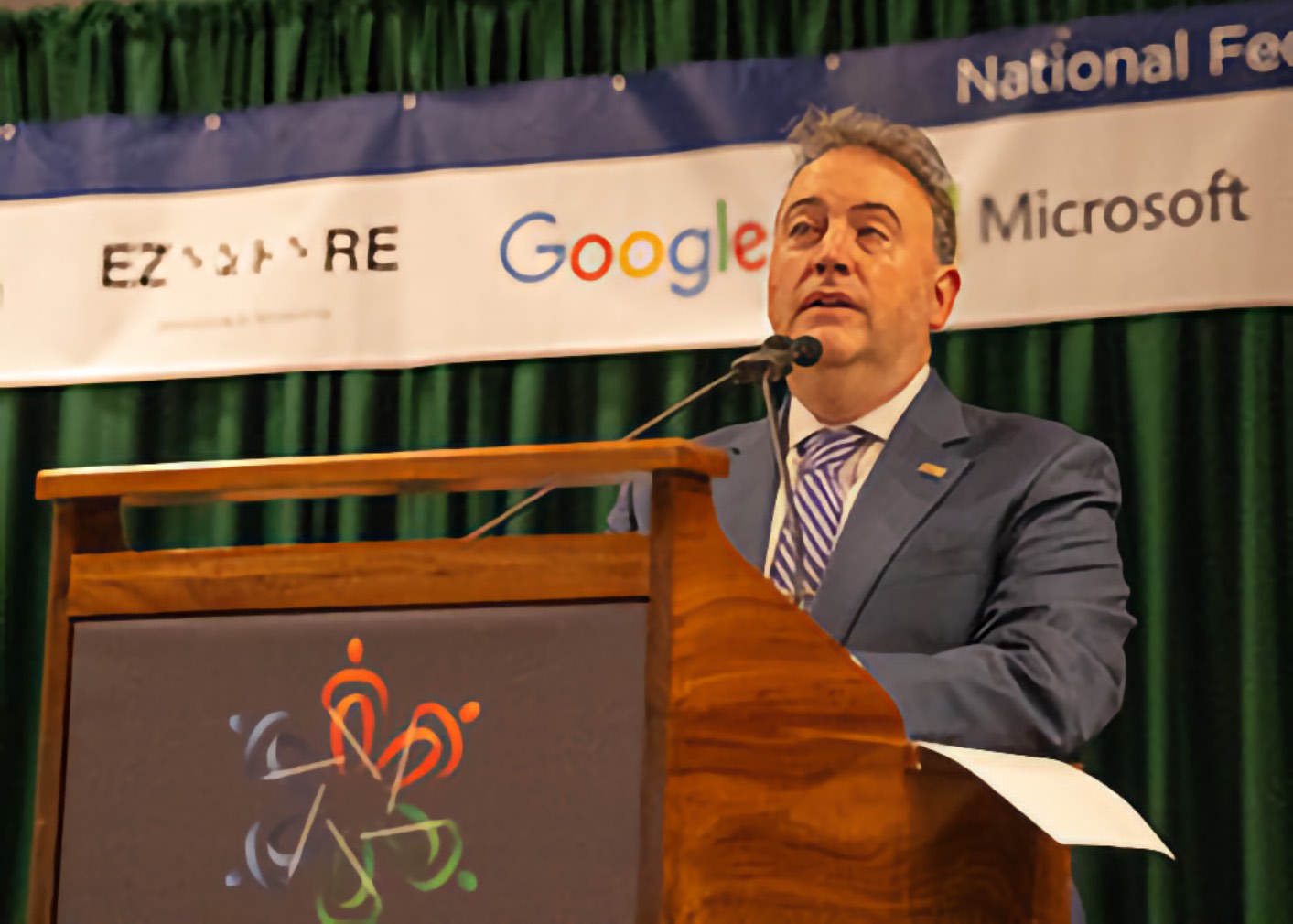
  • Mark A. Riccobono, President of the National Federation of the Blind, delivering the 2026 Presidential Report at the national convention in Austin, Texas, on July 6, 2026. The report tracks a year of Blind People removing barriers in schools, jobs, and public life.

    People Who Are Blind Remove Barriers in Schools, Jobs, and Public Life Through the Bonds They Share

    New

    The 2026 Presidential Report of the National Federation of the Blind (NFB) set out a year in which Blind Americans were still refused the equality this country declared 250 years ago. A boy of eleven was ruled to have too much sight to keep his Braille, a physical therapist who is Blind lost a job offer the day after he disclosed his blindness, and federal agencies postponed long awaited web accessibility rules days before they were due. Blind People answered by winning back services, recording their own history, and claiming a place at the first stage of every plan, which is where removing barriers begins.

  • What is Responsive Design (RD)?

    Updated

    Responsive design is an approach to creating online content so it automatically adjusts to look good and stay easy to use on any screen, whether it's a phone, tablet, or desktop computer. Responsive design isn't just a trend: it's a necessity. Without it, you risk excluding a significant number of readers from accessing your content and information. In today's digital landscape, where users are accessing websites and content from a myriad of devices, responsive design is the key to ensuring inclusivity and accessibility. PDF Is Not Responsive Design PDF does not work as Responsive Design on…

  • Building Inclusive Communities: Learning from ʻAbdu'l-Bahá's Examples on Valuing Marginalized Members

    Updated

    ʻAbdu'l-Bahá the perfect exemplar and extoller of all of the virtues of what it means to be what we are intended to be as humans, was the host of many gatherings and events. From the many stories of his travels and engagements, we know that his attention, care, and focus, was on Unity and Justice, and always on Inclusion of those who were considered to be historically marginalized populations, including those with disabilities.

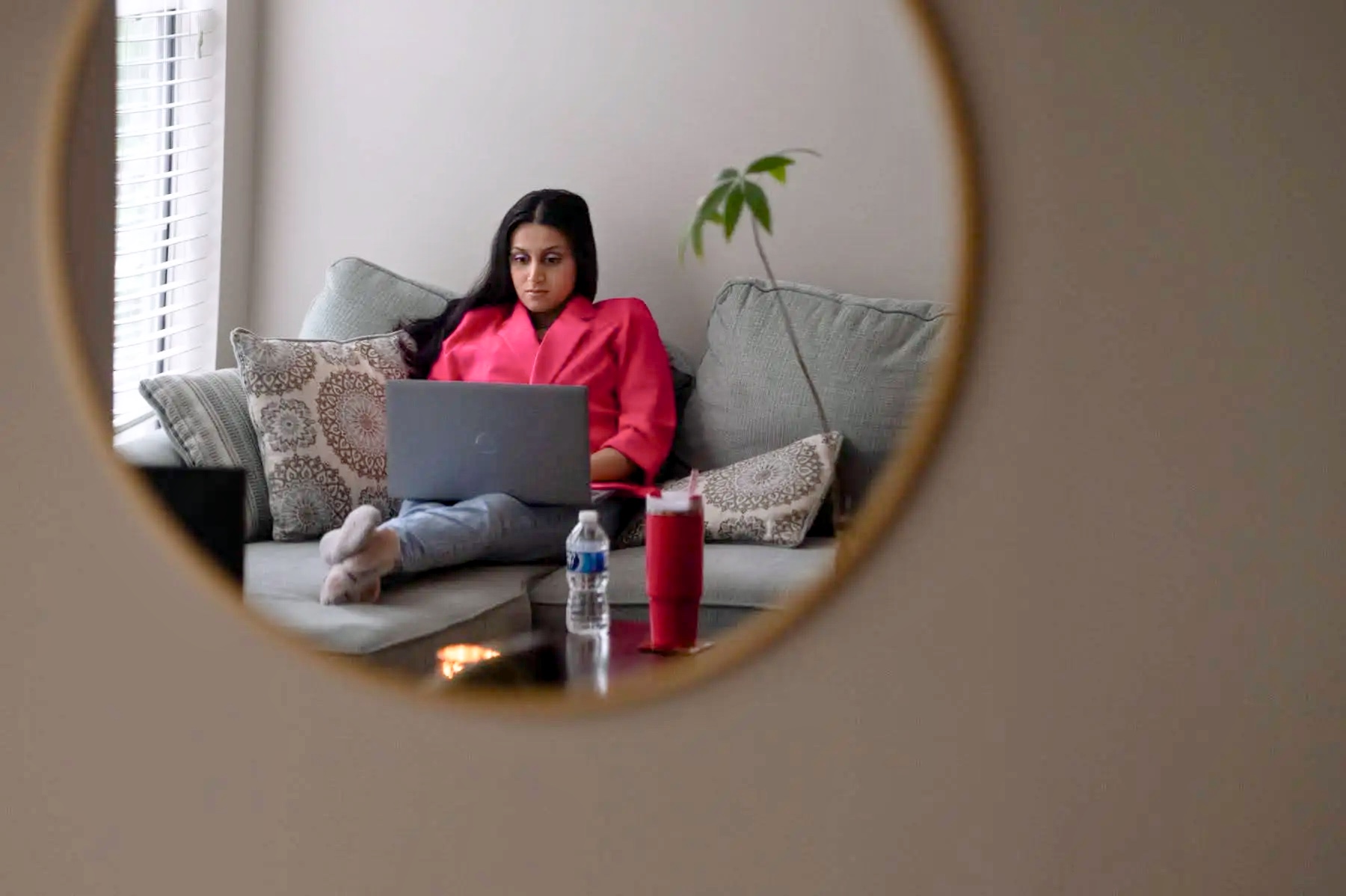
  • Zarin Hamid at her apartment in Coraopolis on Aug. 20, 2026. Hamid works from home in cybersecurity, the field she returned to after she was fired for requesting the access the Americans with Disabilities Act already guarantees her. (Photo by Stephanie Strasburg/Pittsburgh's Public Source)

    My disability wasn't the problem. The assumptions about it were.

    New

    Zarin Hamid spent years being asked to prove ability she had already shown. Employers asked what was wrong with her voice, then said she had no experience, and neither reason had anything to do with her skills. She excelled at a Pittsburgh bank until new leadership brought harassment, constant criticism, and the message that the team held no path forward for her. At her next job she asked for the access the Americans with Disabilities Act already guarantees her, waited four months, and was fired sixty days after it was granted, losing her health insurance while her testing was unfinished. A casino evaluator later failed her audition for not being loud enough, an instructor pushed for a second audition, and she passed, then returned to cybersecurity within days.

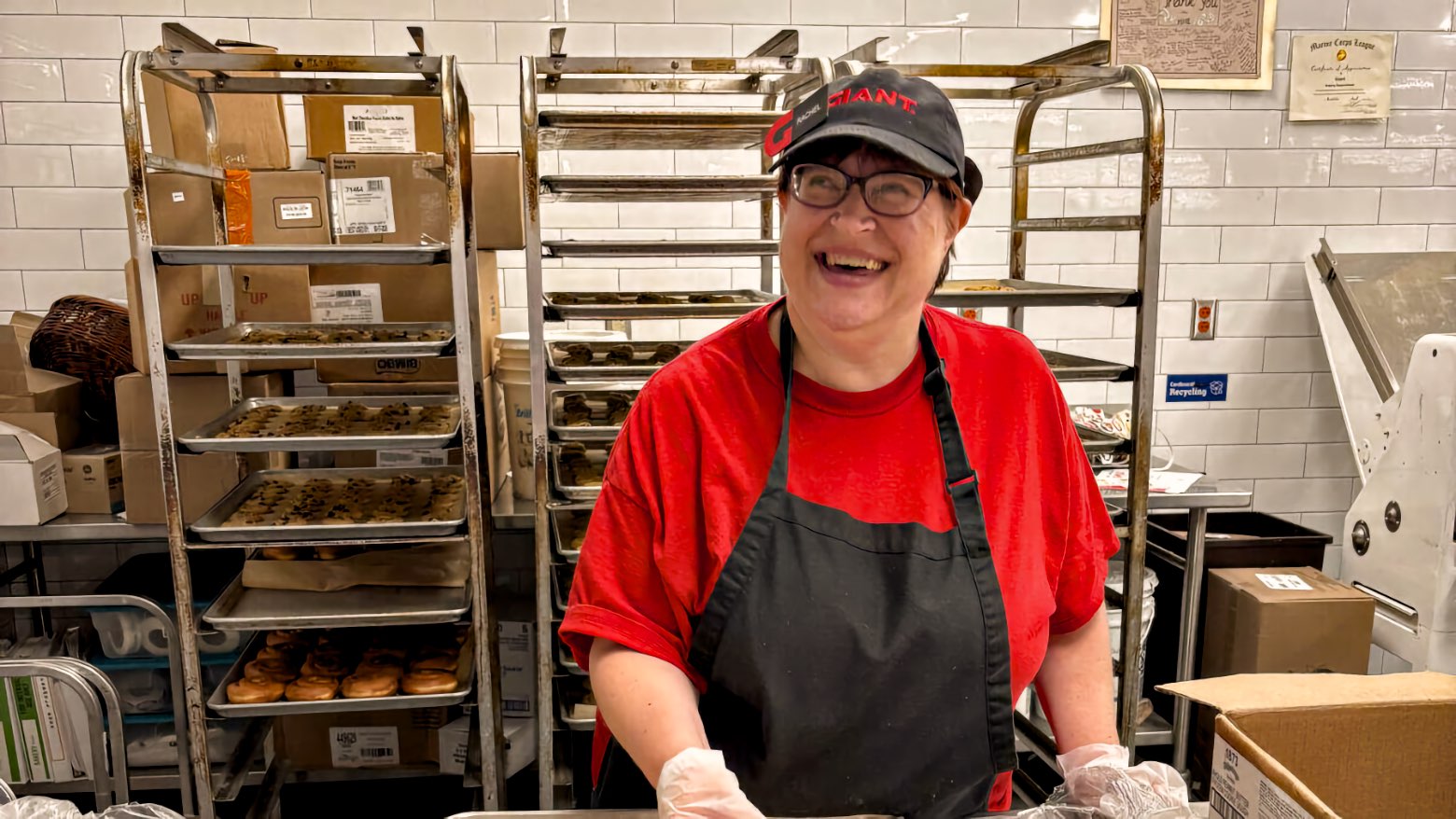
  • Rachel prepares cookies for baking in the bakery department at Giant, where she works. She is one of the Workers with Disabilities who described what a job gives them: coworkers with a positive attitude, managers who answer her questions, and the best job she has ever had.

    Helping hands: Why National Disability Employment Awareness Month matters

    New

    Every October, National Disability Employment Awareness Month puts a spotlight on what Workers with Disabilities bring to their jobs, running this year under the theme Celebrating Value and Talent alongside the nation's 250th birthday. The workers say it plainly: a job means new people, coworkers with a positive attitude, managers who answer questions, a team to belong to, pride in being named employee of the month, and wages for the things they love. The observance grew from a single week in 1945 to all of October in 1988 because people removed barriers and refused the doubts stacked against Workers with Disabilities. A job carries purpose, independence, and the chance to be valued as the person you already are.

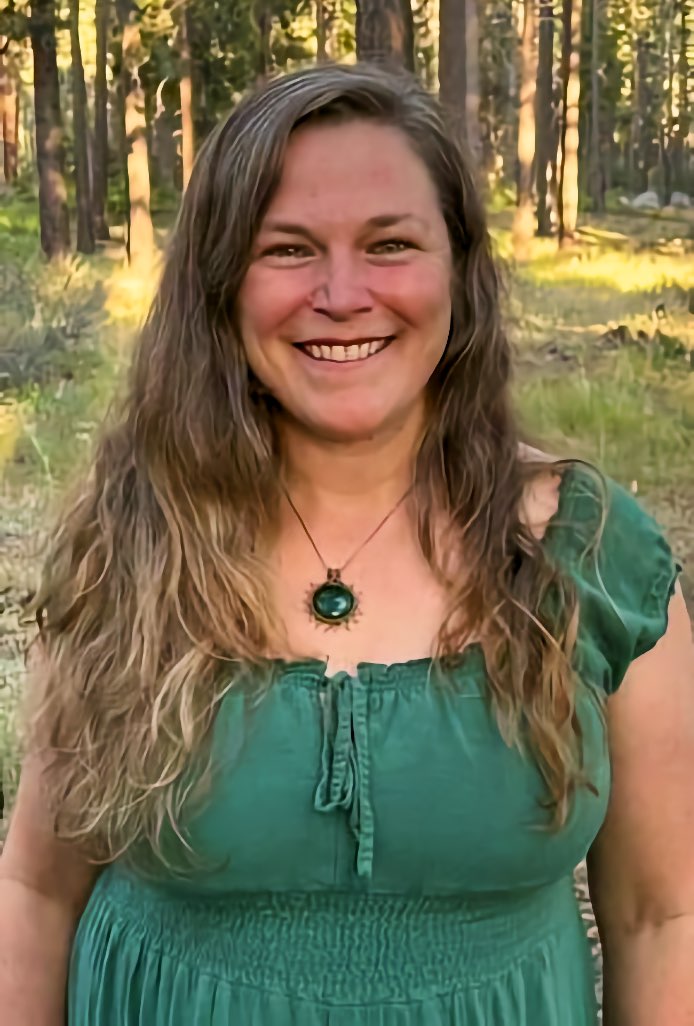
  • Angie Reagan, a Physical Therapist with a Disability, founder of Access Tahoe and Peace Love Tahoe, and community advocate, wrote the opinion piece calling for access to be built into the Lake Tahoe region's future.

    A sustainable Tahoe must be an accessible Tahoe

    New

    .

    An opinion piece on the future of the Lake Tahoe region argues that a place protected for thirty years is still built for a narrow slice of the people who love it, where the beach, the trails, the snow, and the events open only to those who can already reach them and anyone asking for access is told to justify the request. More than one in four adults in the United States is a Person with a Disability, and real access is designed from the first meeting for cognitive, psychiatric, sensory, communication, physical, and non apparent disabilities rather than counted off a list of ramps and parking spaces. The familiar answers about short capacity, short money, and mission scope are choices that hand the work back to the People with Disabilities already shut out, because access is not charity granted when it is convenient. Sustainability that guards water and forests but not the people who love the lake preserves only half of it, and People with Disabilities belong in planning seats, paid consulting roles, and leadership positions before the barrier is ever built.

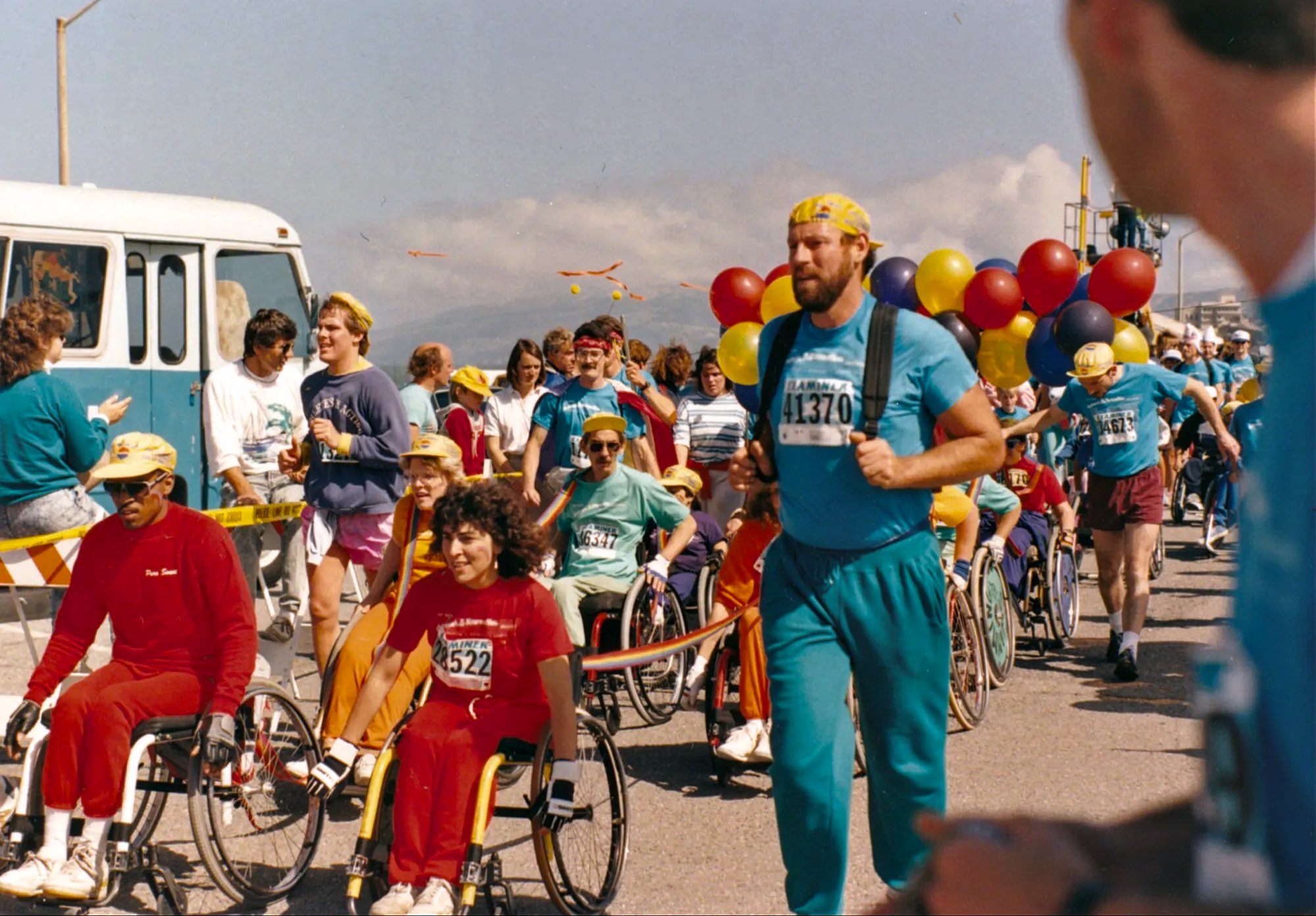
  • Members of the Bay Area Outreach & Recreation Program take part as a wheelchair centipede tram in the San Francisco Bay to Breakers race in 1988, roughly a decade into the fifty years of programming the organization is now marking. Courtesy: BORP

    Fifty Years of Removing Barriers to Recreation for People with Disabilities

    New

    In 1975 a student who used a wheelchair was turned away from a campus swim class, wrote a paper describing recreation run by and for People with Disabilities, and won city funding to build it. Fifty years later the Bay Area Outreach & Recreation Program (BORP) runs about twenty activities a week, more than half its staff are part of the disability community, and its online classes drew over a thousand people from Alaska to Poland once transportation barriers were removed. The lesson holds for the events we plan: interest was never the missing piece, and leadership by People with Disabilities is what turns a program into a place people belong.

  • Bella Roberts, an editorial trainee and aspiring film and television editor whose posts about post production reach more than a million followers.

    People with Disabilities having to work 10 times harder to live their life and pursue their dreams

    New

    Bella Roberts edits film and television and has primary lymphoedema, and the route into her industry was built as though those two facts could not sit together: runner jobs that demand constant physical labour, an interview room two flights above the entrance, and a hiring process that treats naming what you require as a reason to pick somebody else. People with Disabilities hold just 9.7 percent of off screen roles against a national workforce figure of 20 percent, and Roberts reached a first editorial trainee credit only after a video asking for a chance travelled to more than a million people. Access should never depend on an audience, and communities that plan inclusion in before anyone shows up do not make people earn the right to get through the door.

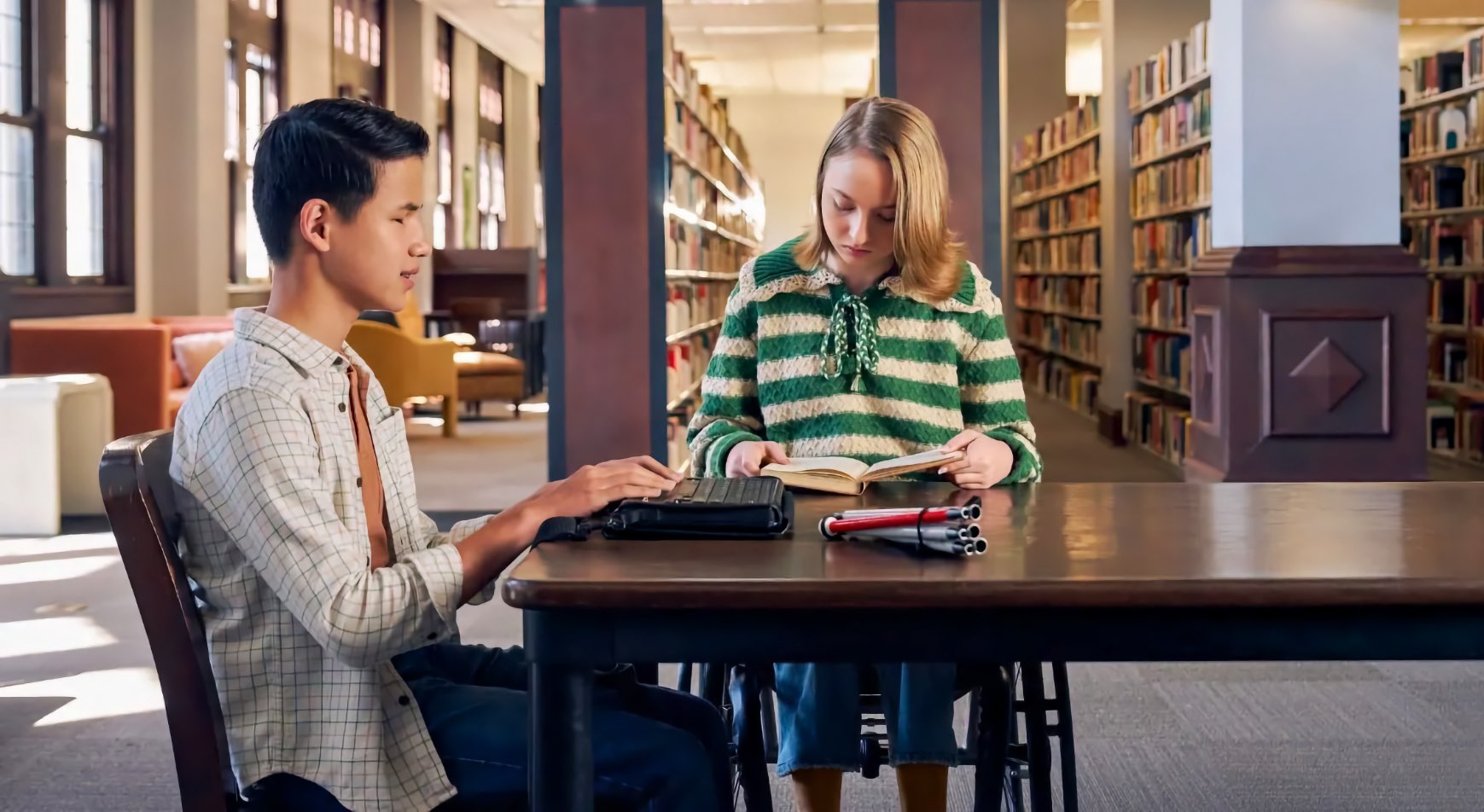
  • Two teenage friends read together in a library, from the generations the article describes: Millennials and Generation Z moved through education after the Americans with Disabilities Act and now reach for mobility aids years earlier, arriving at work with disability already understood as an identity carried openly. Photograph by Justin Kaneps.

    Why More Young People Are Using Mobility Aids, And Why That's Good News For Employers

    New

    Disbelief is a barrier exactly the way a staircase is a barrier, and it keeps People with Disabilities standing at the networking event rather than asking for a chair. Ambulatory mobility aid users, who use a cane, crutches, a rollator, or a wheelchair some of the time rather than all of the time, match the tool to the demand and spend a fixed energy budget on the destination instead of the journey. Conditions concentrated in people assigned female at birth were called imagined for decades, costing ten years and fifteen clinicians per patient, while insurance denials and coverage judged on what a person does inside their own home keep the equipment out of reach. Millennials and Generation Z moved through school after the Americans with Disabilities Act, reach for aids years earlier, and stay in work because of it. In the 1970s students in Berkeley cut ramps into the curbs themselves, and the curb cuts they made now carry strollers, suitcases, and trolleys.

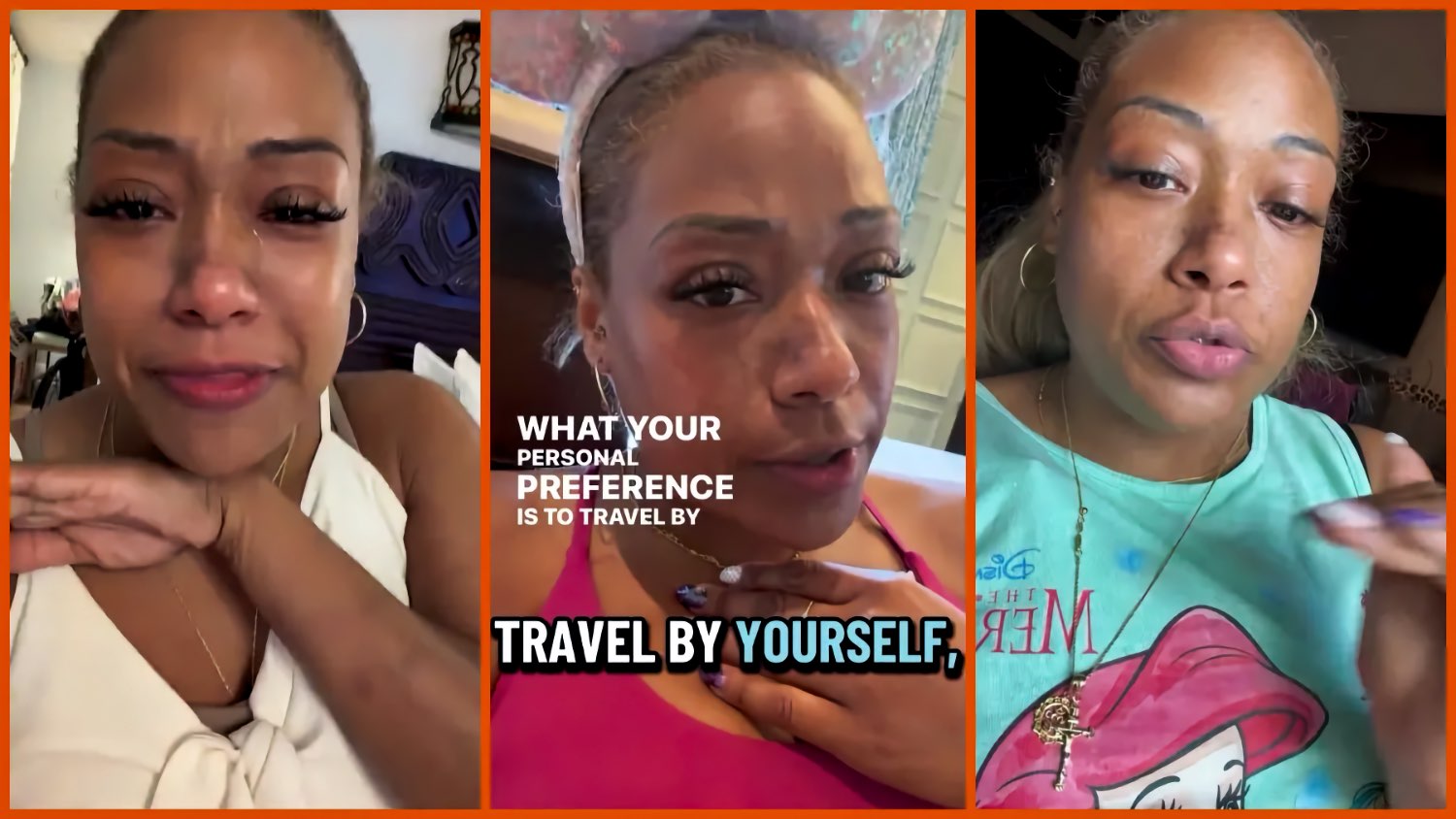
  • Andrea Dalzell, a human and disability rights advocate posting as theseatednurse, recorded the three video updates in which she documented a room sold to her as accessible, her exchange with resort staff, and her eventual move to a different room.

    Magic has limits: Woman in wheelchair is excited about solo travel to Disney World. Then she learned her ‘accessible’ hotel needed a companion

    New

    She traveled to a large resort by herself and opened the door on a room flagged accessible in the booking system, where the thermostat sat above her arm, the curtains stayed out of range, the switches were hung for somebody standing up, the coffee setup was decoration, the door was heavy enough to turn her arrival into a barrier, and the bathing area could not be used without soaking her completely. She reported it and was told accessible design is mostly the bathing and sleeping areas, and that People with Disabilities usually turn up with somebody, which is a belief about who books rooms dressed up as an excuse. The same operator runs step free routes, rentals, a queue access service, companion restrooms and an attraction app across its parks, which is precisely what makes the room indefensible, and she named the cause herself as nothing being held to one standard and nobody having learned the actual way People with Disabilities use a space. A workable room arrived only after two escalations, by which point she was weighing an early flight home against forfeited money, so while our own guests are still planning their travel to our activities, events, programs and services, deciding from our flyers, our forms and our materials whether they can take part at all, we can travel the route ourselves and remove every point that only works when a second person is standing there.

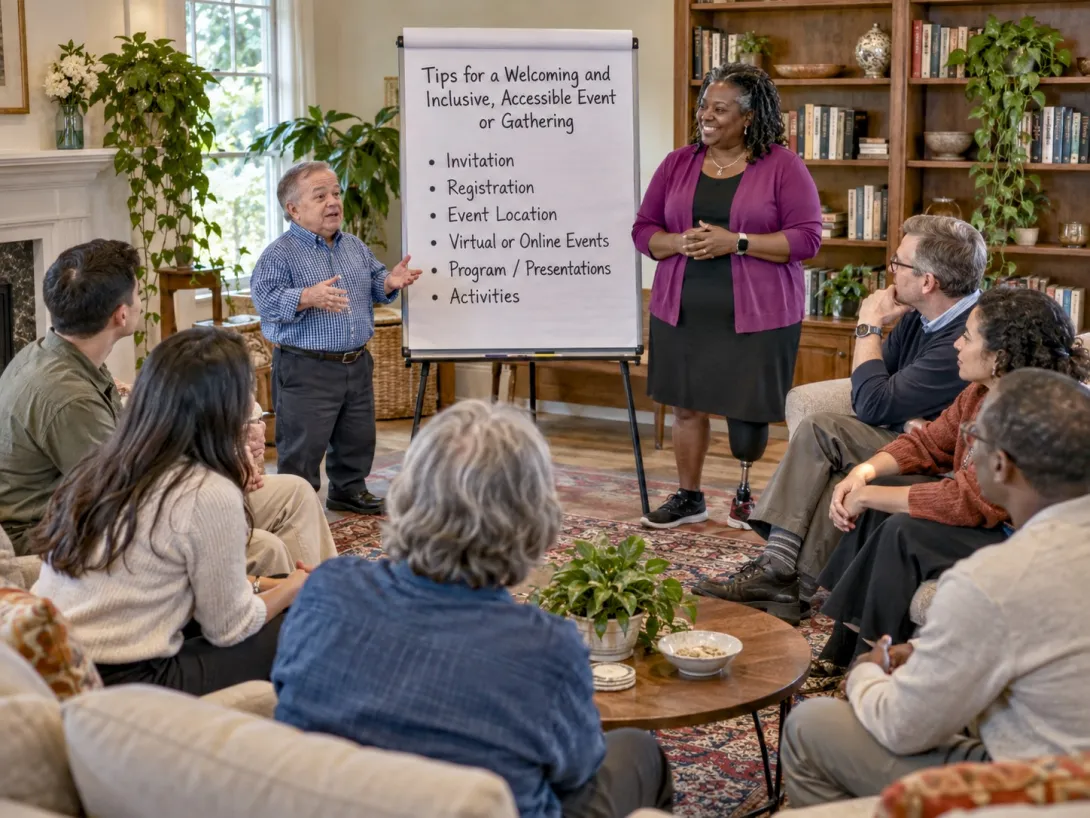
In a living room with a fireplace and bookshelves, an older Latino man of short stature speaks beside a Black woman in her fifties with a prosthetic left leg, presenting a flip chart of tips for welcoming, inclusive, accessible events. Seven people listen from a circle of chairs.

Accessibility planning thrives when guided by the lived experiences and expertise of People with Disabilities, underscoring their essential role in creating inclusive spaces.

Question: Is this example of inclusive practices the norm in your community? If not, what barriers need to be removed which prevent inclusive and welcoming participation?


"The challenge facing the friends serving at the grassroots is essentially the same in every place. They must be able to read their own reality and ask: what, in light of the possibilities and requirements at hand, would be fitting objectives to pursue in the coming cycle or series of cycles?"  -- December 30, 2021 UHJ to Conference of Counselors Introducing Nine Year Plan


Explore More Compelling Insights:

Learn about topics related to People with Disabilities, Accessibility, Anti-Ableism, Removing Barriers, and the Disability Community? Tap the Explore button to discover something new and intriguing with each tap!