
Striving to remove barriers that prevent us from building Vibrant, Diverse, Inclusive, Accessible Communities!
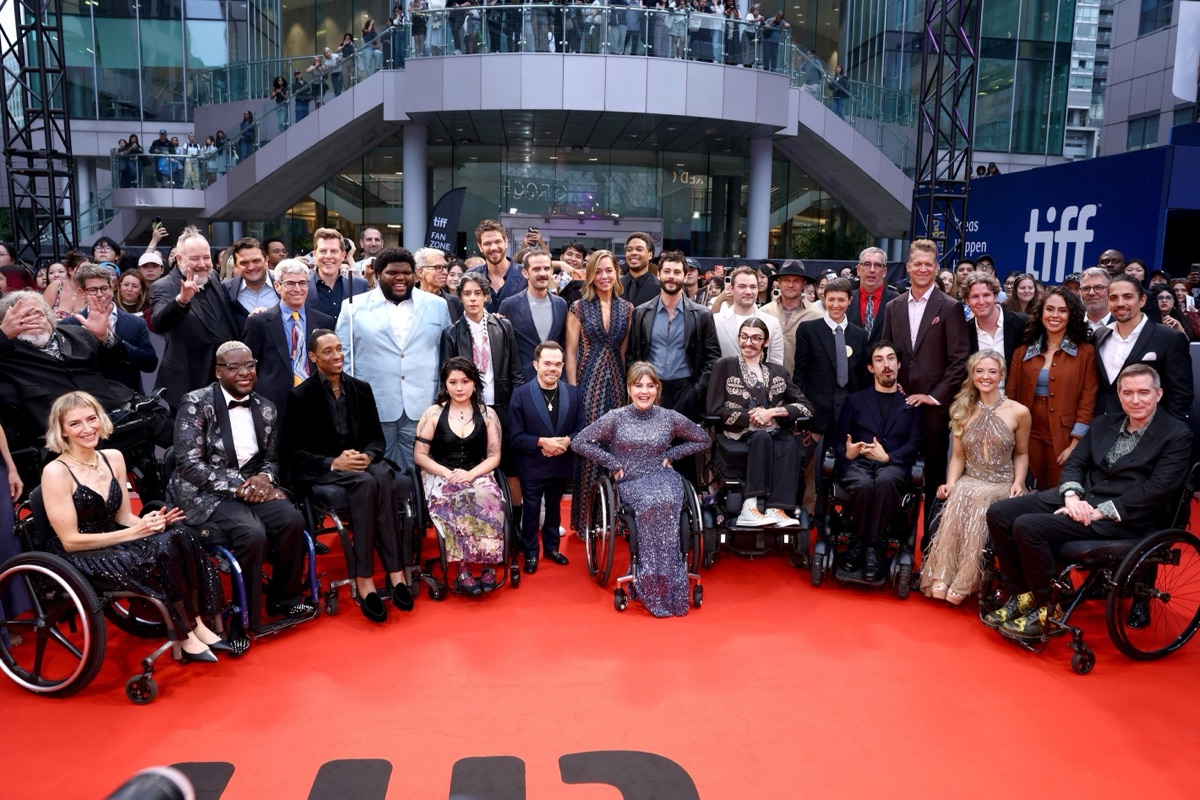
Keely Cat-Wells, a woman with a disability who has worked for years to widen the access Judy Heumann fought for, calls Being Heumann among the most important films on disability. She warns that a right once won is easy to forget. Captions, elevators, and legal protections start to feel like parts of modern life, when curb cuts and ramps exist only because people organized, protested, occupied buildings, and refused to be ignored. In April 1977, more than 100 activists with disabilities took over a federal office in San Francisco and stayed 26 days on the fourth floor, the longest takeover of a government building the country has seen. Since 1973 the Rehabilitation Act has carried Section 504, yet the regulations that gave it practical force waited almost four years, with officials citing the price of lifts, accessible toilets, and interpreters. The occupation ended only when the official in charge finally signed.
Watching that history in 2026 means seeing the present alongside it, because Section 504 is again at the center of a fight, and this fall People with Disabilities lost ground. A federal opinion in June claimed that Section 504 and Title II of the Americans with Disabilities Act, or ADA, impose no duty on states to guarantee life at home in the community for People with Disabilities, and in August the federal government joined a handful of states in asking to have that language dropped. On 23 September the integration rules, including how the most integrated setting is defined, were taken out of the Section 504 regulations across the whole country. Precision matters here. Both Section 504 and the ADA stay in force, as does the Supreme Court's Olmstead ruling, and People with Disabilities still hold the right to avoid forced placement in institutions. What was lost is the rulebook that explained that right, and those regulations have carried integration provisions since 1977, the year of the occupation. Rebekah Taussig, who wrote the film with Siân Heder, points out that every person is tied to a body that can fall ill, be injured, or age, so anyone who acquires a disability should be able to remain in their community.
The people in that building did not win alone. Black activist Brad Lomax had a disability and belonged to the Black Panther Party, so his life shows why the histories of Black liberation and disability rights cannot be filed in separate chapters, because the people who lived them held every identity at once. When the protesters needed food, the Black Panther Party backed the occupation, bringing hot meals and other supplies that kept protesters going through nearly a month, and its newspaper drew attention to a protest struggling for coverage. Siân Heder cast the film to reflect the real participants, among them Ron Washington, Hale Zukas, and Brad Lomax, and one cast member says the production introduced him to Blind and Deaf friends he had never had. The coalition was messy, with clashing politics, varied disabilities, and rival plans for the next step, and the film leaves the mess in view. Cat-Wells adds that People with Disabilities are trained to expect less, and the occupation shows them learning to want more, as one protester said the experience taught them they counted as a person.
A promise stays alive only while people keep asking for it to be kept. Cat-Wells calls the film an organizing tool and asks readers to gather around it: book seats at a screening with captions and audio description, bring people who know nothing yet about Section 504, and hold a watch party in a living room, library, union hall, church, campus, or office once it reaches Apple TV. Advocacy begins with noticing who is left out and acting alongside the people affected until the barrier is removed, and goodwill alone does not last, because access that rests on one willing person leaves when that person does. The film shows the same truth from the other side. Ramps and rights came from people who organized, and now that rules are being narrowed, they stay in place only while people keep asking for them. That friction is plain, because we use access that others won, and the film asks us to treat it as ours to keep.
We should host a watch party with captions and audio description, and invite people who know nothing yet about Section 504. Closing with a testimonial circle, where each person says what access or its absence has meant in their lives, would give us what the protesters gave one another, a place to talk themselves into wanting more. Rooms like that would bring us closer to the Vibrant, Diverse, Inclusive, Accessible Communities for People with Disabilities.
Gathering this way would ask for the promise to be kept, and the moral holds.
Read the Full Article: Being Heumann Is The Film The Disability Rights Movement Needs Right Now.
By: Keely Cat-Wells
Also See:
- Ruth Madeley Is Disability Rights Activist Judith Heumann in Powerful Being Heumann Teaser Trailer
- Being Heumann Review: Siân Heder's Drama About the Fight for Disability Rights Strikes Familiar Notes
- How the Being Heumann Crew Built a Set for Its Disabled Cast on the Fly
- Being Heumann captures joy in fight for disability rights
- I've Been Disabled Since I Was a Child. Co-Writing Being Heumann Still Taught Me So Much
Questions for Reflection
- Curb cuts, ramps, and captions came from people who organized and occupied buildings. What history lies behind the access at our gatherings, and who could tell it to us?
- The occupation lasted because other communities brought hot meals and supplies. Who beyond our usual circle could stand with People with Disabilities near us, and have we asked them?
- Brad Lomax stood in two movements at once, and neither one fully told his story. Who around us gets counted under only one label, and what do we miss that way?
- Protesters inside the building talked one another into wanting more from their lives. Where do People with Disabilities hear that they should expect more, and who says it?
- The film's own method is a circle where each person says what access has meant in their life. Whose answer might surprise us, and how would we make it safe to give?
- The next Judy Heumann may already be organizing around housing, education, or work. Who among our neighbors is leading that effort, and where could we make room beside them?
