
Striving to remove barriers that prevent us from building Vibrant, Diverse, Inclusive, Accessible Communities!
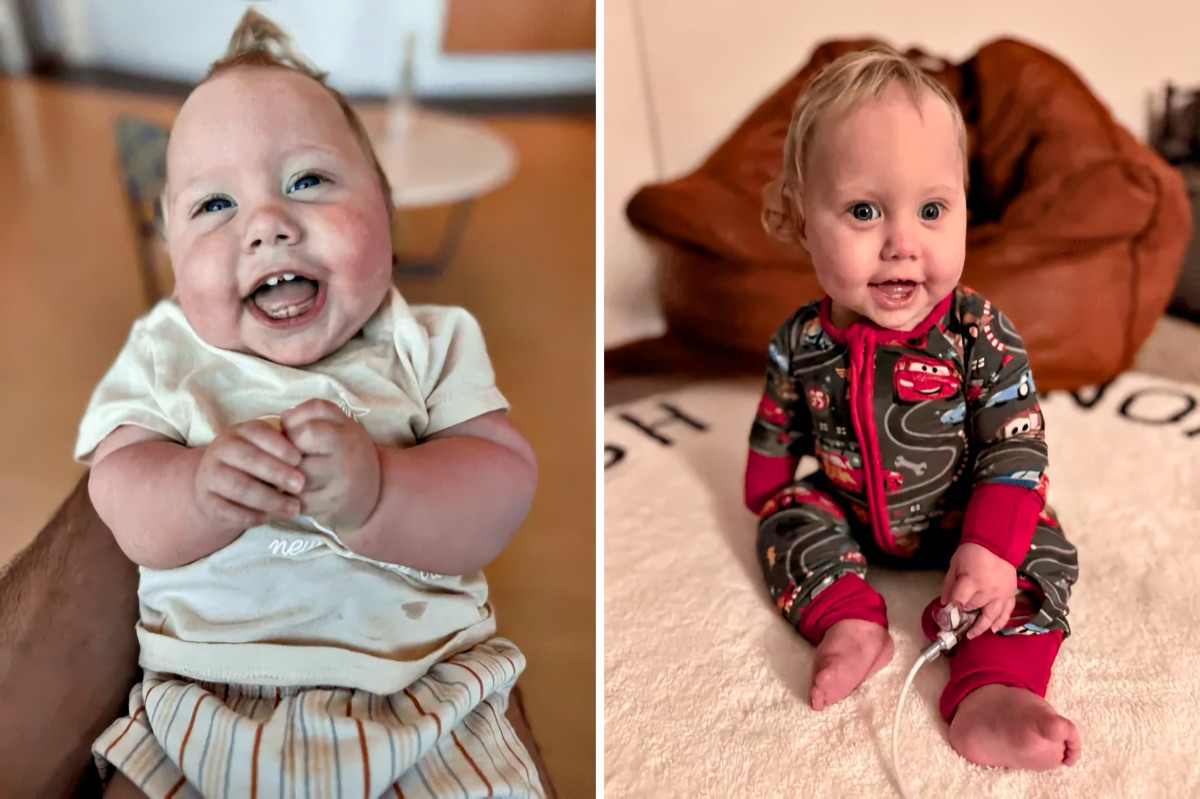
Chris Herring and his son Oliver, who is 16 months old, were out together when a boy of about ten came up and asked about Oliver with the R word. That ableist slur brands a person as slow or delayed, and the boy's curiosity did nothing to soften it. Chris, who lives in Forest, Virginia, told the story to Newsweek. Being curious does not excuse the word, and a toddler's family should never have to hear it said about their child in public.
Oliver has ReNU Syndrome, a neurodevelopmental disability that National Institutes of Health researchers tie to severe delays in development. Alongside those delays come seizures, epilepsy, microcephaly, speech delays, poor growth, hip dysplasia, and osteoporosis. Oliver does not speak, so Hannah and Chris have found other ways to talk with him, and they hope he will walk one day. He has low muscle tone and trouble feeding, and his parents watch for seizures and give him medication. He reaches what the family calls inchstones on his own timeline, and therapies will be part of his whole life. He works hard every day, and his parents want him comfortable and enjoying a good life. His potential is not set by his diagnosis, and his life holds real purpose, however different it looks.
Chris had every reason to be angry. He chose a calm reply instead. He told the boy that Oliver looks, sounds, and thinks in his own way and remains "the toughest little guy," that Oliver keeps learning, and that he brings joy to the people around him. Then he asked the boy to pick another word next time. Calm does not mean unhurt. Questions like this one cut deeper for Chris and Hannah, who are heartbroken over Oliver's diagnosis, and a slur wounds whether or not the child meant to be rude. It also tells them that people notice how different Oliver looks. Chris shared the moment on Instagram and asked parents to talk with their children openly and respectfully about difference. Asking about disability is fine when it is done with care. He also wants more people to know about ReNU Syndrome, which is new and often missed, and he urges worried parents to request whole genome sequencing, because the syndrome sits in a noncoding region of deoxyribonucleic acid (DNA).
What a curious child learns about a person depends on the word a grown up gives back. Chris says kids deserve grace, good examples, and the freedom to ask hard questions, and most of them see so little disability that curiosity takes over. Parents who value inclusion cannot keep their kids sheltered, he says. Disability is not contagious, and it is no death sentence. Nobody should fear a person who looks, sounds, or acts differently. People with Disabilities should be valued and take part fully in community life, and a child's first words about a toddler with a disability being a slur shows how far we are from that. Community building starts with the words we use around children, and when adults answer a child's curiosity calmly and clearly, a hesitant question can become a chance to play together.
A curious child's question lands on whoever stands nearest, and we should be the adult who answers it calmly and offers a better word. We should let that child wave, say hello, and ask hard questions, and we should not keep kids sheltered from disability. Children who learn to ask with care would grow us into Vibrant, Diverse, Inclusive, Accessible Communities for People with Disabilities.
The word we hand back today is the welcome that child offers later.
Read the Full Article: Boy uses offensive term for disabled toddler, dad’s response says it all.
By: Alyce Collins
Questions for Reflection
- When a child asks about disability at our gatherings, who answers, and what words do they give back?
- Which slurs or words rooted in ableism are still heard in our community, and what happens when someone uses one?
- How often do the children in our community meet People with Disabilities in our programs, and what do those meetings teach them?
- What do our children's classes and youth programs teach about disability, and who helped plan that content?
- How do we welcome families of children with rare or newly identified disabilities, and what have those families told us they want from us?
- What would it take for every adult in our community to answer a curious child calmly and offer a better word?

Also See:
- Mom Gets Question About Disabled Daughter—Unprepared for What Kids Do Next
- How negative rhetoric toward People with Disabilities has a harmful record
- People feel entitled to comment on my disability – it's exhausting
- People with cerebral palsy need society to see their potential
- What is ableism, and what is its impact?
- Horror movies have an ableism problem. Isn’t it time we found new ‘monsters’?
- Ableism 101: What it is, what it looks like, and what we can do to to fix it
- Intersections Between Racism and Ableism
- How to talk about disability sensitively and avoid ableist tropes