
Striving to remove barriers that prevent us from building Vibrant, Diverse, Inclusive, Accessible Communities!
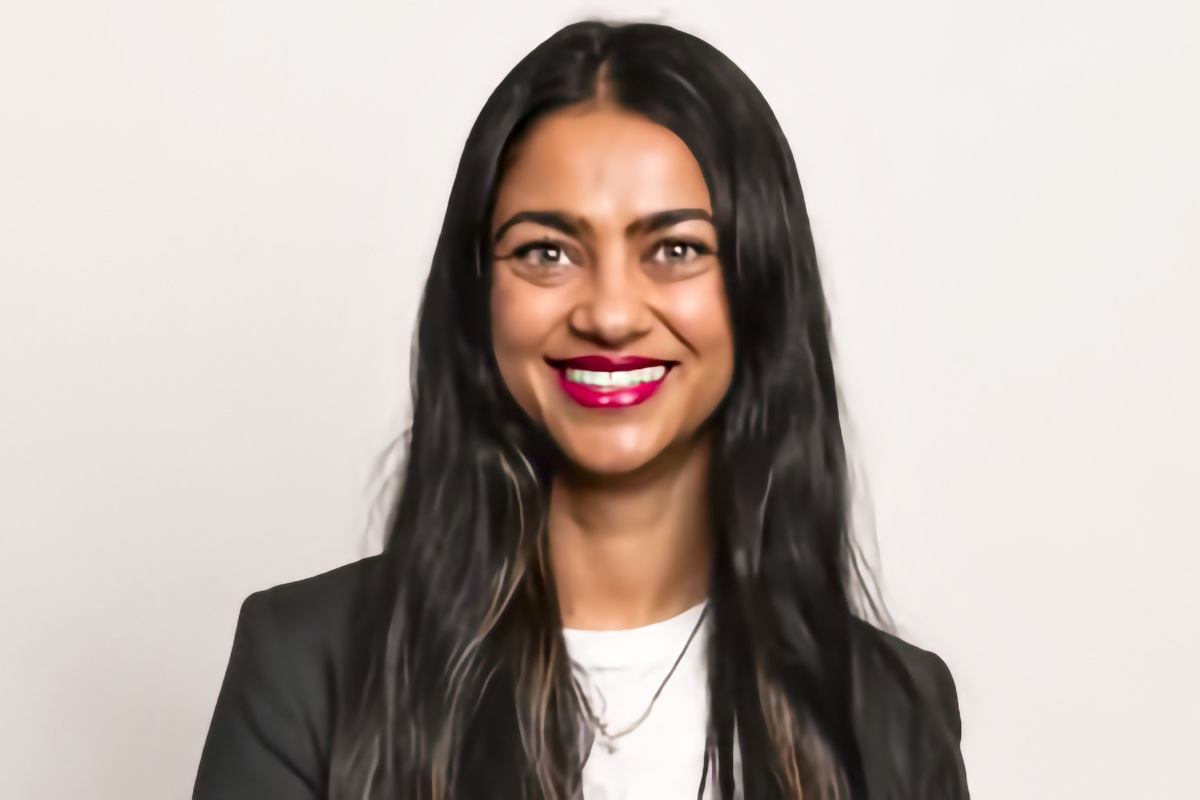
People with Disabilities make up one fifth of the Australian population, and almost none of the advertising and marketing that fills daily life shows them. Priya Addams Williams, who has led the Shift 20 Initiative at the Dylan Alcott Foundation for two years, works to change who appears in campaigns so that this 20% can connect with commercial communication and find themselves inside it. She traces the urgency of that work to her own childhood in Omaha, Nebraska, where a large and close Indian community surrounded her while the screens around her offered exactly one Indian face, a local news reporter. Film, television and fashion registered as doors already shut to someone who looked like her, and advertising was the single door open far enough to push through. Her point is blunt: a child cannot picture a future she has never seen anyone living, and an industry that keeps People with Disabilities out of its images decides in advance what they will believe is available to them.
The disability community holds a principle that runs through everything the Shift 20 Initiative does, and it is that no decision about People with Disabilities belongs to a room they are absent from. A team of well intentioned people carrying no lived experience of disability cannot produce stories or campaigns that reach the audiences those campaigns are aimed at, and treating goodwill as a substitute for that expertise is how the industry keeps making work that misses. Addams Williams points to the specialist consultants and not for profit organizations already doing this work across First Nations, disability and Culturally and Linguistically Diverse (CALD) backgrounds, among them the Unstereotype Alliance and Bus Stop Films, which means the expertise is available to any team that decides it wants it. What she calls for is work built alongside the people it depicts from the first decision rather than shown to them once it is finished, because that is the only arrangement that produces the connection brands say they are chasing.
The article's concrete examples show what changes when authenticity runs through a whole production instead of sitting on its surface. In the series Heartbreak High, the character Quinni is Autistic and so is Chloé Hayden, the actor who plays her, and in a conversation with Hayden and Executive Producer Carly Heaton, Addams Williams heard that the same authenticity carried into the people scripting and making the show, alongside other characters from diverse backgrounds. Audiences feel that difference in the finished result, which is also why the Indian community recognizes itself in Mindy Kaling's work. The pattern repeated when the Autistic Self Advocacy Network (ASAN) worked with a toy manufacturer on the first Autistic doll in its Fashionistas line: Colin Killick of ASAN reported that the commitment to real collaboration was clear from the first day and that ASAN staff were trusted to speak honestly about every element of the design, from the doll's body through to her clothes and accessories, so the result reflected Autistic people's experience. Each example points one direction, which is that when the people making the decisions behind the camera share the experience being portrayed, audiences know it, and anything thinner is the box ticking the industry has settled for far too long.
A story told about people who were never in the room is not their story. The article closes with three moves that turn co creation from a stated value into a practice: go and find the expertise when a team does not hold it, say plainly and early that honest input is wanted, because people who have learned to soften their opinions in rooms like ours will keep softening them until we tell them otherwise, and protect the time the work actually takes, since squeezing the schedule to hit a deadline and a budget ends co creation before it can begin. Community Builders will recognize the shape of this from our own communities, where shared spaces get noticeably better when People with Disabilities bring their expertise into the design while the plans can still change, and children who once watched from the sideline end up shaping the place everyone uses. The friction is ours to own: we usually ask after the venue is booked and the run sheet is written, at the exact moment when nothing we hear can be acted on.
Here is something we can start this week: pick one event, service or communication already on our calendar and hand the very first planning conversation to People with Disabilities in our own community, before the format, venue and budget are locked in. Let's pay for that expertise the way we pay for every other kind, and write the extra weeks into the timeline now, while we can still change our minds about anything they tell us. That single reordering is what turns Vibrant, Diverse, Inclusive, Accessible Communities from a description we admire into a place we actually built together.
Get the invitation out early enough and the story stops being one we told about our neighbors, and starts being one they helped write.
Read the Full Article: Changing Perspectives: Why a room full of well-intentioned people with no lived experience isn't enough.
By: Priya Addams Williams
