Striving to remove barriers that prevent us from building Vibrant, Diverse, Inclusive, Accessible Communities!
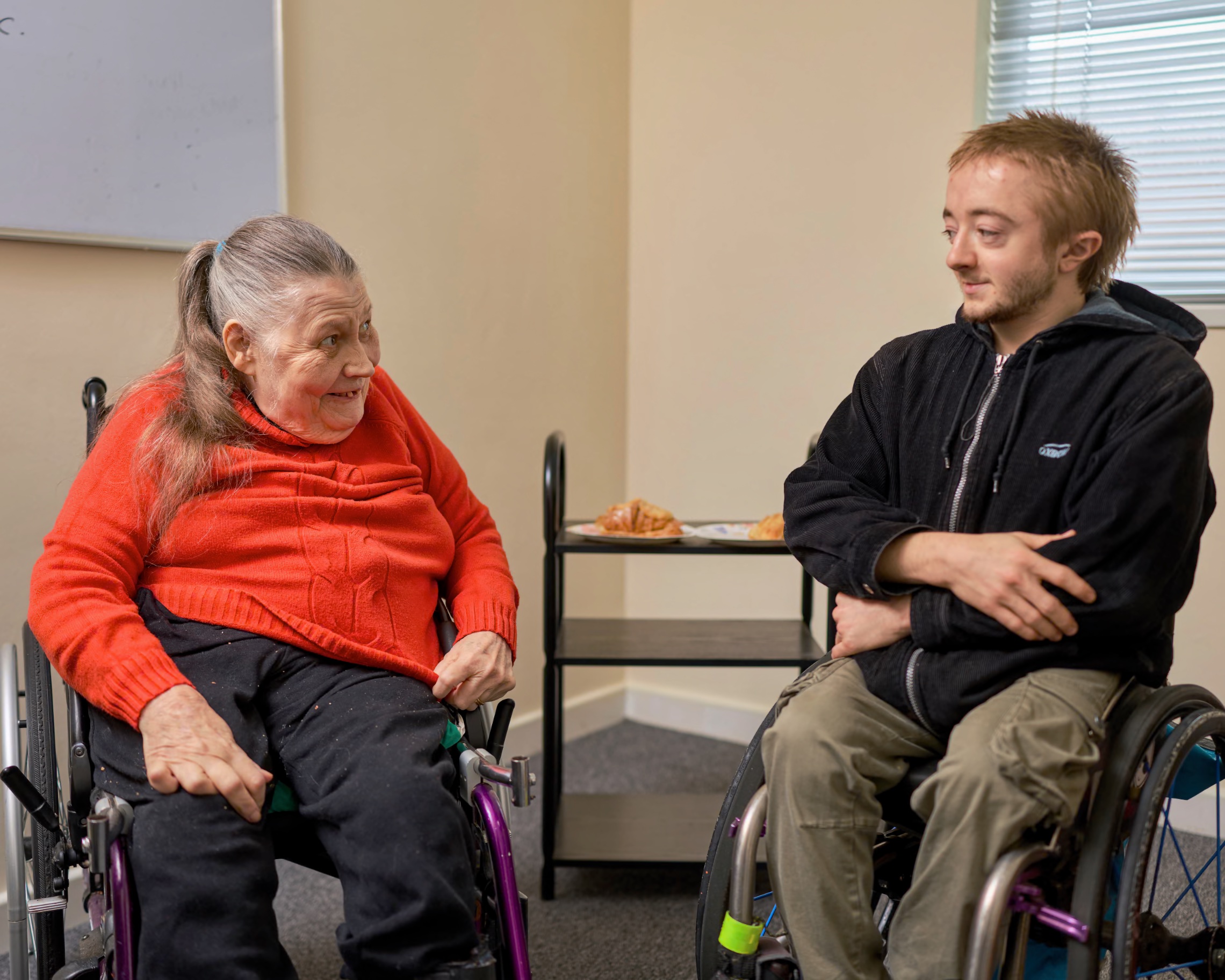
Across generations, the through-line is structural: wheelchair users are still navigating spaces designed without wheelchair users in mind. Alice Moira’s childhood chair was wooden and unpushable, and later wooden push-rims left her hands full of splinters; Lochlann O’Higgins still reaches stations with no lift despite modern trip-planning tools. This isn’t about “resilience”—it’s about rights: fix the infrastructure so people aren’t stranded or hurt by designs that exclude People with Disabilities.
Housing multiplies the harm. Moira recalls tenants with disabilities effectively trapped in high-rise blocks and how university only worked after she fronted a year of taxi receipts to win a travel grant; O’Higgins had first-year accessible accommodation and then a cramped share with steps (needing a ramp), rooms too tight to turn a chair, and a kitchen top too high to use safely. Treating access as a temporary perk rather than a baseline standard forces wheelchair users to “take what you can get,” even when it undermines independence and safety.
Cutting support closes doors. Applying for personal independence payments (Pip) already took O’Higgins two years after he learned of eligibility at 17–18; proposed cuts threaten mobility, study and sport. Specialist wheelchair sports chairs cost £6–7k, so many younger athletes borrow equipment and miss opportunities. Thirty years after the Disability Discrimination Act (DDA, Disability Discrimination Act), rationing participation is regression—institutions owe tools for living, not red tape that withholds them.
Access exists to unlock belonging. O’Higgins finds a team and a voice in wheelchair rugby and the weightless relief of water—“you just feel so light”; Moira remembers sisters hauling her chair into the sea so she could float after surgery. That is the point of inclusion, and its benefit spreads to everyone—the essence of The Curb Cut Effect. Community Builders should demand step-free journeys, fund accessible sport, and build homes and public spaces that guarantee everyday freedom and participation.
Read the Full Article: ‘You just feel so light!’: two wheelchair users – one 81, one 25 – on welfare cuts, housing and the joy of swimming. By: Lucy Knight

