
Striving to remove barriers that prevent us from building Vibrant, Diverse, Inclusive, Accessible Communities!
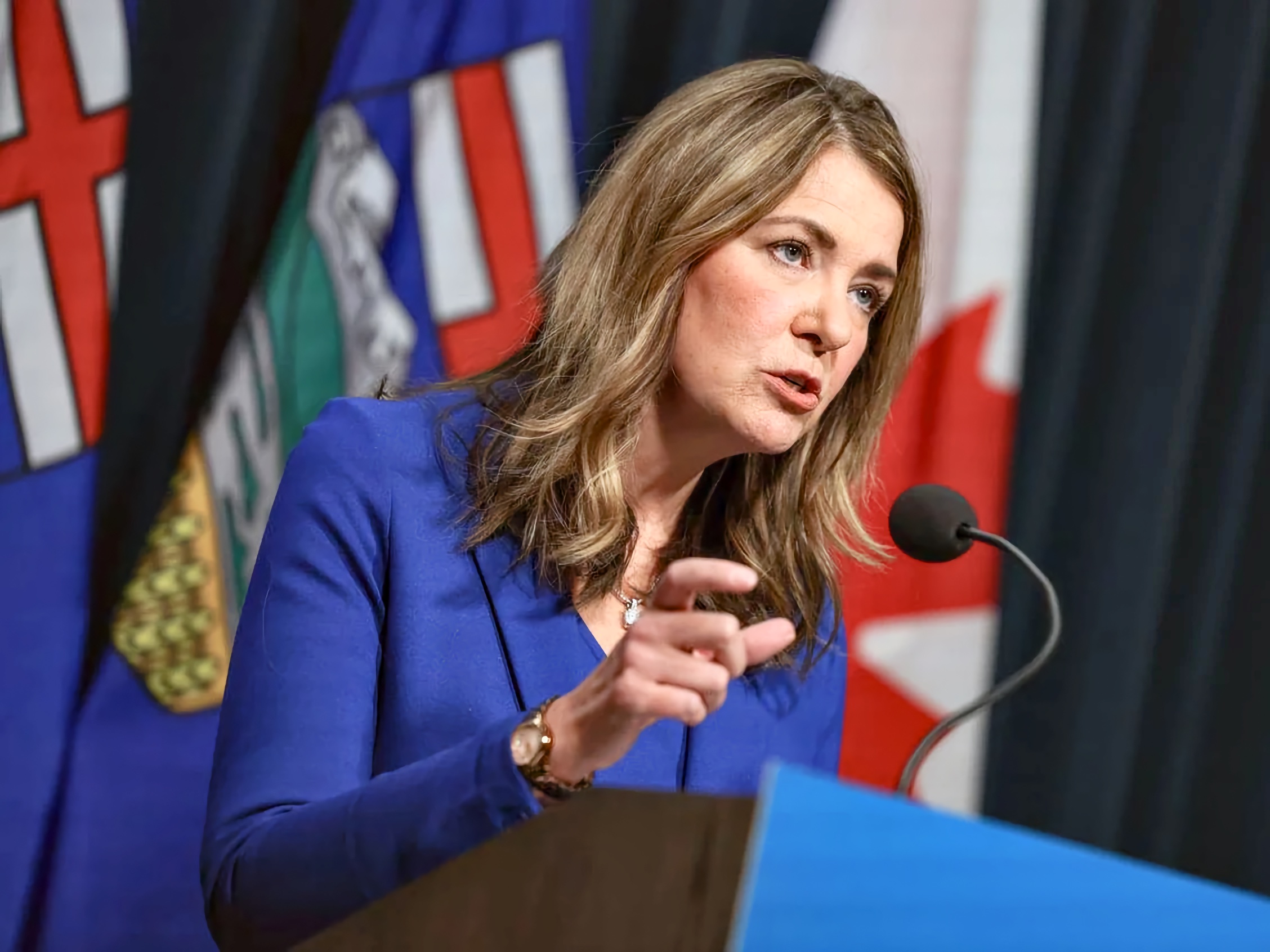
An opinion piece in the Calgary Herald, authored by scholars in Community Rehabilitation and Disability Studies, argues that a recent statement by Alberta's Premier fundamentally misrepresents what inclusion means for People with Disabilities in public life. When a premier publicly declares that People with Disabilities can earn their place in community life, and lose that place as well, she frames full participation as a conditional reward rather than a foundational right. This position treats People with Disabilities as members of society whose standing is never settled but always subject to evaluation. No community genuinely committed to belonging can treat the presence of People with Disabilities as contingent on meeting expectations set by others.
Measuring whether People with Disabilities have done enough to justify their inclusion is a form of ableism, the widespread bias that treats disability as a marker of lesser worth and evaluates people against standards of conformity they did not set. When inclusion becomes something to be earned, People with Disabilities are drawn into a cycle of demonstrating that they qualify for participation that others receive without question. This logic already shapes many of the systems that People with Disabilities navigate, where access to support, services, and spaces requires ongoing justification rather than being recognized as a right. The ableist logic underlying conditional inclusion places the greatest burden on those already most marginalized by discriminatory systems.
Canada's educational systems are already failing Students with Disabilities in documented and measurable ways. Research cited in this Calgary Herald opinion confirms that Students with Disabilities face significantly elevated rates of bullying and social exclusion, and that many are driven from educational environments where they have every right to remain. When schools include Students with Disabilities, recognizing disability as a dimension of human diversity breaks down the harmful stereotypes that sustain exclusion, and active advocacy for People with Disabilities remains urgently needed to achieve this. Alberta has not established the dedicated accessibility framework that would give People with Disabilities a structured role in shaping policies that affect their daily lives.
Building communities where People with Disabilities belong fully and equally requires dismantling the structures that produce exclusion rather than evaluating who has demonstrated enough to deserve a place. The central question is not who qualifies for inclusion but rather what barriers communities have accepted for too long and why those barriers have not been removed. Every element of exclusion that Students with Disabilities face in schools reflects choices communities have made about committing to genuine inclusion. Community Builders striving to create Vibrant, Diverse, Inclusive, Accessible Communities understand that removing barriers to full participation for People with Disabilities is the work that makes belonging real, and they know that genuine belonging cannot be made contingent on meeting standards set by others.
Read the Full Article: Opinion: Inclusion is not something you 'earn'.
By: Alan Martino and Patricia DesJardine, Calgary Herald
