
Striving to remove barriers that prevent us from building Vibrant, Diverse, Inclusive, Accessible Communities!
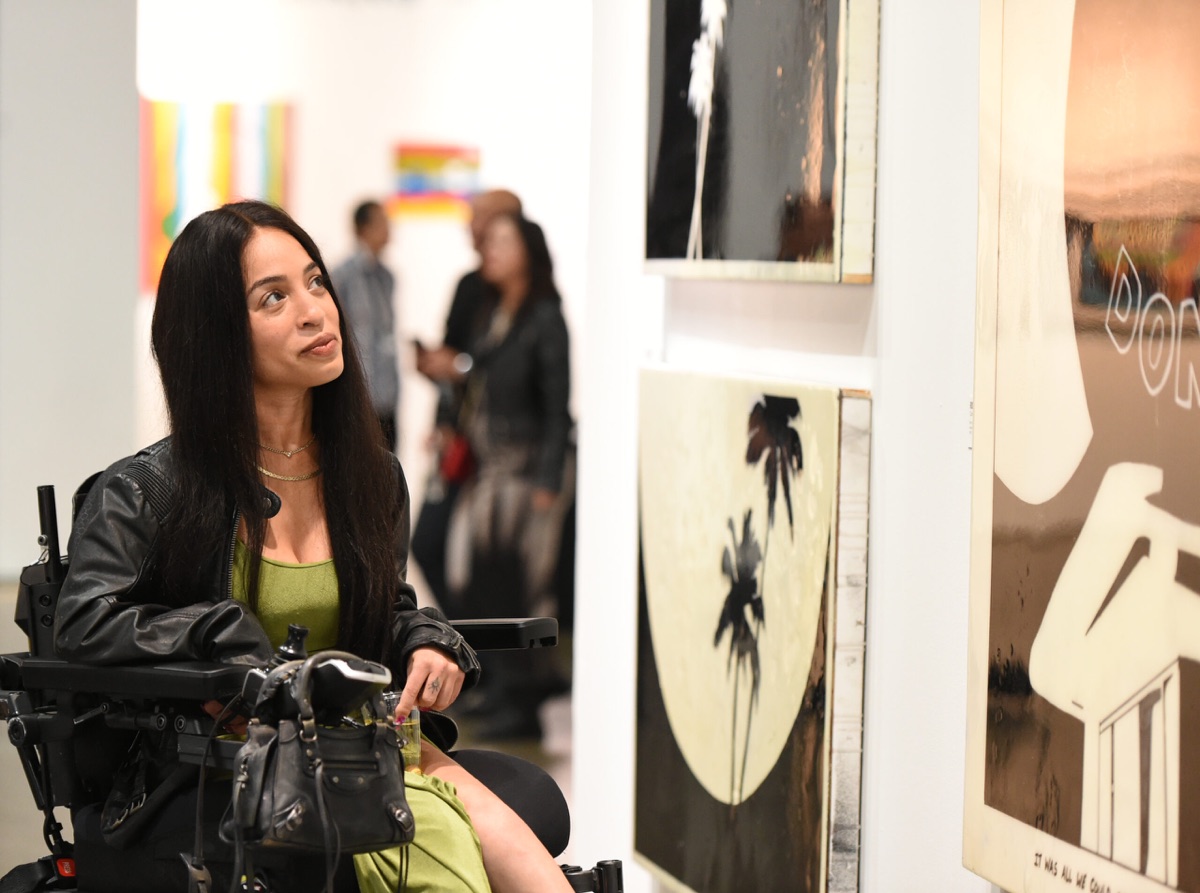
Disability Pride Month arrives each July, and four Black creators with disabilities show why it matters who gets seen. Representation among disability advocates has grown, yet Black voices are still scarce, and being seen is how people find community. Jillian Mercado, a Dominican model and actress who has muscular dystrophy, knows what it costs to be missing from the screen. People with Disabilities number about 1.3 billion worldwide, yet very few appear in the media. The few images Mercado found as a child told her that people like her do not fit in, burden others, or die, and those pictures damaged her mental health. Today she uses her place in fashion and entertainment to call for accurate images showing People with Disabilities in front of the camera.
Keah Brown, who started the viral hashtag #DisabledAndCute, is an author, journalist, and disability activist. Born with cerebral palsy, she wished for normalcy in her early years and then found her way to self love. She now encourages others to love themselves with joy and to build community together. Her essay collection, The Pretty One, explores what life looks like for a Black and Disabled writer in a mostly nondisabled white America. In those essays she writes about dating, about how the media pictures disability, and about her nondisabled identical twin, the sister people called the pretty one.
Lauren “Lolo” Spencer acts, works as an influencer, and advocates for authentic representation. She was diagnosed with amyotrophic lateral sclerosis (ALS) at 14, and her best known role is in The Sex Lives of College Girls. Estimates put survival after an ALS diagnosis at two to seven years, and Spencer has now had ALS for 23 years. She centers her platform on independence and self empowerment for People with Disabilities. Through Instagram and a YouTube channel named Sitting Pretty, she gives viewers an honest view of everyday life with a disability. She also uses them to speak up for the disability community.
No one finds a place in a story that never pictures them. Stephanie Thomas, a stylist and consultant for disability fashion, was born missing three toes and her right thumb, and doctors told her she would not walk. She founded Cur8able and works to remove ableism from the fashion industry. Her Disability Fashion Styling System®, which has won awards, makes shopping simpler for disabled people, people with chronic illness, and people with injuries, and it puts dressing with dignity and independence in the hands of People with Disabilities. She also teaches clothing brands, stores, and the film and television world how People with Disabilities choose to dress. Thomas brings her knowledge to the companies that sell clothes, while many of us invite People with Disabilities to speak only after a plan is set, when their knowledge can no longer change it. Access planned into the very first conversation is the standard we should hold ourselves to.
Because Black creators with disabilities already share their stories on platforms of their own, we should invite them to tell those stories at our events. We should leave room for the dating, family, and media experiences that Black People with Disabilities choose to share. Hearing those stories from the people who tell them would show us what Vibrant, Diverse, Inclusive, Accessible Communities for People with Disabilities look like in practice.
When we hand the telling to the people who live it, the story finally pictures them.
Read the Full Article: 4 Black Disability Creators and Influencers to Know.
By: Blavity Team
Questions for Reflection
- Jillian Mercado grew up seeing People with Disabilities pictured as people who do not fit in, burden others, or die. Which pictures of disability appear in our own invitations, programs, and photos, and who chose them?
- Keah Brown urges others to love themselves and to build community together. Where do Black People with Disabilities in our community find a community that was built with them from the start?
- Lauren “Lolo” Spencer shares her own life on her own channels, centered on independence and self empowerment. What would it take for People with Disabilities among us to tell their stories on their own terms at our gatherings?
- Stephanie Thomas teaches brands and stores how People with Disabilities choose to dress. Which of our routines assume one way of dressing, and who do they leave out?
- The article says representation among disability advocates has grown, yet Black creators are still few. Whose voices are still missing from our planning, and what would bring them in?
- What have we already changed so that Black People with Disabilities are seen leading in our community, and how would we know it is working?
