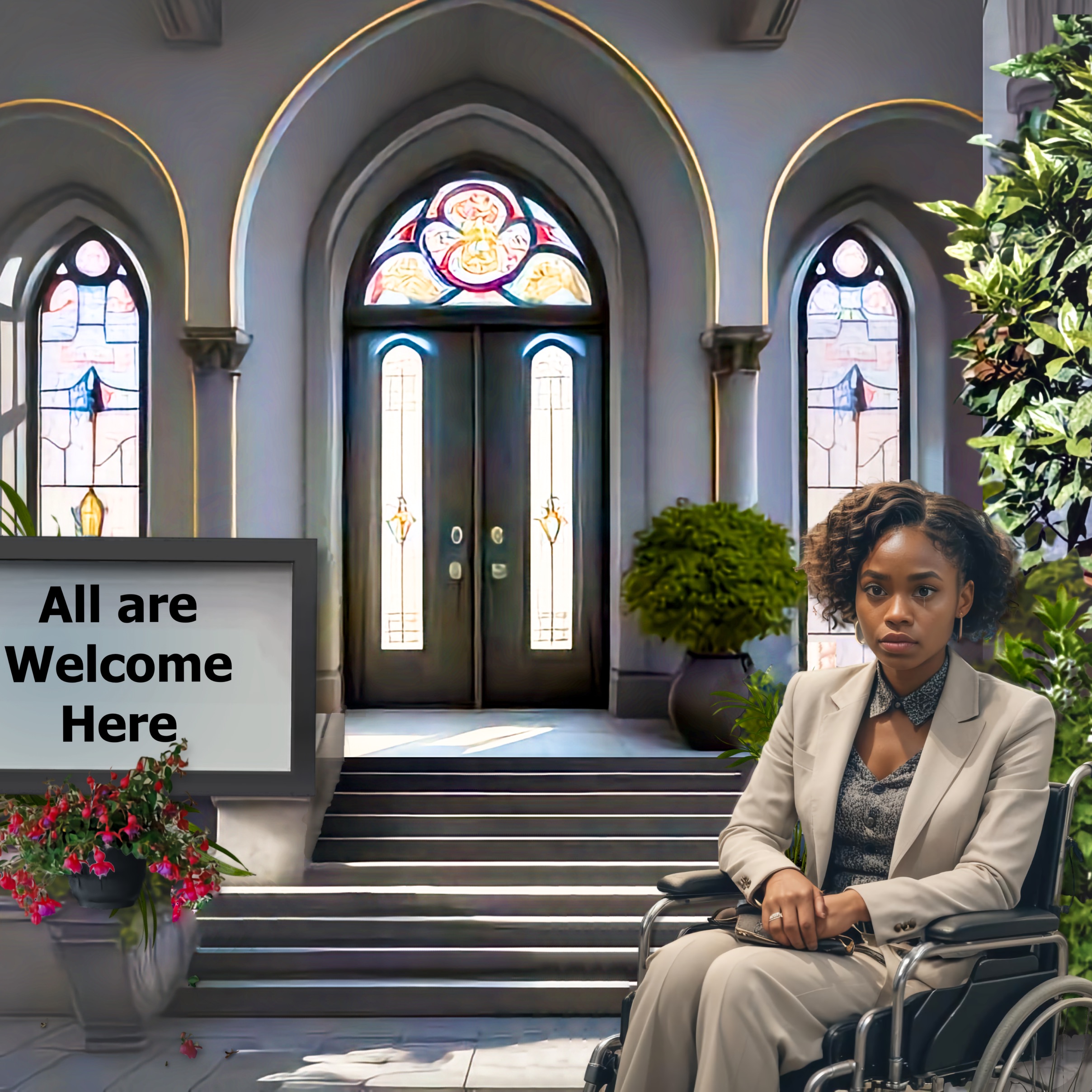
The essence of digital accessibility lies in ensuring equal access to information, functionality, and experiences on digital platforms for all individuals, regardless of their disabilities or traits commonly associated with disabilities. This encompasses physical disabilities, neurodiversity conditions, and the impact of socio-economic discrimination on people with disabilities. The definition of disability encompasses various types, including permanent, temporary, and situational disabilities.
While the Web Content Accessibility Guidelines (WCAG) have been in existence since 1999, numerous accessibility guides have been published online over the years. However, many of these guides have their limitations. Some are overly prescriptive, focusing solely on checklist items. Others present an idealistic view without inspiring action. Some guides emphasize charity-driven narratives, portraying people with disabilities as objects of pity and emphasizing insurmountable gaps. Additionally, biased guides may claim to help but primarily serve to sell accessibility consulting services or tools.
In contrast, this particular guide takes a different approach. In collaboration with a renowned accessibility writer, the UX Collective aims to provide a candid perspective on accessibility. It acknowledges that the initial attempt at creating accessibility may be challenging, encounters with difficult individuals may occur, and accessibility is not an optional extra. To deliver an equitable user experience to individuals with disabilities, going beyond good practices and striving for greatness is necessary.



 The Importance of providing Accessible Materials