
Striving to remove barriers that prevent us from building Vibrant, Diverse, Inclusive, Accessible Communities!
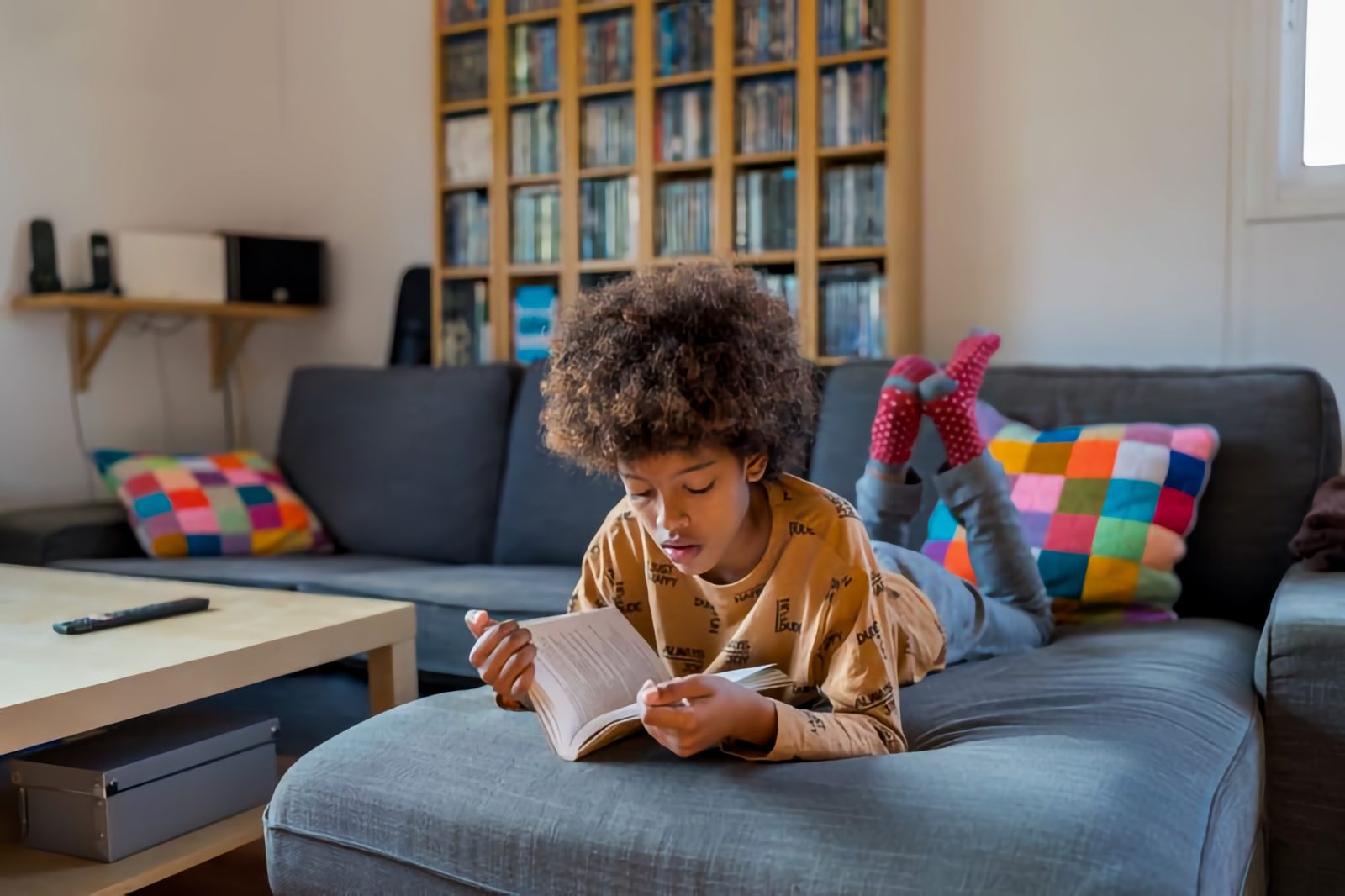
Sara Rowe Mount, a neurodivergent parent raising a neurodivergent child, writes for Parents about twelve books that show children whose brains work in unexpected ways. Far more of these books exist today than when she was young, she notes. A child who sees their own mind in a story can learn how their brain works and feel less alone, she writes, and neurotypical classmates who read the same stories grow in understanding and acceptance of their friends.
Her picture book picks begin with I Think I Think A Lot by Jessica Whipple, about a girl caught in a swirl of obsessive thoughts, and My Brain Is a Race Car by Nell Harris, a rhyming story about ADHD and autism meant to start family conversations. Too Much! An Overwhelming Day by Jolene Gutiérrez follows a child through itchy sweaters, loud sounds and bright lights, and Aaron Slater, Illustrator by Andrea Beaty shows a boy with dyslexia discovering that art tells stories too, printed in a typeface designed for readers with dyslexia.
For early readers she lists The Infinity Rainbow Club series by Jen Malia, about five neurodivergent friends in a school club; Dinosaur Pie by Jen Wallace, a funny ADHD adventure; This Is My Brain! by Elise Gravel, a comic style guide to how brains work; and Harriet Hound by Kate Foster, whose autistic heroine solves mysteries with shelter dogs. Her middle grade choices are Forget Me Not by Ellie Terry, who has Tourette syndrome herself; Just Roll With It by Veronica Agarwal and Lee Durfey-Lavoie, a graphic novel about OCD; Flipping Forward Twisting Backward by Alma Fullerton, about a gymnast who learns she has dyslexia; and A Kind of Spark by Elle McNicoll, whose autistic heroine Addie campaigns to honor the women of her Scottish town who were tried as witches.
Children learn who they are from the stories they are given. Mount points out that many of these books come from authors who share the diagnoses they write about, and several close with author notes, discussion questions or tools families can try together. Stories like these show neurodivergent children that their minds are a normal part of life, and they let classmates and siblings understand and stand with them.
We should fill our classrooms, libraries and homes with books where neurodivergent children see themselves. We should look for books by authors who share the experiences they write about. Shelves where neurodivergent children find stories like their own would move us toward Vibrant, Diverse, Inclusive, Accessible Communities for People with Disabilities.
A good book can tell a child they are not alone.
Read the Full Article: 12 Books for Kids That Celebrate Neurodivergent Brains.
By: Sara Rowe Mount
Questions for Reflection
- Which books in our homes, schools and libraries show neurodivergent children as the heroes of their own stories?
- How could a story about ADHD, autism, OCD, Tourette syndrome or dyslexia change how a classmate treats a neurodivergent friend?
- Do we look for books written by authors who share the experiences they describe?
- What did we learn about brain differences as children, and what do we want the next generation to learn?
- How could we use one of these books to start a conversation at home or in a classroom?

Also See:
- 12 Books for Kids That Celebrate and Uplift People With Disabilities
- Black, South Asian, and disabled characters in children’s books are disappearing, new study finds
- These children's books show disability as a part of everyday life
- I Slept on My Parents’ Bedroom Floor Until 16, Then I Finally Learned Why