
Striving to remove barriers that prevent us from building Vibrant, Diverse, Inclusive, Accessible Communities!
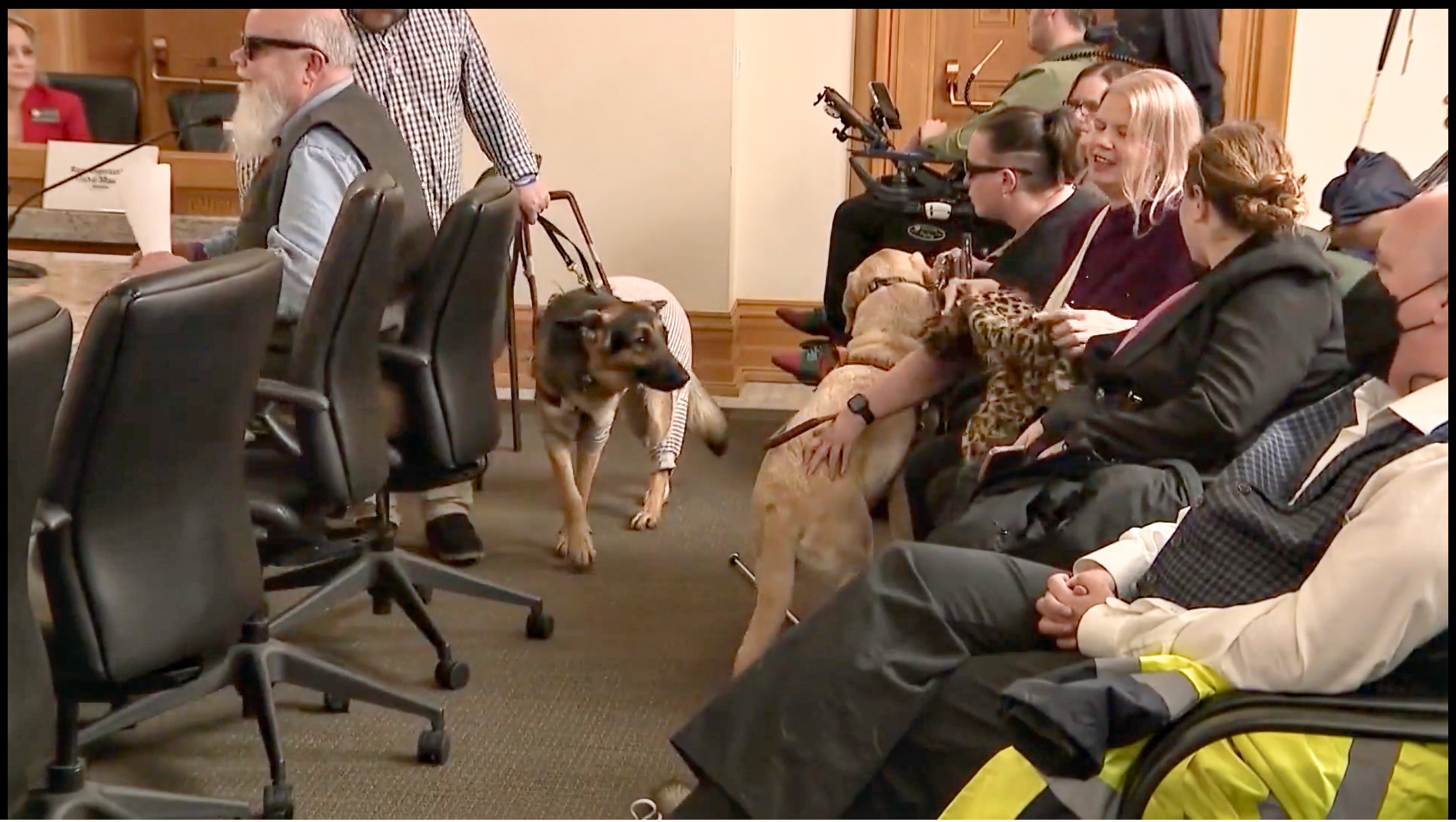
Colorado lawmakers moved HB26-1043 forward when the House Business Affairs and Labor Committee passed it out of committee, a step meant to increase penalties for transportation network companies, or rideshare companies, when drivers discriminate against people with disabilities. The point is simple: discrimination in transportation isn’t a minor inconvenience—it blocks basic access and puts People with Disabilities at risk when they are trying to get home, get to work, or move through public life like everyone else.
The hearing centered the lived reality of Blind/Low Vision People who rely on guide dogs, as a large group testified that rideshare drivers routinely refuse to pick them up, even though that is illegal. One advocate described being denied rides out at night, left in unsafe locations, and left with her child while using her guide dog and white cane—concrete examples of how rideshare discrimination creates danger, not just delay.
HB26-1043 targets consequences and proof: it would raise the maximum penalty to $1,300 if a discrimination case was not remedied, and it would require a reporting mechanism in the app with the information gathered made publicly available. That matters because repeated “ride denied” experiences can’t be brushed off as isolated incidents when the denials are tracked, visible, and tied to real enforcement.
Supporters also demanded better education for the drivers and named what is missing right now: better accountability. When People with Disabilities have to fight the same illegal denial over and over, the system is protecting the wrong side. Community Builders can’t build vibrant, inclusive communities while transportation remains a routine barrier—this is the work of removing discrimination where it shows up in everyday life and standing with those who are being denied equal access.
Read the Full Article: State lawmakers takes steps toward increasing penalties for rideshare discrimination
By: Kim Posey

