
Striving to remove barriers that prevent us from building Vibrant, Diverse, Inclusive, Accessible Communities!
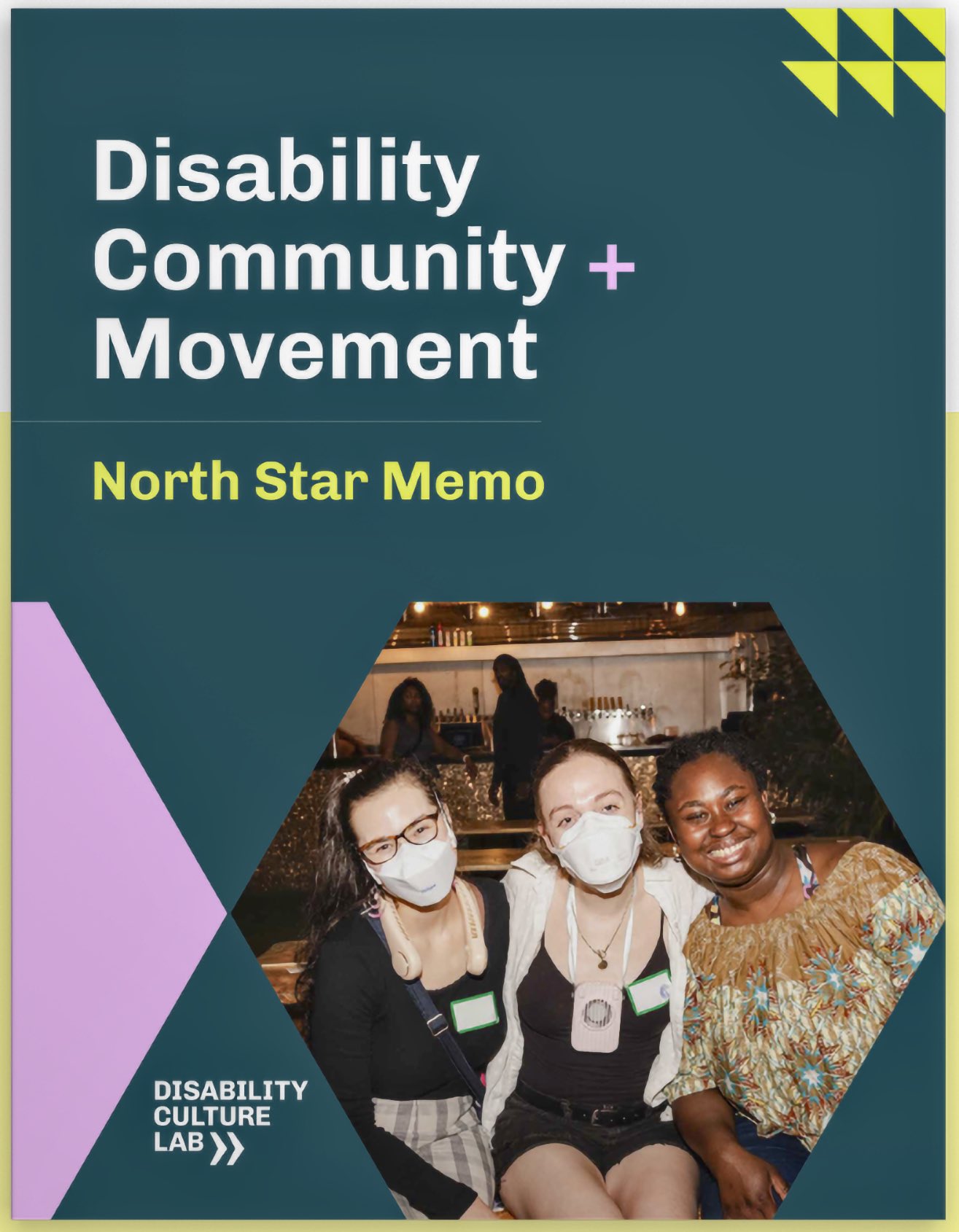
People with Disabilities are usually asked to join talks about the future only after the agenda is fixed and the money is spent. A new North Star Memo from the disability movement turns that order around. Disability Culture Lab spent a year bringing close to 50 disabled leaders and groups together to set the agenda themselves, around one question: what would winning look like for the disability community? Over 20 groups working for disability justice and rights signed the result, joined by dozens of disabled artists, organizers, researchers, and policymakers. Their message is plain. Generations of resisting and redesigning systems built without them have given People with Disabilities exactly the expertise today's pileup of crises calls for.
The memo's boldest idea is the United States Political Model of Disability. It treats disability as a neutral, natural part of human life, then asks who becomes disabled and which choices put them there. The answer is not random. Roughly a quarter of people across the United States are disabled, yet the rate passes half among trans people and reaches about 30 percent among Black and Indigenous women. The memo links those gaps to poverty, environmental racism, workplace injury, medical bias, police violence, and the wearing stress of constant discrimination. Many of those choices come out of corporate boardrooms, Congress, statehouses, and city halls, often driven by profit or power. When health insurance depends on a job and poverty pushes people into dangerous work, disability is both produced by the job market and used to push people out of it. As the lab's leaders say, systemic oppression is disabling, so every social justice fight eventually becomes a disability fight.
The memo's second big idea is interdependence, a practice disabled communities have relied on for generations and now offer as a strategy for the whole nation. Too many systems built for People with Disabilities run on isolation and suspicion. They make people prove their eligibility again and again, then punish them for leaning on others or earning a modest income. Benefit rules even cut people off when they take a job, build savings, or marry. The memo pictures care treated as infrastructure, like roads and broadband, with care workers counted as essential and with people who give and receive care valued equally. As the lab's managing director put it, diversity by itself falls short; communities have to be interdependent.
Plans made without the people they affect will keep leaving those people out. The memo asks that People with Disabilities be in the room while decisions on housing, climate, labor, health, and artificial intelligence are still being drafted, not after. A quarter of Americans are disabled now, and most others will be someday. We hold that removing barriers means planning ahead and consulting the people who know those barriers best. Yet this memo shows how often that consulting arrives late, after the agenda and the budget are locked.
In our own planning, the agenda and the budget are where People with Disabilities get shut out, because those choices are often settled before anyone asks them. So we invite disabled people to set that agenda with us from the outset, while our plans are still being written. Sharing power that early, the interdependent way, is how we grow Vibrant, Diverse, Inclusive, Accessible Communities for People with Disabilities.
When the people a plan affects shape it from the start, that plan stops leaving them behind.
Read the Full Article: A New Disability Memo Has Lessons For Employers, Funders And Policymakers.
By: Keely Cat-Wells
Read the Memo: Disability Community + Movement North Star Memo.
