
Striving to remove barriers that prevent us from building Vibrant, Diverse, Inclusive, Accessible Communities!
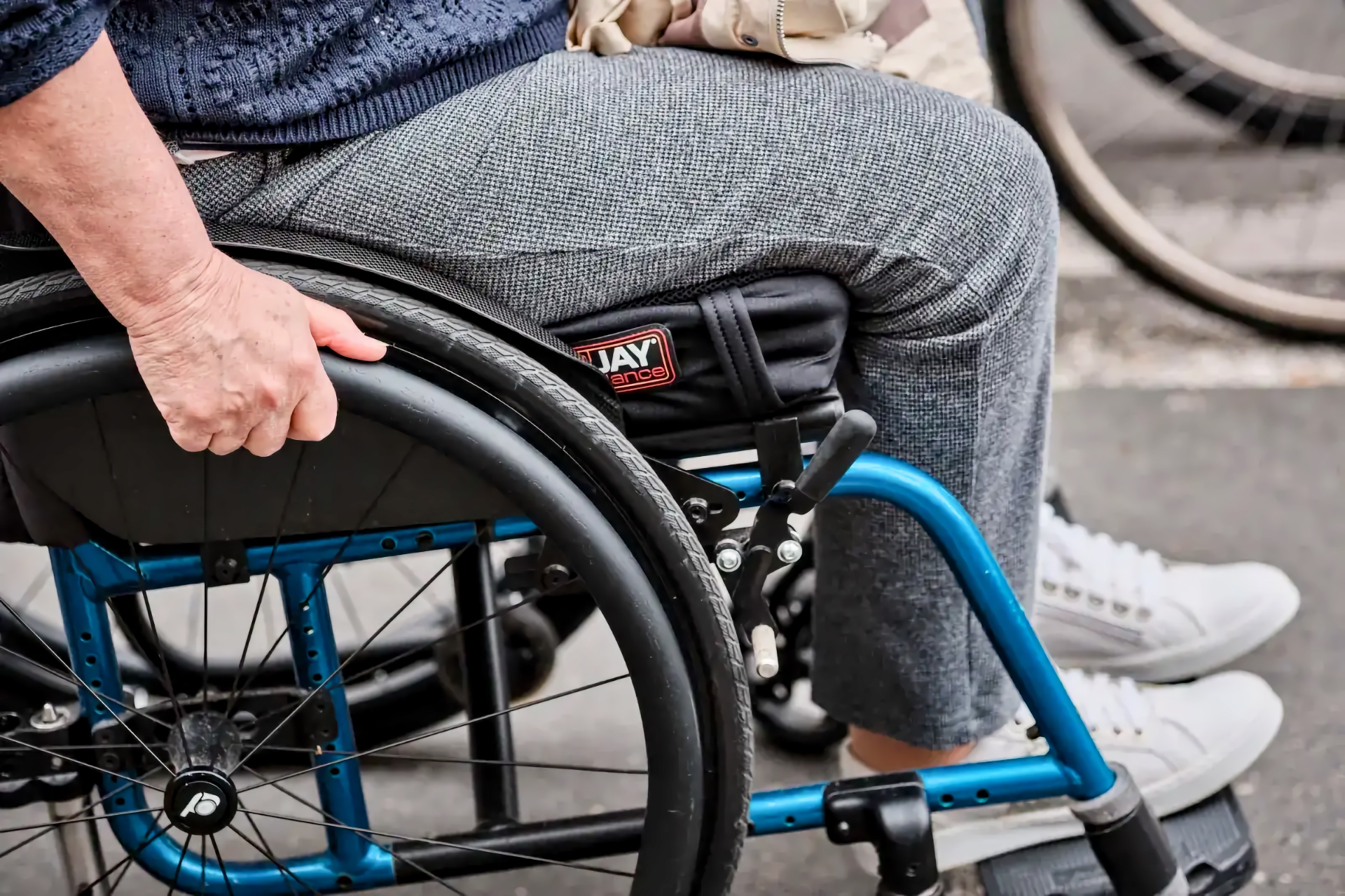
Joni Eareckson Tada opens with Rebecca, an adult with cerebral palsy. Volunteers placed her with children at a family retreat. The error spotlighted something larger than one failure. Too many People with Disabilities are present in a room yet cut off from it. Tada asks communities to treat belonging as a shared responsibility.
The article cites a national survey of working-age People with Disabilities in the United States. More than three in ten often lacked companionship. Over a third often felt left out. Nearly four in ten reported feeling isolated. The numbers describe neighbors, coworkers, classmates, and family members—not statistics on a page.
Tada writes as someone who lived the long nights after her spinal-cord injury at seventeen. She remembers the ache of being physically present and socially alone. Former Surgeon General Vivek Murthy calls community vital to health and purpose. Mother Teresa put it starkly: “Loneliness is the most terrible poverty.” The essay argues that connection grows when we choose it together.
The piece moves from sentiment to practice. Start by inviting people by name, not as “guests,” into roles that matter. Check routes, parking, restrooms, seating, and communication access before the doors open. Give clear details on transportation, costs, and timing, and ask about preferred contact methods. For step-by-step planning, see tips for welcoming, inclusive, accessible gatherings. Barrier removal is how communities turn care into belonging.
Read the Full Article: Disability Doesn’t Have To Mean Isolation | Opinion
By: Joni Eareckson Tada
