
Striving to remove barriers that prevent us from building Vibrant, Diverse, Inclusive, Accessible Communities!
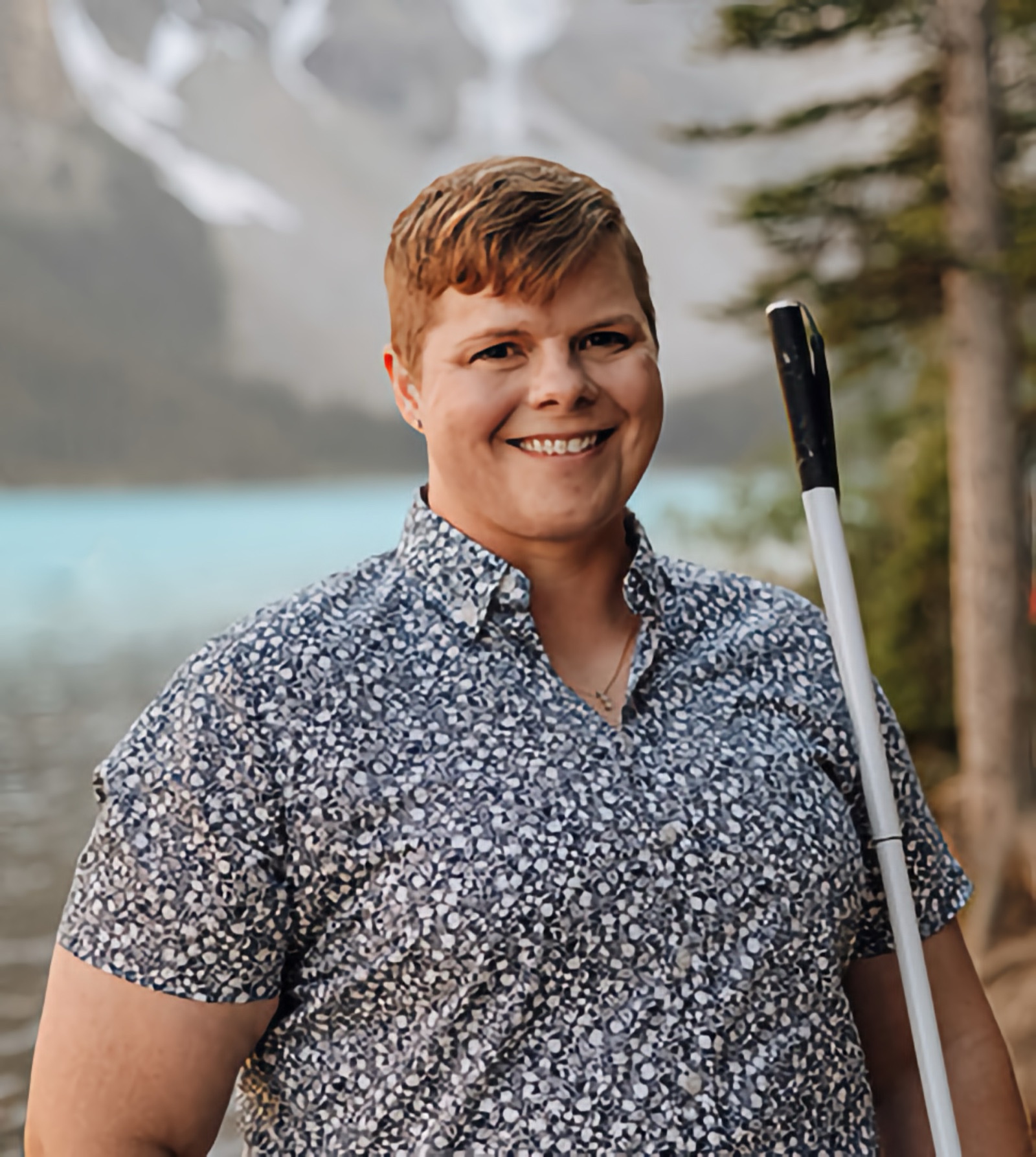
Dr. Natalie L. Shaheen, assistant professor in the Department of Special Education at Illinois State University, has received a National Science Foundation CAREER grant of just over $1.5 million, Aubrey Henson reports. The five year grant takes on unequal science education for Blind and Low Vision students. CAREER grants go to faculty who have not yet earned tenure and show the potential to lead their field, and hers is the largest grant to a single faculty member in the department in 25 years.
“We know from both research and legal actions that many technologies used in K-12 classrooms are not accessible to blind and low-vision students,” Shaheen said, and the barriers appear greatest in STEM classes. Her project will study what science teachers and teachers of Blind Students at the high school level understand about building born accessible classes, where every technology and teaching approach works from the start, so a Blind or Low Vision student who enrolls never waits for access or is shut out of most of the learning. Accessible technology in STEM classes decides who gets to learn science at all.
Shaheen knows the barrier firsthand. “As a blind teen with STEM aptitudes, I was dissuaded from pursuing additional STEM coursework after a very inaccessible high school chemistry class,” she said, and more than two decades later Blind and Low Vision teens still meet inaccessible classes, “even though we know how to make science classes accessible.” The grant also builds a case library from her research, modules for future teachers at Illinois State and open educational resources free to professors and school districts around the world, and it pays for a team she will mentor, from postdoctoral fellows to undergraduate research assistants.
Science loses talent every time a class is built without Blind students in mind. “Blind and low-vision people are used to navigating a world that isn’t built for them and therefore have exceptional problem-solving skills, the type of skills that make great scientists,” Shaheen said, yet Blind and Low Vision students rarely have the chance to use those skills in a lab. She credits Dr. Bekky Darner, director of the Center for Mathematics, Science, and Technology, with mentoring her through the grant proposal, and calls her work her part in changing “the unjust status quo.” Blind scientists already show what that change makes possible.
When our community offers a science club, workshop or camp, we should ask Blind and Low Vision students what format they use and have it ready on the first day. Every hands on activity in it should include a way to take part by touch or sound, not only by sight. Classes born accessible would move us toward Vibrant, Diverse, Inclusive, Accessible Communities for People with Disabilities.
Every lab a Blind student can enter on the first day is a step in removing barriers.
Read the Full Article: Dr. Natalie Shaheen Wins $1.5 Million NSF CAREER Grant.
By: Aubrey Henson
Questions for Reflection
- Which Blind or Low Vision students in our community were steered away from science, and what did we lose?
- What would a born accessible version of our next workshop or class look like?
- How could Blind scientists and professionals near us mentor young people, as Natalie Shaheen plans to?
- Which technologies we use with students shut out a Blind or Low Vision learner?
- How do the problem solving skills Blind People build in an inaccessible world show up in the people we know?
