
Striving to remove barriers that prevent us from building Vibrant, Diverse, Inclusive, Accessible Communities!
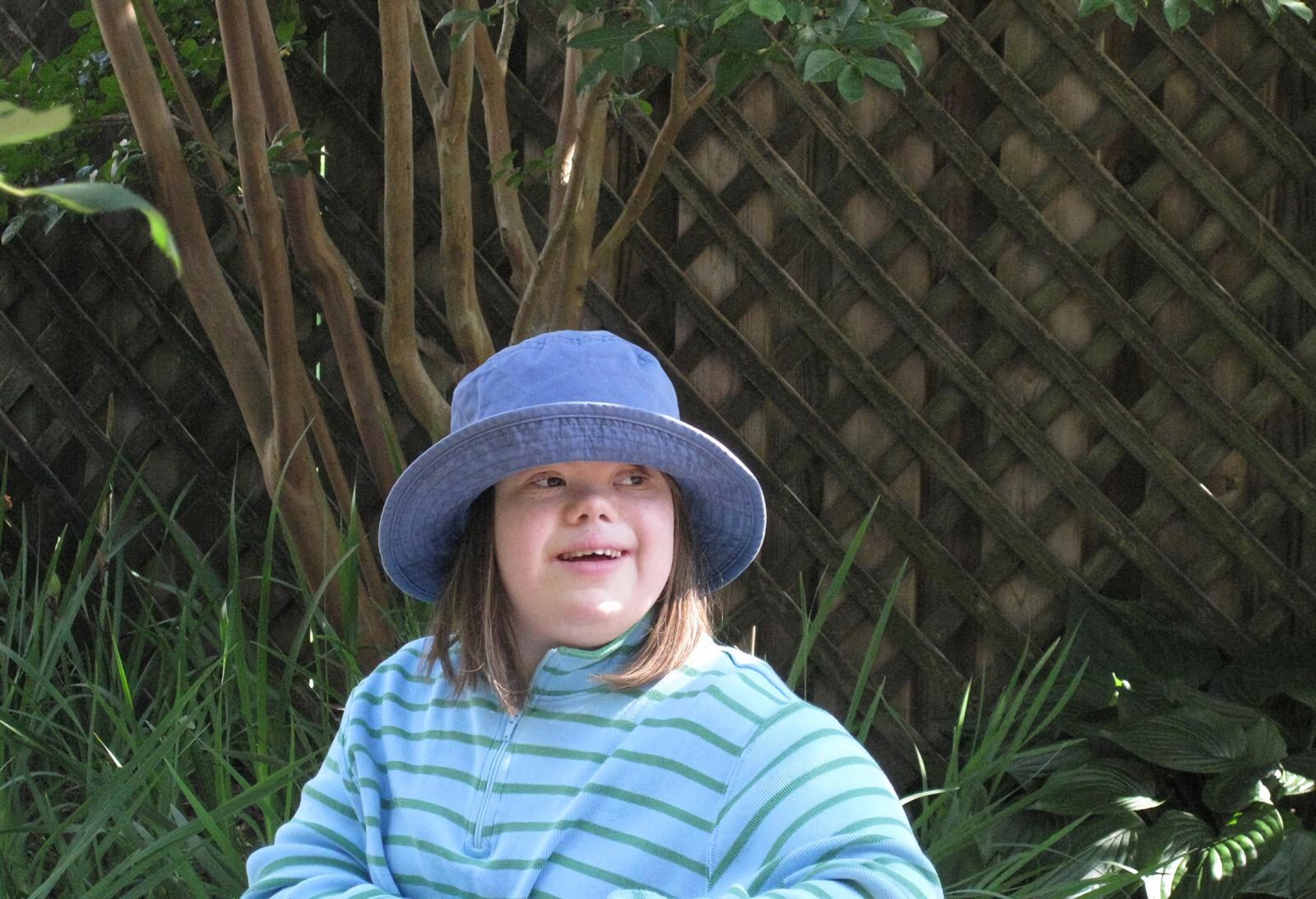
Minutes after Charlotte Woodward was born, doctors told her parents that because she had Down syndrome she would probably never read or write, and would one day work in a sheltered workshop for subminimum wage, apart from her peers. Her mother, a former preschool teacher, ignored them. Writing for The Well by Northwell, Charlotte says her parents raised her like any other child, with absolute love and respect, through four open heart surgeries and a heart transplant.
Wonderful teachers included her in everything her class did, even when therapy took her out of the room. In high school, the director of the school’s separate program, now called Special Education, wanted to place her in it, apart from her peers, without ever meeting her or looking at her achievements; all the director knew was the diagnosis. Charlotte advocated with her family for her right to the general curriculum, won, and graduated with a standard diploma that the separate program would not have given her.
At George Mason University she studied sociology, focusing on inequality and social change, took a reduced course load and used access options from the campus disability services office when she chose. One of her professors told her mother he loved watching other students’ quizzical looks change once they heard Charlotte speak in class. She graduated summa cum laude, and someday hopes to hold a full time job, travel, see a book of hers published and live on her own.
People with Down syndrome succeed when they are given opportunities instead of predictions. Charlotte writes that denying People with Down syndrome those opportunities keeps misconceptions alive. She hopes medical professionals and the public will become allies by learning about ableism and attending events held by disability organizations, and will look past the diagnosis to see people with inherent value and worth. She is proud to have Down syndrome, she writes, and would not change a thing about herself.
We should judge each person by who they are and what they do, never by a diagnosis. We should keep students with Down syndrome in general classrooms with their peers, with the tools they use to learn. Schools and workplaces that expect success from People with Down syndrome would move us toward Vibrant, Diverse, Inclusive, Accessible Communities for People with Disabilities.
Charlotte is the proof.
Read the Full Article: Down Syndrome: What I Wish You Knew.
By: Charlotte Woodward
Learn More
Questions for Reflection
- What did we assume about People with Down syndrome before we knew one well?
- Do the schools in our community place students by diagnosis or by what each student can do?
- How could medical professionals give new parents facts instead of dire predictions?
- What events held by disability organizations could we attend this year?
- How do we show the inherent value and worth of every person we meet?
